



Manufacturing Equipment Types: Production, Assembly, and Operator‑Support Machines
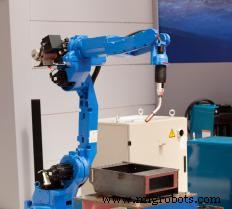
Manufacturing equipment is used in the creation or assembly of a wide range of goods. In general, there are three types of manufacturing equipment: machines that create items, machines that assemble items and machines that aid human operators in creating or assembling items. These machines come in a wide range of styles and configurations because most manufacturing equipment is designed with a very specific purpose in mind.
There are two basic operations that happen during manufacturing. The first one is the creation of a manufactured good. In this case, a raw material is brought into the system where it is molded, melted or whittled into a desired shape and design. In this case, the original material has little in common with the final outcome.
The other operation is assembly. An assembled product is made of a number of premade objects that are simply brought together into a final form. The original pieces are all still in the final product, although it may need to be disassembled to find them all.
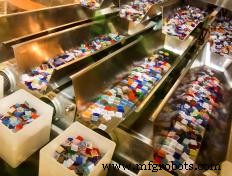
When it comes to creation-based manufacturing equipment, a milling machine is very common. These machines take raw materials such as metal, wood or plastic and form them into final products or parts used in an assembly process. The milling machine has a series of drills, blades and sanders that remove material from the starting object to give it its final form. Some milling machines, mostly smaller ones, work under human control, but a large number of them execute preplanned computer programs.
There are a few other common types of object-creating manufacturing equipment. Molding machines use heat and/or pressure to make materials take on different shapes. Dies and presses also change items' shapes, but they generally do it more through mechanical means. Lathes and planers remove material very quickly from a starting object.
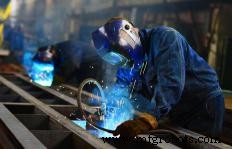
On the assembly side, there is much more direct human interaction. Most of the time, a product moves down a conveyor belt to different assembly stations. At each of these stations, robotic workers, human workers or a piece of equipment will perform a very specific task. These tasks are based solely on the product being assembled.
Assembly-based manufacturing equipment varies from industry to industry, but the spot welding machine is common in many different areas. Spot welding machines are typically robotic welders that create a weld at a specific spot on the worked item. The weld is often between two larger metal pieces, but some of these machines work on smaller items like circuit boards and other electronic equipment.
Industrial equipment
- The Ultimate Guide to Nail Types: Understanding Every Variety
- The Four Core Types of Steel Explained
- Types of Sandblasting Media: Choosing the Right Material for Your Project
- Understanding the Various Roles of Factory Workers
- A Comprehensive Guide to Propane Fittings: Types, Uses, and Safety
- Cereal Crops Explained: Rice, Wheat, and Corn – The Backbone of Global Food Supply
- Exploring the Essential Hand Tools Every Carpenter and DIY Enthusiast Should Know
- Explore the Variety of Irrigation Systems: From Residential Sprinklers to Large-Scale Pivot Irrigators
- Exploring Essential Plumbing Equipment: From Hand Tools to Power Systems
- Explore Heavy Lifting Equipment: Types, Uses & Selection Guide