



Exploring Essential Plumbing Equipment: From Hand Tools to Power Systems
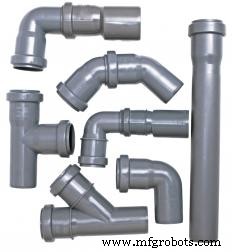
The different types of plumbing equipment include personal hand tools, consumable materials, and power tools and equipment for the shop or workplace. The simplest set of tools that you may have for basic plumbing jobs include an adjustable wrench, fire-resistant cloth, hacksaw, pipe wrench, pliers, plunger, propane torch, and safety glasses. These tools can be used to do basic work, such as unclogging a drain, changing a faucet or soldering two pipes together. More complex plumbing equipment may be required to do more complicated jobs.
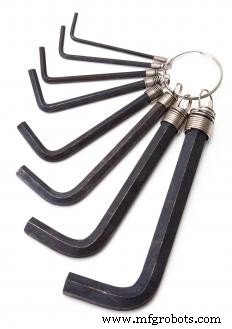
Other plumbing tools that fall into the category of personal hand tools include Allen keys, a ball peen hammer, a caulking gun, chisels made of either cold or wood, a crow bar, and a drywall knife. Other types of hand tools include needle nose pliers, regular, multi tip, and stubby screw drivers, a sledge hammer, a socket set, a trowel, and different kinds of adjustable wrenches. Safety equipment includes safety gloves and earplugs. These different tools are used in a number of ways. For example, a crow bar and drywall knife can both be used to access plumbing behind walls in order to replace old, damaged or clogged pipes.
These personal hand tools are brought with a plumber when he does a specific job. The personal hand tools are plumbing equipment that can be used for job after job. There is no need to replace these items after use, and many of them are not specific to plumbing but are general equipment used in a multitude of construction jobs.
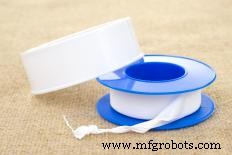
Consumable plumbing equipment, on the other hand, cannot generally be reused for multiple jobs as it is installed or consumed when used. Examples of consumable plumbing equipment include copper strapping, 50/50 solder, flux or soldering paste, plumber’s putty, silicone, Teflon tape, and various nails and screws. Once solder or tape is used to do a job, naturally it is used up and cannot be re-used again.
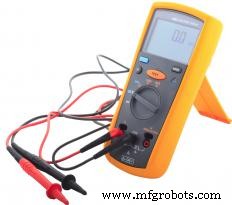
Finally, power tools are an example of the different types of plumbing equipment. These include augers, such as a closet, sewer, drill type, and medium auger. Drills that a plumber may use include a cordless drill with spare batteries and a hammer drill with concrete bits. Other power tools that a plumber may require include an electrical multi-meter, an inspection camera, a metal detector, a pipe freezer and a pipe thawer, reciprocating, jig, and circular saws, and welding and cutting equipment.
Industrial equipment
- The Ultimate Guide to Nail Types: Understanding Every Variety
- The Four Core Types of Steel Explained
- Explore the Top Types of Portable Power Tools for Construction & Manufacturing
- Manufacturing Equipment Types: Production, Assembly, and Operator‑Support Machines
- Explore Metal Engraving Tools: Manual, Mechanical & Custom Options
- Exploring the Essential Hand Tools Every Carpenter and DIY Enthusiast Should Know
- Explore the Different Types of Plumbing Fixtures: A Comprehensive Guide
- Explore the Variety of Irrigation Systems: From Residential Sprinklers to Large-Scale Pivot Irrigators
- Explore Heavy Lifting Equipment: Types, Uses & Selection Guide
- Explore the Essential Types of Irrigation Tools for Efficient Water Management