



Titanium Tubes Explained: 9 Types & Their Industrial Applications
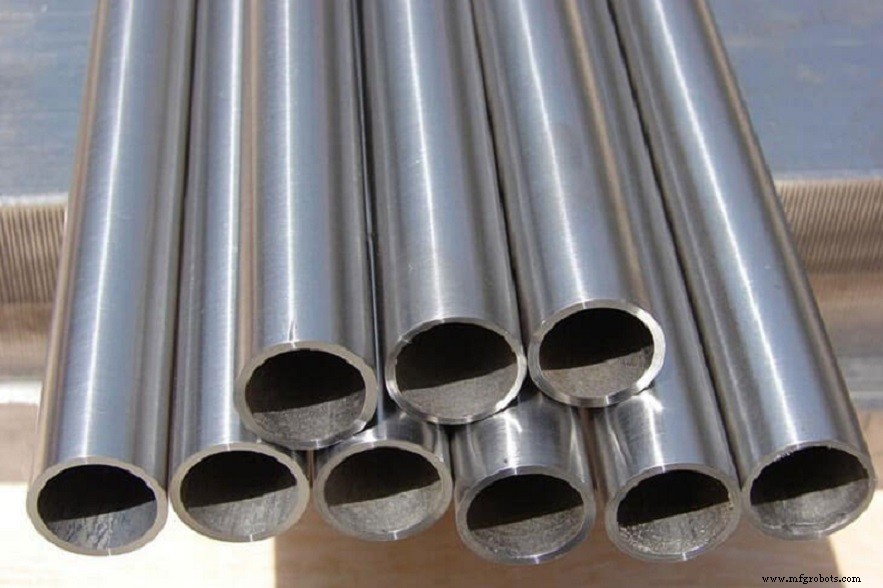
Titanium Tubes Explained: 9 Types & Their Industrial Applications
Titanium tubes combine light weight, high strength, and outstanding corrosion resistance, making them indispensable in heat exchangers, nuclear reactors, and high‑pressure pipelines. Below we outline nine common variants and the environments for which they’re engineered.
1. Welded Titanium Tubes for Low‑Pressure Fluid Transport
These straight‑welded tubes are designed to carry water, gas, air, oil, and steam at low pressures. Seamless joining of titanium strips yields uniform wall thickness and a pristine surface free from impurities.
2. Galvanized Welded Titanium Tubes for Low‑Pressure Fluid Transport
Hot‑dip galvanized welded titanium tubes add a protective coating, ideal for environments where additional corrosion resistance is required while still handling low‑pressure fluids such as water, gas, and heating steam.
3. Carbon‑Tempered Titanium Wire Sleeves
These sleeves are commonly employed in industrial and civil construction to safeguard electrical wiring within HVAC, elevator, and structural steel systems, offering both mechanical protection and corrosion resistance.
4. Titanium Tubes with Longitudinal (Resistance) Welds
Featuring a weld line parallel to the tube’s axis, these tubes—available in metric, thin‑wall, and transformer‑cooling oil grades—are tailored for applications requiring precise weld geometry and enhanced mechanical integrity.
5. Submerged‑Arc‑Welded Titanium Tubes with Spiral Seam for Pressurized Fluids
Manufactured from hot‑rolled titanium strip coil and formed by warm spiral, these tubes are double‑submerged‑arc welded to deliver high pressure capacity and reliability, making them ideal for oil and natural gas pipelines.
6. Spiral‑Seam High‑Frequency‑Welded Titanium Tubes for Pressurized Fluids
Created by room‑temperature spiral forming and high‑frequency lap welding, these tubes combine excellent pressure bearing, good plasticity, and efficient production, making them suitable for large‑diameter pipelines in the energy sector.
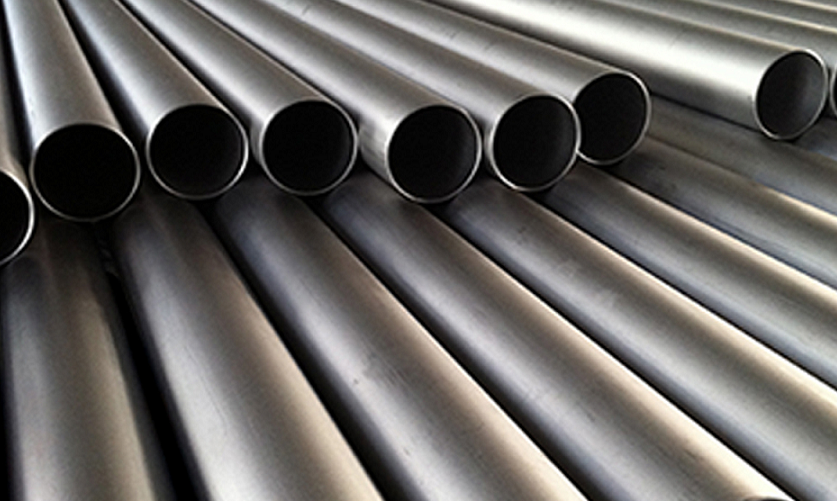
Titanium Tubes
7. Submerged‑Arc‑Welded Titanium Tubes for Low‑Pressure Fluid Transport
Using a double‑ or single‑sided submerged arc welding process on hot‑rolled titanium coil, these tubes are optimized for transporting water, gas, air, and steam at low pressures.
8. High‑Frequency‑Welded Spiral‑Seam Titanium Tubes for Low‑Pressure Fluid Transport
Combining spiral seam formation with high‑frequency lap welding, these tubes provide a cost‑effective solution for low‑pressure applications while maintaining robust mechanical properties.
9. Spiral‑Welded Seam Titanium Tubes for Pile Construction
Produced from hot‑rolled titanium strip, these tubes are double‑sided submerged arc or high‑frequency welded to serve as root piles in civil engineering structures such as docks, bridges, and offshore platforms.
Conclusion
We hope this overview of titanium tube types and their uses proves valuable. For deeper insights into titanium and other refractory metals, visit Advanced Refractory Metals (ARM). ARM, headquartered in Lake Forest, California, is a leading manufacturer and supplier of tungsten, molybdenum, tantalum, rhenium, titanium, zirconium, and more, delivering high‑quality refractory metals at competitive prices.
Metal
- Titanium Alloys Explained: Types, Properties & Key Applications
- 6 Key Applications of Titanium in Modern Industry
- 38 Types of Clamps: Comprehensive Guide & Images
- EOT Cranes: Types, Applications & How They Enhance Lifting Efficiency
- Exploring Measuring Tools: Types, Uses, and Best Practices
- Screwdriver Types & Their Applications: A Comprehensive Guide
- Spanner Types Explained: Choosing the Right Tool for Every Job
- Essential Woodworking Chisels: Types & Their Applications
- Wood Varieties & Their Practical Uses: From Construction to Paper Production
- Understanding the 7 Primary Types of Hydraulic Cylinders and Their Applications