



Choosing the Right Titanium Eyeglass Frame: A Practical Guide
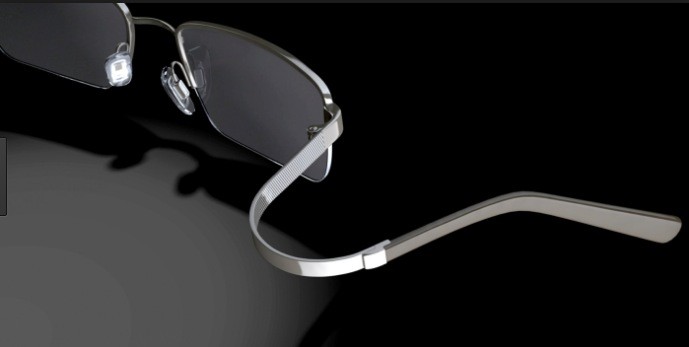
Choosing the Right Titanium Eyeglass Frame: A Practical Guide
Titanium has become the industry‑standard for high‑performance eyewear thanks to its unbeatable combination of strength, corrosion resistance, and lightweight feel. When shopping for titanium glasses, it’s essential to know the difference between pure titanium, titanium alloy, and beta‑titanium frames, as each offers distinct benefits and costs.
Key Properties of Titanium Alloy Frames
Frames crafted from titanium alloy boast a low density, exceptional tensile strength, and outstanding corrosion resistance. They’re lighter than most metal frames, yet they maintain a firm structure that resists bending and skin irritation. However, the intricate manufacturing process introduces trace impurities—hydrogen, oxygen, nitrogen, and carbon—which can affect finish and durability. Consequently, alloy frames are typically more expensive than standard metal frames.
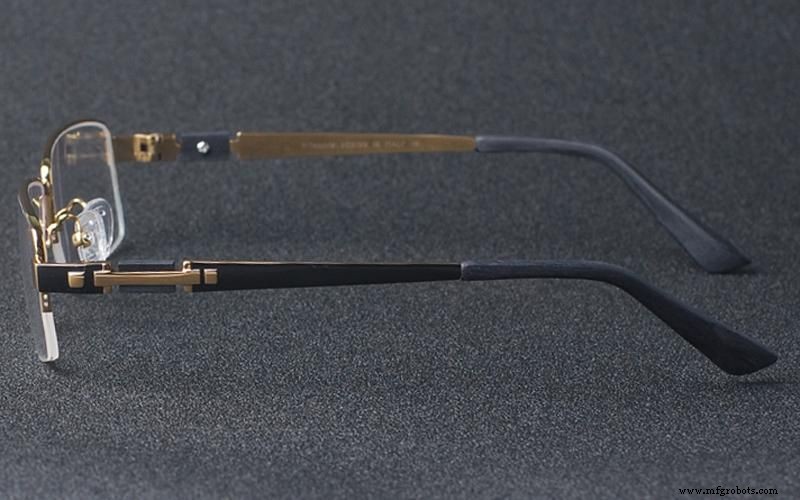
Titanium alloy frame example
Pure Titanium vs. Titanium Alloy
While both materials deliver premium performance, pure titanium frames are noticeably lighter—about half the density of alloy (4.5 g/cm³ vs. 8.9 g/cm³). This weight difference is a quick visual cue when holding a pair in your hand.
Pure titanium frames are typically welded using an oxygen‑free butt‑welding technique, resulting in a characteristic “step” weld mark. In contrast, alloy frames employ a slope‑shaped spot weld. Inspecting the hinge area can also reveal a small spacer in pure titanium models—absent in alloy designs—preventing direct metal contact and reducing joint wear.
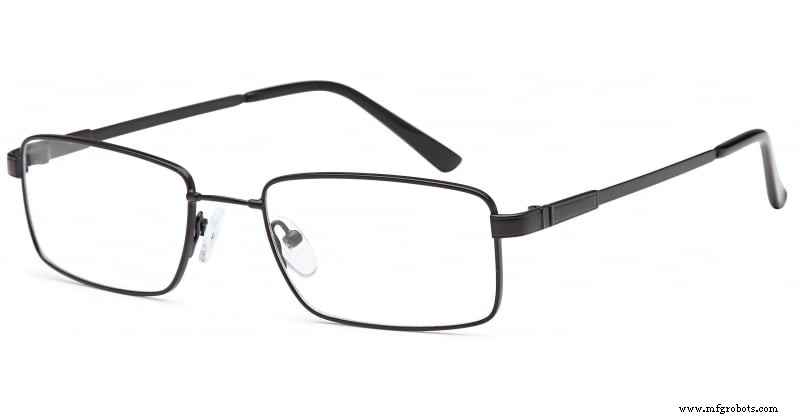
Pure titanium frame detail
How to Spot a Genuine Pure Titanium Frame
With the market flooded by counterfeit and mixed‑material frames, these practical checks help you confirm authenticity:
1. Weight Test
Pure titanium’s lower density means the frame feels noticeably lighter than an alloy counterpart. A quick hand‑hold comparison can reveal the difference.
2. Spacer Inspection
Open the hinge. Genuine pure titanium frames usually feature a tiny spacer between the upper and lower hinges to prevent metal‑to‑metal contact. Look for a subtle groove designed for spacer removal.
3. Welding Mark
Check the weld line: a clean “step” indicates pure titanium, whereas a sloped mark signals alloy construction.
4. Magnetic Test
Apply a magnet to the hinge area. Pure titanium is non‑magnetic, so the frame should remain unaffected. Any movement suggests the presence of ferrous metals.
Why Choose Pure Titanium?
Pure titanium frames offer an unmatched combination of lightweight comfort, hypoallergenic properties, and long‑term durability—making them ideal for professionals, students, and style‑savvy consumers alike.
Trusted Supplier: Advanced Refractory Metals
Advanced Refractory Metals (ARM) is a leading source for high‑quality titanium and other refractory metals. Headquartered in Lake Forest, California, ARM supplies customers worldwide since 1994. For more information, visit https://www.refractorymetal.org.
Metal
- Titanium in Automotive Lightweight Design: Applications & Benefits
- Titanium Today: From Aerospace to Medicine and Beyond
- How to Choose the Right Instrument Knobs for Your Equipment
- Expert Guide to Selecting Durable Marine Lighting
- Choosing Magnetic Hooks: Expert Tips for Homes and Businesses
- How to Choose the Right Strap Hinge for Your Project
- Choosing the Right Cloud Provider: A Performance‑Focused Guide
- How to Select the Optimal Conveyor Structure for Your Industry
- Choosing the Right Hydraulic Pump: Key Factors & Expert Tips
- Choosing the Right Pump for Your Irrigation System: A Practical Guide