



Renewable Energy & Composite Materials: A Synergistic Revolution

Global demand for cleaner power is at an all‑time high, and manufacturers are responding by prioritising innovations that lower cost and increase performance. A pivotal shift is the widespread adoption of composite moulding—an approach that delivers cheaper production, superior durability, and key functional upgrades that give renewable products a competitive edge in the marketplace.
The renewable sector is a major driver for the composite manufacturing industry. Market analysts project that the wind‑turbine composite‑materials market alone will surpass $12 billion by 2023. This parallel growth is no coincidence: composites enable lighter, stronger, and more efficient renewable assets, which in turn fuels demand for high‑performance materials.
Why Composite Materials Matter
Composite materials offer inherent advantages across a broad spectrum of renewable applications—particularly in solar and wind technologies. Their strength-to-weight ratio, chemical resistance, and ease of moulding make them indispensable for modern power solutions.
Solar Panels
Solar‑panel technology has reached a plateau in photo‑electronic cell efficiency, but the industry continues to evolve through design improvements. Plug‑and‑play panels have democratised solar adoption, raising consumer expectations and spurring innovation in structural components.
Traditional panels rely on glass and ethylene tetra‑fluoro‑ethylene (ETFE) underlay. Today, composites are at the forefront of research aimed at reducing cost and enhancing performance. Honeycomb‑structured, lightweight panels—up to 40 % lighter than conventional designs—allow more modules per array and improve light‑capture efficiency. At commercial scale, these prototypes could slash installation costs for end users while boosting overall system output.
Wind Turbines
Wind turbines demand materials that combine strength with minimal weight. A 50‑meter blade can exceed 40,000 lbs; even modest weight reductions translate into lower manufacturing strain and smoother in‑service dynamics. Carbon‑fiber and glass‑reinforced composites deliver that lighter weight without compromising blade integrity.
The United States has added 96,433 MW of wind capacity over the past decade, underscoring the growing need for new turbines and retrofit blades for units that have operated 6–10 years. Continuous innovation in composite technology will be critical to sustaining this growth and meeting the megawatt demands of the future.
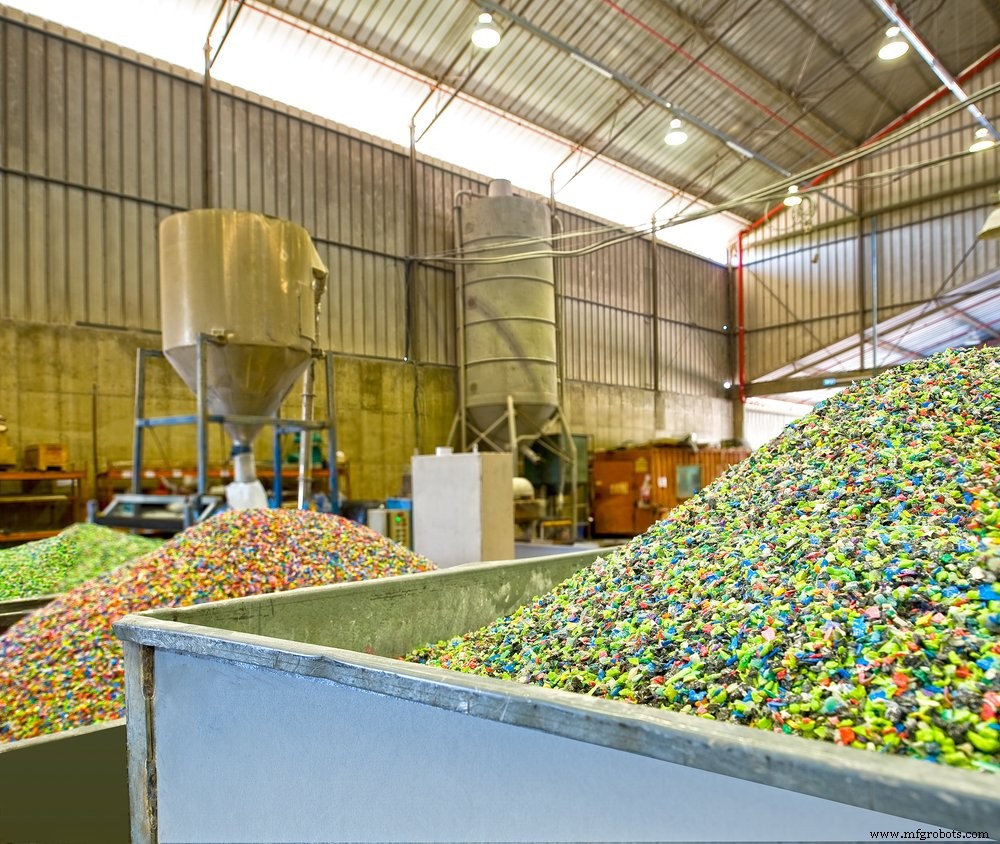
Composite Materials: The Next Frontier for Renewables
As renewable penetration accelerates, the composite market will follow suit. Each breakthrough in solar and wind technology unlocks new opportunities for next‑generation materials, creating a virtuous cycle of demand and innovation.
While many sectors stand to benefit from composites, the renewable industry is uniquely positioned to harness their full potential. By embracing advanced composites, manufacturers can push the boundaries of efficiency, reduce lifecycle costs, and deliver cleaner energy faster. Contact Mar‑Bal today to explore how composite solutions can elevate your renewable portfolio.
Composite material
- Eco-Friendly Composite Materials: Sustainable Solutions for a Greener Future
- Is Your Manufacturing Plant Energy Efficient? Boost Profit by Optimizing Energy Use
- Data & Materials: Twin Pillars of Modern Manufacturing Success
- How 3‑D Modeling Enhances Inventory & Materials Management Efficiency
- Kraibon Elastomers: Enhancing Adhesion & Composite Performance Across Industries
- Three Key Reasons High‑Tech Composites Outperform Traditional Materials
- Composite Materials Explained: Definition, Types, and Applications
- Beyond Metal: Advancing Production with Innovative Nonmetallic Materials
- SIGRATHERM® ePCM Composite Materials: High-Density Thermal Energy Storage
- Aluminum Alloys: The Ultimate Choice for Automotive, Aerospace, and Beyond