



Injection Molding Leads the Charge in Composite Manufacturing—3D Printing Close on the Horizon
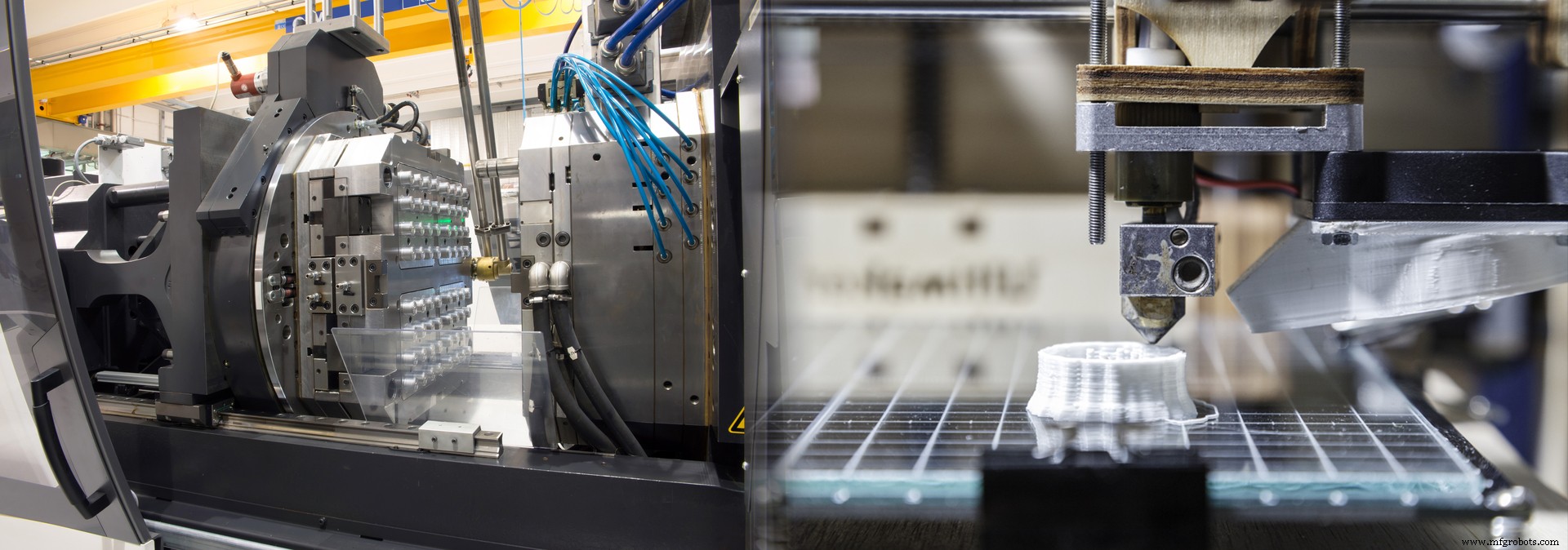
Thermoset composites are shaping the modern manufacturing landscape, permeating industries from automotive to marine and expanding their market share week after week. Central to this evolution are the production methods that bring these advanced materials to life—chiefly injection molding and 3D printing. While injection molding has long been the workhorse, 3D printing is rapidly closing the gap, especially for low‑volume, high‑complexity parts.
Injection Molding in 2020
Injection molding has been a cornerstone of composite production since the 1870s. Today, breakthroughs in tooling and process control are unlocking unprecedented efficiency. Modern molds now accommodate more cavities per tool, and all‑electric presses are delivering higher throughput with lower energy consumption. In the coming year, industry leaders anticipate further gains in cycle speed, part quality, and predictive maintenance, translating to reduced machine downtime and lower production costs.
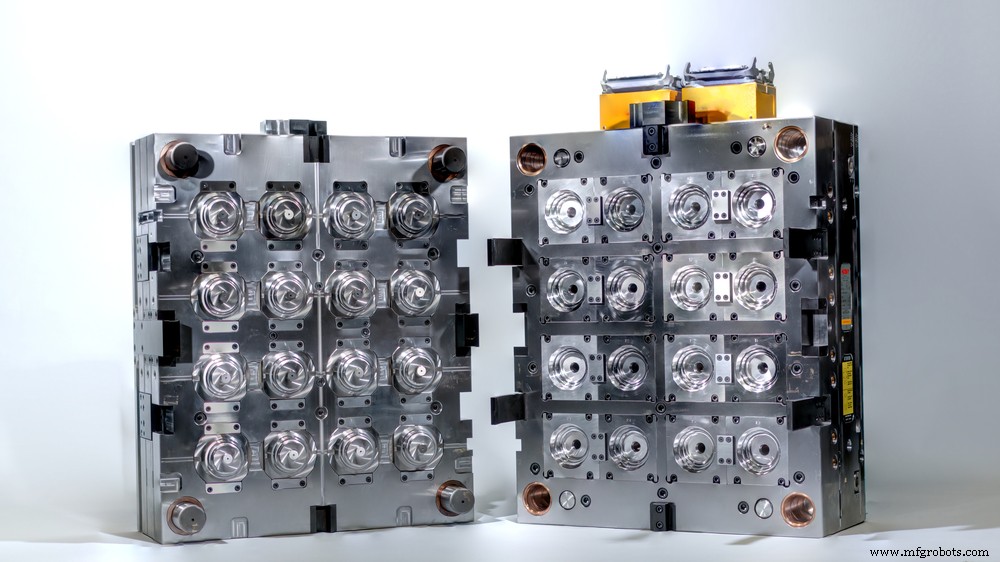
Key enablers include redesigned clamps and screws, stack‑mold configurations, and advanced composite pre‑heating systems that shorten cycle times. Sophisticated process‑control software now monitors temperature, pressure, and resin flow in real time, ensuring consistent part quality and facilitating rapid troubleshooting.
These hardware, software, material, and skills upgrades converge to strengthen injection molding’s role across automotive, infrastructure, electrical, marine, and industrial sectors.
The Emerging Role of 3D Printing
Although historically slower to gain traction, additive manufacturing is gaining momentum—especially when paired with thermoset composites. 3D printing excels at producing small runs and geometrically complex tooling that would be impractical for conventional methods. At Mar‑Bal, we leverage this capability for rapid prototyping and bespoke part development.
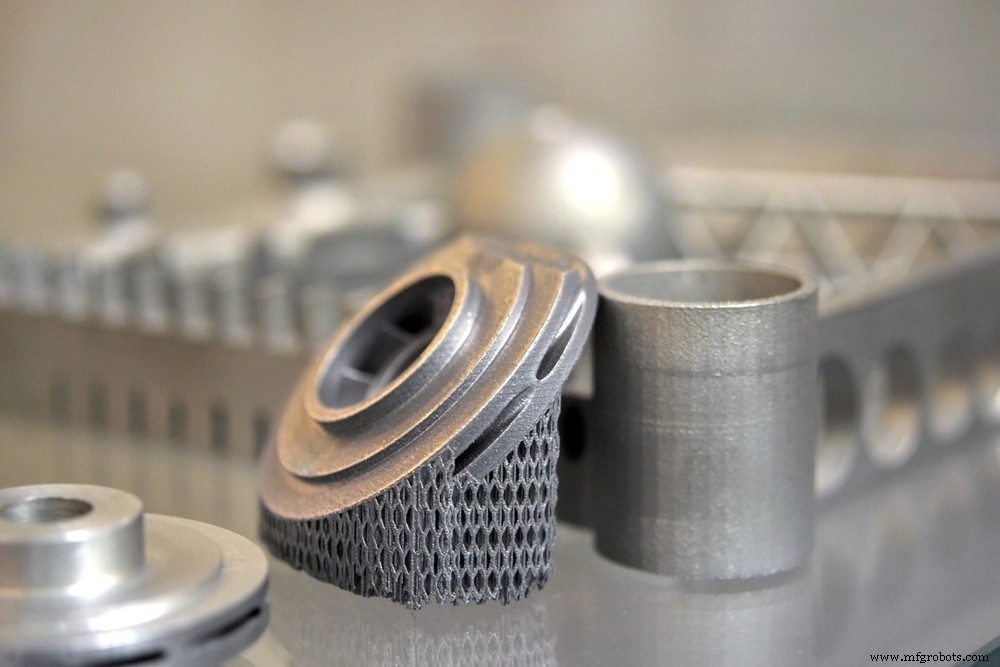
Electrical manufacturing is one of the fastest growing adopters of 3D printing, driven by the need for customizable standoff insulators and other specialty components. The same advantage extends to automotive, consumer goods, marine, and agriculture, where iterative design cycles demand flexibility and speed.
Future advancements will focus on expanding build volumes, reducing material waste, and integrating hybrid processes that combine the best of additive and subtractive techniques.
Plastics Dominance Meets Growing Demand
As injection molding and 3D printing mature, the trade‑offs of cost, volume, speed, and design complexity will continue to shift in favor of the most efficient solution for a given application. In an era where plastics and composites dominate, having access to both production pathways empowers manufacturers to tailor their approach and stay competitive.
We harness both technologies to deliver best‑in‑class results for our clients. Reach out through our website to discover how our one‑source model can add value to your production strategy.
Composite material
- Can 3D Printing Replace Injection Molding? An Expert Analysis
- How 3D Printing Is Transforming Manufacturing, Healthcare, Aerospace, and Education
- How 3D Printing is Transforming Modern Manufacturing
- Manufacturing Leads IoT Adoption with Real-Time Innovation
- Unlocking Innovation: The Key Advantages of 3D Printing in Modern Manufacturing
- Aluminum Injection Molding: Efficient, Cost‑Saving Production of Complex Parts
- Choosing Between 3D Printing and Injection Molding: Which Method Delivers Best Value?
- How 3D Printing Will Transform Manufacturing in the Next Decade
- How 3D Printing is Revolutionizing Modern Manufacturing
- Robotics Transforming Injection Molding: Enhanced Precision & Productivity