



Understanding Textile Dyes and the Dyeing Process
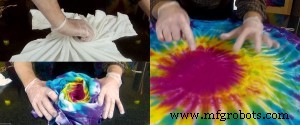
Color is a universal language that shapes our surroundings—from the paint on a wall to the hue of a garment. In textiles, color is more than decoration; it’s an integral part of our daily experience and a powerful expression of identity.
What Is Dyeing?
Dyeing is the controlled application of colorants—natural or synthetic—to fibers, yarns, or fabrics. The practice dates back thousands of years, beginning with simple techniques such as rubbing crushed pigments or pressing plant materials onto cloth. Over time, methods evolved into sophisticated processes that now allow dyeing at any stage of textile production, from raw fiber to finished apparel.
What Are Dyes?
In textiles, dyes are chemical or natural substances that disperse, react, or are absorbed by fibers to impart color. Their performance depends on factors such as light fastness, resistance to alkalis, washing, and perspiration. Dyes also differ in their affinity for specific fiber types, solubility, and the application method required.
Basic (Cationic) Dyes
Basic dyes, or cationic dyes, are derived from organic bases. They are typically insoluble in water but become soluble when dissolved in alcohol or other solvents. In dyeing, basic dyes are applied in acidic conditions and are most effective on fibers that can accept cationic charges, such as wool, silk, and certain synthetic blends.
Direct Dyes
Direct dyes are anionic colorants that bind directly to cellulose fibers—cotton, linen, and rayon—without the need for a mordant or dyeing aid. They are applied in alkaline or neutral baths, often containing electrolytes like sodium sulfate or chloride. Direct dyes produce vibrant colors but may exhibit limited wash fastness. Specialized aftertreatment processes can enhance their durability.
Direct Black 22
Direct Black 22 is a widely used dye for blended fabrics such as wool/nylon and rayon/cotton blends, as well as viscose. It is also applied in paper and leather finishing. The dyeing process involves adding a concentrated sodium hydroxide solution to achieve a dark blue–light red hue, followed by the addition of solid hydrochloric acid to precipitate a brown–light black pigment.
Dye
- Molybdenum Rods: Types, Applications, and Care
- Cobalt Alloys: Composition, Key Properties, and Industrial Applications
- Naphthol Dyeing: Application Techniques and Quality Control Checklist
- Kevlar Demystified: Composition, Applications, and Benefits
- Applications and Properties of Manganese Steel: A Comprehensive Overview
- Red vs. Yellow Brass: Composition, Uses, and Key Differences
- Understanding Resistance Welding: Types, Processes, and Industrial Applications
- Connected Manufacturing: What It Is & Its Key Benefits
- Sandblasting: Key Benefits for Surface Preparation and Metal Fabrication
- Exploring the Four Core Types of Manufacturing Processes