



Azoic Dyeing: Unlocking Vibrant, Wash‑Fast Colors for Cotton
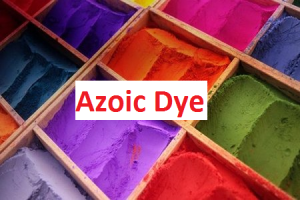
Cotton remains the world’s preferred natural fiber, prized for its softness and breathability. It is used in its native state or transformed into derivatives such as modal, viscose, or blended with synthetics. While reactive and vat dyes dominate cotton coloration, a critical niche is occupied by napthol and azoic bases, which deliver vivid, deep shades and provide excellent wash, light, and bleach fastness, as well as cost advantages.
Uniqueness of Azoic Dyeing
Azoic dyeing stands apart because the insoluble dye molecules are generated in situ within the fiber. The process starts with a napthol that reacts with a diazotized salt or base at low temperature, producing highly pigmented colors—yellow, orange, scarlet, and red—that cannot be achieved with other dye families.
In this system, napthols serve as the “Azoic coupling components,” while fast color bases act as the “Azoic diazo components” that must be diazotized. Precise weighing of reagents and strict adherence to supplier protocols are essential for successful diazotization.
Overview of the Dyeing Process
1. Dissolve the napthol component.
2. Apply the solution to the cellulosic fiber, allowing absorption.
3. Remove excess napthol via partial hydroextraction or pressing.
4. Diazotize the fast color base.
5. Coupling occurs when the diazonium ion solution reacts with the fiber‑bound napthol.
6. Neutralize to eliminate surface pigments, then rinse and dry.
Fast Color Bases and Fast Color Salts
Using napthol fast bases is cost‑effective compared to reactive dyes. They are indispensable for producing wax and African prints, which cannot be achieved with other dye classes. Diazotization of fast color bases involves dispersion with sodium nitrite at temperatures below room temperature.
Fast color salts are also paired with napthols for dyeing and printing. Their water‑soluble nature allows metal stabilization, eliminating the need for hydrochloric acid or sodium nitrate. Consequently, they are easier to handle than fast color bases.
Sourcing from Reputed Dealers
The Indian textile sector has earned global recognition by meeting market demands across diverse products and technologies. Coloration plays a pivotal role, driving significant value creation. Within the dyestuff market, leading manufacturers and reputable dealers supply only the highest‑quality dyes, pigments, and auxiliaries. Procuring from these trusted partners is therefore essential.
Dye
- Understanding Textile Dyes and the Dyeing Process
- Azoic Dyeing: Unlocking Vibrant, Wash‑Fast Colors for Cotton
- Expert Guide to Overcoming Direct Dyeing Challenges in Textiles
- Cutting-Edge Water‑Less Dyeing Technologies: Boost Sustainability & Reduce Waste in Textiles
- Sustainable Dyeing Innovations: Advancing Eco‑Friendly Textile Practices
- The Art and Science of Dyeing Wool: Techniques, Dyes, and Best Practices
- Air Dyeing: A Sustainable Revolution in Textile Dyeing
- Mastering Fresh Indigo Leaf Dyeing: A Sustainable Approach
- The Real Speed of 3D Printing: From Minutes to Hours
- How Quickly Can a 3D Printer Produce Parts? Understanding Print Speed Factors