



Textile Dyes: Their Environmental Impact & Sustainable Alternatives
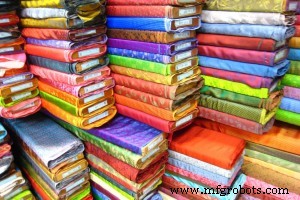
Textiles are the canvas of our daily life, and the brilliant hues that adorn them owe their existence to textile dyes. These dyes chemically bond with fibers, ensuring that color endures through countless washes and wears.
Origins of Textile Dyes
Today, the textile industry utilizes thousands of distinct dyes, each optimized for specific fiber types. While natural dyes—derived from plants, minerals, and insects—were the original palette, the industrial revolution ushered in synthetic dyes that offer superior colorfastness, consistency, and cost‑efficiency. Consequently, natural dyes are now a niche choice, reserved for specialty and eco‑conscious markets.
Water Usage and Pollution
Manufacturing and applying synthetic dyes is water intensive. An estimated 75–90% of the water used in textile dyeing is released back into the environment, often without adequate treatment. This untreated effluent can overwhelm local waterways, disrupting ecosystems and contaminating drinking supplies.
Impact on Aquatic Life and Human Health
When dye effluents enter rivers and lakes, they interfere with photosynthesis by blocking sunlight and depleting dissolved oxygen. Many dyes contain persistent antimicrobial agents and heavy metals such as chromium and cobalt, which can bioaccumulate in aquatic organisms and pose health risks to humans who rely on these water sources.
Moving Toward Sustainable Practices
Industry leaders are increasingly prioritizing environmental stewardship. Innovations include biodegradable dyes, fiber‑reactive dyes that form covalent bonds with fibers, and the substitution of toxic metals with iron. Effective wastewater treatment—biological degradation, thermal incineration, and adsorption onto solid matrices—is being refined to reduce pollutant loads. Ongoing research promises even more efficient processes, such as membrane filtration and advanced oxidation.
Given the indispensable role of dyes in fashion, upholstery, and industrial applications, it is the collective responsibility of dye manufacturers—especially those producing reactive dyes and phthalocyanine pigments—to adopt greener technologies and uphold the principles of sustainability.
Dye
- The Complete Guide to Textile Dyes: Types, Applications, and Choosing the Right Manufacturer
- Pigments & Dyes: The Driving Force Behind Paint and Textile Innovation
- Understanding Basic and Direct Dyes: Their Impact on Cellulosic Fibers
- Why Standardizing Dyestuffs is Essential for the Global Textile Industry
- Air Dyeing: A Sustainable Revolution in Textile Dyeing
- Textile Dyes: The Invisible Power Behind Modern Fashion
- Innovations in Textile Dyeing: Modern Dyes & Their Applications
- Five Data-Driven Actions That Drive Climate Impact
- Black Carbon: A Critical Climate Driver and Its Environmental Impacts
- How Palletizing Robots Boost Production Efficiency and Drive Revenue Growth