



Pigments & Dyes: The Driving Force Behind Paint and Textile Innovation
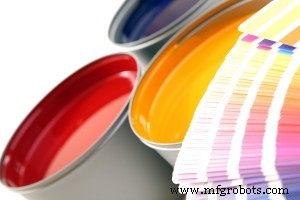
Colorants—both pigments and dyes—are the unsung heroes that bring vibrancy and durability to countless products worldwide. Their application ranges from protective coatings to fashion textiles, making them indispensable across diverse industries.
In the paint sector, pigments are the cornerstone of every formulation. The production process begins with blending the pigment into a suitable carrier. Following this, the pigment particles are finely ground in a sand mill to achieve the optimal particle size and dispersion. The mixture is then thinned, and tinting is applied to achieve the desired hue. These pigments not only provide a wide spectrum of colors but also contribute to opacity, UV protection, and, in some cases, metallic finishes. The result is a coating that resists humidity, heat, and wear, extending the lifespan of buildings, vehicles, and everyday objects.
The textile industry also heavily relies on colorants, but it differentiates between dyes and pigments based on solubility. Dyes are water‑soluble and can penetrate fabric fibers, whereas pigments are insoluble and sit on the surface. Dyes are classified into several types—acid, basic, direct, vat, reactive—each with specific chemical properties and application methods. For instance, acid dyes such as Acid Red 88 and Alizarine Pure Blue B are commonly used for protein fibers, while reactive dyes like Cibacron F and Procion MX bond chemically to cellulose, offering excellent wash fastness.
Specialized dye categories further extend color applications. Food dyes, for example, meet stricter safety standards and may include vat, direct, or mordant dyes. Other niche dyes serve leather, wood lacquers, laser applications, and medical imaging contrast agents, each tailored to unique material interactions.
Regardless of type, pigments and dyes consistently deliver brighter, more resilient products that captivate consumers and meet rigorous international standards. Manufacturers—whether producing basic dyes or premium specialty colors—strive for precision and consistency to stay competitive in a global market.
Dye
- The Complete Guide to Textile Dyes: Types, Applications, and Choosing the Right Manufacturer
- Sustainable Dyes & Pigments: Transforming Printing, Cosmetics, and Manufacturing for a Greener Future
- Textile Dyes: Their Environmental Impact & Sustainable Alternatives
- Overview of Paints and Pigments: Composition, Types, and Environmental Impact
- Understanding Dyes & Pigments: Origins, Applications, and Impact
- Dyes vs. Pigments: Key Differences, Benefits, and the Rise of Nano Colorants
- Eco‑Friendly Anti‑Corrosive Pigments: Enhancing Paint Durability & Sustainability
- How Pigments Power Paints: A Deep Dive into Color, Protection, and Industrial Applications
- Innovations in Textile Dyeing: Modern Dyes & Their Applications
- Pigments: The Driving Force Behind the Textile Industry’s Growth