



How Pigments Power Paints: A Deep Dive into Color, Protection, and Industrial Applications
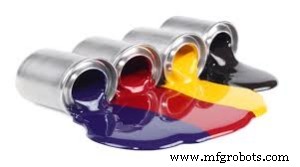
Paints have been used since antiquity, but it was only in the 19th century that they entered mainstream commerce. Today, paint serves not only to beautify but also to protect—whether on residential walls, automotive bodies, underground storage tanks, road markings, or maritime vessels.
The heart of every paint is its pigment, the substance that imparts color while simultaneously strengthening the coating. Pigments are integral to commercial, industrial, and decorative finishes, and they come in four broad families:
- Earth‑Colour Pigments – sourced from natural minerals, these inorganic pigments are renowned for their weather resistance, lightfastness, and chemical stability. Classic examples include umber, ochre, Swedish red, and bole.
- Mineral Pigments – synthetic inorganic dyes such as chrome‑oxide green, titanium dioxide, ultramarine blue, iron‑oxide yellow, and nickel‑titanium yellow provide vibrant, durable hues.
- Plant‑Colour Pigments – derived from organic plant sources, these natural dyes include saffron, indigo, alizarin red, reseda, and woad.
- Synthetic Pigments – modern industrial dyes like phthalocyanine, azo, and dioxazine offer a wide spectrum of colors with high performance.
Beyond color, pigments contribute to the paint’s structural integrity and resistance to weathering and corrosion. Special formulations are engineered for specific tasks, such as metallic finishes on cars or long‑lasting road markings. The paint itself is a complex blend of pigment, binder, and solvent. The binder anchors the pigment to the substrate, while the solvent—often referred to as a thinner—disperses the binder, additives, and pigment into a workable medium. Precise proportions ensure a smooth, continuous, and aesthetically pleasing coat.
In industrial sectors ranging from aerospace to automotive to architectural design, paint formulations must meet stringent performance criteria—including durability, opacity, and ease of application. Paint technologists develop these specifications, and paint technicians bring them to life on the production line. Manufacturing typically involves ball or pebble mills, vertical and horizontal bead mills, and high‑speed stirrers, all geared toward delivering premium quality coatings.
Whether you’re a hobbyist or a seasoned professional, understanding the science behind pigments and paint can unlock new possibilities for color, protection, and performance.
Dye
- Why Phthalocyanine Pigments Matter: Their Role in Paints, Plastics, and Beyond
- Essential Pigment Qualities for High‑Performance Paints
- Sustainable Dyes & Pigments: Transforming Printing, Cosmetics, and Manufacturing for a Greener Future
- Overview of Paints and Pigments: Composition, Types, and Environmental Impact
- Premium Colouring Solutions from Trusted Manufacturers
- Eco‑Friendly Anti‑Corrosive Pigments: Enhancing Paint Durability & Sustainability
- Industrial Dyes & Pigments: A Comprehensive Guide to Applications & Types
- Organic vs. Inorganic Pigments: Definitions, Differences, and Key Applications
- Colorants in Paints, Inks & Plastics: Their Functions and Modern Uses
- Sandblasting + Painting vs. Painting Alone: Which Is Better for Metal Finishes?