



The Art and Science of Dyeing Wool: Techniques, Dyes, and Best Practices
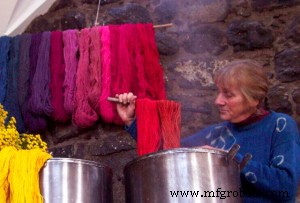
Wool‑fabric garments, carpets, and rugs are celebrated especially during colder months and as fashion statements. They appear in a spectrum of quality and hue, all vividly coloured and patterned. But when does wool actually acquire its colour?
Natural wool is naturally neutral and must be dyed to achieve a range of hues. Dyeing or bleaching can occur at several stages—commonly after washing or before spinning into yarn. Wool dyed at the yarn stage is called yarn‑dyed; wool dyed immediately after washing is termed stock‑dyed. While plant‑based dyes can produce natural hues, commercial dyeing relies on chemical dyes, which are anionic in nature. The dye uptake is governed primarily by the bath pH and the temperature rise rate. A successful dyeing or bleaching operation delivers uniform color, correct shade, durable fastness, minimal cost, and low environmental impact.
Wool accepts a variety of dyes that produce colour‑fast finishes from soft pastels to intense brights. The industry standard is acid dyes, which require very hot water to achieve uniform penetration. Acid dyes are cost‑effective, produce fast wash results, and deliver the best performance on wool. The final hue depends on dye concentration, bath temperature, immersion time, and fabric length. While direct dyes can be used on wool, they typically yield less vivid colors and poorer wash fastness. Direct dyes are traditionally reserved for cellulose fibers and do not require mordants. Reactive dyes, originally designed for cellulose, are now also applied to wool, nylon, silk, acrylic, and their blends, offering versatile color options.
Yarn dyeing is performed either in hank form or in package form, with hank dyeing being the preferred method. In this process, wool yarns are hung on a rung and submerged in a large dye bath. Bulk dyeing in this way ensures maximum color penetration.
Wool can also be dyed at the loose‑fiber stage. Scoured wool bales are weighed, then opened near the dyeing machine, and manually immersed into the dye vessel. To ensure even loading, fibers may be wetted before packing.
Stylish wool garments, showcased on fashion runways alongside leather boots in matching shades, owe their vibrant colors to acid, direct, and leather dyes.
Dye
- Steel Wool: History, Production, and Safety Insights
- Wool: History, Production, and Global Impact
- Understanding Textile Dyes and the Dyeing Process
- Azoic Dyeing: Unlocking Vibrant, Wash‑Fast Colors for Cotton
- Expert Guide to Overcoming Direct Dyeing Challenges in Textiles
- Cutting-Edge Water‑Less Dyeing Technologies: Boost Sustainability & Reduce Waste in Textiles
- Sustainable Dyeing Innovations: Advancing Eco‑Friendly Textile Practices
- Air Dyeing: A Sustainable Revolution in Textile Dyeing
- Professional Nylon Part Dyeing with Markforged: Step‑by‑Step Guide
- Mastering Fresh Indigo Leaf Dyeing: A Sustainable Approach