



How Glow‑in‑the‑Dark Pigments Work: Science, Applications & Practical Tips
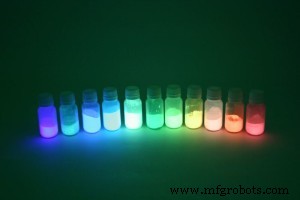
Ever wonder why certain fabrics, ceiling decals, or toy stickers glow in the dark? The answer lies in a simple, well‑understood scientific principle: phosphorescence. By incorporating special pigment powders—known as phosphors—into a material, manufacturers can create objects that absorb light, store energy, and then release it slowly as visible light when darkness falls.
Phosphors differ from ordinary organic pigments because they can store energy after being exposed to light and gradually release it as faint illumination. This process, called after‑glow, is most commonly achieved with strontium aluminate‑based pigments, which offer the brightest and longest lasting glow among commercial formulations.
These pigments are versatile and can be blended with various carriers—paints, inks, textile dyes, and even food‑grade colorants—to produce a wide range of glowing products. Some key applications include:
Canvas and mural art – Artists add phosphorescent pigments to acrylics or watercolors for night‑time effects.
Epoxy and resin crafts – Glow in the dark effects are popular in jewelry, keychains, and decorative resin items.
Costumes and props – From Halloween masks to stage costumes, phosphors give a subtle, eerie shine.
Sportswear and outdoor gear – Running shirts, hiking hats, and backpacks feature glow‑in‑the‑dark yarn for safety and visibility.
Home décor – Ceiling decals, wall murals, and bed linens can glow after a brief light exposure.
Safety and signage – Exit signs, road markings, and emergency equipment often incorporate phosphorescent coatings.
Toys and games – Glow‑in‑the‑dark cars, fishing lures, and educational kits delight children.
Paints and coatings – Automotive, architectural, and decorative paints can be formulated to glow, offering creative and functional finishes.
In textiles, the process begins with standard reactive or disperse dyes applied to natural fibers such as cotton, wool, linen, and silk. After dyeing, a phosphor additive is incorporated into the yarn or thread. The resulting fabric retains its glow through multiple wash cycles and light exposure, although direct high‑heat ironing should be avoided to preserve the phosphorescent layer. Wearers can enjoy glow‑in‑the‑dark shirts, pajamas, and blankets that brighten after a brief sunlight or LED exposure.
Glow‑in‑the‑dark paints are engineered by mixing phosphorescent pigments with conventional binders. The result is a paint that can emit a range of colors—from luminous green to bright blue, deep red, and even yellow‑green—depending on the pigment blend. These paints are favored for automotive night‑time accents, children's room décor, and promotional signage.
Nature offers its own examples of phosphorescence through bioluminescence. Creatures such as jellyfish, fireflies, and certain deep‑sea organisms generate light via chemical reactions, inspiring the design of synthetic phosphors and giving us a glimpse into the elegant physics that governs both biology and material science.
In short, glow‑in‑the‑dark pigments transform ordinary objects into functional, eye‑catching pieces that shine after the lights go out. By understanding the chemistry behind phosphorescence, designers, manufacturers, and hobbyists can harness this fascinating effect for a wide array of creative and practical applications.
Dye
- Zirconium Metal: The Industrial Powerhouse
- Why Phthalocyanine Pigments Matter: Their Role in Paints, Plastics, and Beyond
- Phthalocyanine Pigments: Applications, Industries, and Why Quality Matters
- Essential Pigment Qualities for High‑Performance Paints
- Choosing the Right Pigments for Ink Production: A Professional Guide
- Dyes & Pigments in the Paper & Pulp Industry: Trends, Selection Criteria, and Best Practices
- How Pigment Powders Revolutionize Plastic Coloration: From Ancient Earth Hues to Modern Eco‑Friendly Options
- Organic Pigments: Safer, Sustainable Colorants for Food & Packaging
- Mastering Pigment Dispersion: The Science Behind Superior Color Performance
- Unlocking Reliability: How Condition‑Based Maintenance Drives Predictive Success