



Dyes & Pigments in the Paper & Pulp Industry: Trends, Selection Criteria, and Best Practices
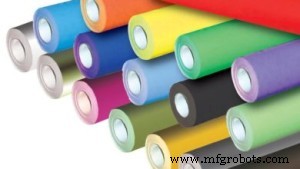
Dyes in the Paper Industry
The paper and pulp sector relies on a range of dyes—chiefly cationic direct dyes, sulphur dyes, and the well‑known direct black 22—to impart color to specialty papers such as copier stock, facial tissue, envelopes, cover stock, corrugated cases, and specialty grades.
Basic and acid dyes also play a role, but the planar structure, high positive charge, and extensive conjugation of direct dyes make them particularly effective for paper dyeing.
Criteria for Dye Selection
Choosing the right dye requires a balance of key attributes:
- High affinity for paper fibers
- Excellent light and bleed fastness
- Stability to humidity and temperature changes
- Regulatory compliance and safe handling
- Desired shade, depth, and minimal impact on other paper properties
- Clear backwaters for high‑quality finishes
Pigments in the Paper Industry
Pigments are equally critical. The industry uses three main classes:
- Standard pigment dispersions—offering a broad spectrum of shades
- Fluorescent pigment dispersions—providing vibrant, mixable colors
- Specialty pigment coatings—non‑metallic pigments tailored to specific latex binder systems (unsuitable for beater dyeing)
Considerations for Pigment Selection
Brightness control is achieved by manipulating pigment absorption across the visible spectrum. For a less bright paper, pigments that absorb yellow and red wavelengths are chosen to reduce the brightening effect. To increase brightness, blue and violet pigments, often paired with optical brighteners, are employed.
Current Trends
Modern dyeing technology favors specialty, improved direct and basic dyes over traditional basic dyes. New processes—press or continuous dyeing—reduce waste and enhance color consistency. Environmental demands drive the adoption of biodegradable dyes and formulations free of heavy metals and amines, with Ecological and Toxicological Association (ETAD) certification becoming standard.
Conclusion
Dyes and pigments together shape the visual quality of paper and pulp products. Sourcing these materials from reputable manufacturers and dealers is essential to achieving consistent color perfection.
Dye
- How Technology Is Transforming Manufacturing: From 3D Printing to Digital Twins
- Direct Dyes: Essential Colorants in the Textile and Chemical Industries
- Eco‑Friendly Anti‑Corrosive Pigments: Enhancing Paint Durability & Sustainability
- Textile Dyes: The Invisible Power Behind Modern Fashion
- Pigments in the Paper & Pulp Industry: Types, Uses, and Applications
- How Plastic Materials Are Revolutionizing Modern Construction
- Eliminate Foaming in Pulp & Paper Production with Advanced Defoaming Agents
- The Benefits of Augmented Reality in Industry 4.0
- How Sensors Power Modern Automobiles: Key Roles and Impact
- Leveraging Robot Automation for Efficiency in the Paper Industry