



Pigments: The Cornerstone of Cosmetic Formulation
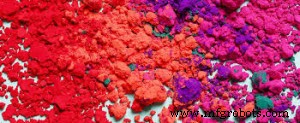
In the world of beauty, pigments are the invisible artists that bring color to makeup. These finely ground powders are indispensable ingredients in a wide range of cosmetic products, from subtle blushes to bold eyeliners. By selecting the right pigment, formulators can achieve the desired hue, finish, and performance while meeting stringent safety standards.
Eye‑makeup frequently relies on pigment blue, green, yellow, and orange for vibrant shades, while pigment red is often used to accent cheekbones. Both matte and shimmery finishes are available, allowing consumers to tailor their look.
Pigments in cosmetics fall into two primary categories: inorganic and organic. Inorganic pigments—such as iron oxides, chromium oxide, titanium dioxide, and ultramarines—are prized for their excellent opacity, solvent resistance, and, in the case of titanium dioxide, UV‑blocking properties. Ultramarines deliver the metallic blues common in eye shadows, while chromium oxide provides the lush greens found in many shades.
Iron oxides, available in yellow, red, and other bright tones, are favored in daytime formulations. Their wide color range and stability make them a staple for daily wear products.
Organic pigments differ in solubility, allowing them to dissolve in a variety of cosmetic bases. Key families include Xanthenes, Azo colorants, Triarylmethanes, and Anthraquinones. Azo dyes supply vivid reds and yellows, Triarylmethanes give soothing blues and greens, Xanthenes create bright oranges, and Anthraquinones provide natural green hues.
Formulating with pigments is a meticulous process governed by FDA regulations. Every color additive must meet criteria for approval, certification, identity, and permissible concentration. Synthetic or petroleum‑derived pigments typically require batch certification, whereas natural pigments from plant, mineral, or animal sources are exempt from certification but must still comply with labeling and usage restrictions. Failure to adhere to these rules can result in a product being deemed adulterated.
By sourcing high‑quality pigments and following regulatory guidelines, cosmetic manufacturers can deliver safe, vibrant, and compliant products that resonate with consumers.
Dye
- Why Phthalocyanine Pigments Matter: Their Role in Paints, Plastics, and Beyond
- Dyes & Pigments in the Paper & Pulp Industry: Trends, Selection Criteria, and Best Practices
- Eco‑Friendly Anti‑Corrosive Pigments: Enhancing Paint Durability & Sustainability
- Pigments: The Cornerstone of Cosmetic Formulation
- Colorants in Paints, Inks & Plastics: Their Functions and Modern Uses
- Pigments: Types, Properties, and Applications
- Pigments in the Paper & Pulp Industry: Types, Uses, and Applications
- Key Pigments in the Rubber Industry: Enhancing Performance and Durability
- Pigments: The Driving Force Behind the Textile Industry’s Growth
- Copper in Industry: Production, Alloys, and Key Uses