



Choosing the Right Pigments for Ink Production: A Professional Guide
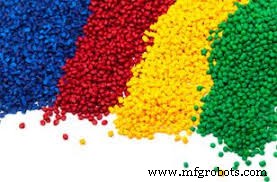
In ink manufacturing, pigment selection is the linchpin that determines color, durability, and performance. Understanding the spectrum of pigments—water‑based, solvent‑based, inorganic, and organic—helps manufacturers and consumers alike choose inks that meet specific functional and aesthetic requirements.
Water‑Based Inks and Pigments
Water‑based inks dominate commercial printing, especially in office copiers and inkjet printers. These inks rely on pigments that remain stable in aqueous media, ensuring high‑resolution images with appropriate gloss, tint, and transparency. Leading pigment suppliers, such as established blue pigment manufacturers, produce dyes that provide vivid hues while maintaining fast drying times and resistance to fading.
Solvent‑Based Inks
For flexible packaging and high‑impact advertising materials, solvent‑based inks are preferred. Pigments sourced from reputable phthalocyanine pigment manufacturers offer excellent adhesion to plastics, vinyl, and other non‑porous substrates, delivering vibrant, long‑lasting colors that withstand outdoor exposure.
Inorganic vs. Organic Pigments
Pigments are also categorized by their chemical nature. Organic pigments—often produced by synthetic organic chemistry—provide a wide palette of colors suitable for textiles and coatings. In contrast, inorganic pigments, such as metal‑based chromates (e.g., lemon chrome, medium chrome, scarlet chrome), are prized for industrial applications, including protective coatings on pipes and structural components where corrosion resistance is critical.
In summary, the pigment choice is the cornerstone of ink quality. Partnering with a reputable pigment manufacturer—whether they specialize in organic or inorganic, water‑based or solvent‑based solutions—ensures consistent performance and superior end products.
Dye
- The Ultimate Guide to Nail Types: Understanding Every Variety
- The Four Core Types of Steel Explained
- Organic Pigments: Safer, Sustainable Colorants for Food & Packaging
- How the Internet of Things Is Reshaping Businesses: A Dual Perspective
- Understanding the Four Essential Welding Positions
- A Comprehensive Guide to Tube Bending Techniques
- Types of Maintenance Workers: Roles, Responsibilities, and Collar Color Explained
- Types of Sandblasting Media: Choosing the Right Material for Your Project
- Top Quality Control Techniques for Ensuring Product Excellence
- Understanding the Various Types of Prototyping: A Guide for Founders