



How Dyes Work: Types, Applications, and Fastness Explained
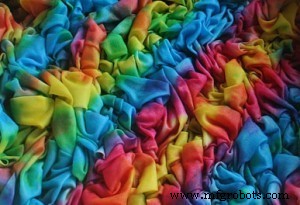
In the world of color, a dye is more than just pigment—it is a carefully formulated compound that imparts hue to a wide range of absorbent surfaces. By dissolving the dye in a suitable solvent, the colorant penetrates fibers, paper, leather, and even plastics, delivering vivid, long‑lasting tones. The selection of a dye type, solvent, and application method is crucial for achieving the desired fastness and visual impact.
Basic Dyes
Basic dyes are produced by neutralizing an acid‑derived dye salt with a base. Because they are typically insoluble in water, the dye is first dissolved in alcohol or acetic acid, then diluted with water to create a workable bath. Temperature control is essential—excessive heat can degrade the dye’s structure. These dyes are prized for their bright, saturated hues and are commonly used to color leather, paper, and ribbon products.
Solvent Dyes
As the name implies, solvent dyes are formulated for use with non‑aqueous media such as alcohols, ketones, and ethers. Their solubility in these organic solvents makes them ideal for high‑performance applications where water is unsuitable. They are the go‑to choice in printing inks, automotive lubricants, polishes, and the manufacturing of colored plastics and composite materials. The versatility of solvent dyes has made them indispensable across multiple industrial sectors.
Direct Dyes
Direct dyes are engineered to bind directly to the fiber without the need for a carrier or solvent. They are applied by simply immersing the fabric in a water‑based dye bath, making the process straightforward and environmentally friendly. The fastness of direct dyes—resistance to washing, light, and abrasion—often surpasses that of other dye families. They are widely employed on natural fibers such as cotton, wool, and silk, as well as on synthetic textiles like nylon.
Choosing the right dye and sourcing it from a reputable manufacturer are essential steps to ensure consistent quality, regulatory compliance, and superior performance in your end product.
Dye
- Plate Clamps: Design, Function, and Benefits for Heavy‑Duty Lifting
- Thrust Bearings Explained: Types, Functionality, and Selection Guide
- Flat Springs Explained: Design, Function, and Selection Guide
- Adjustable Glides: What They Are, How They Work, and Their Benefits
- Understanding Grommets: Types, Uses, and How They Protect Your Gear
- Locking Washers Explained: Types, Functions, and Why They Matter
- How Acid Dyes Work and Their Key Applications
- Coaching Cards: A Proven Tool for Sustaining Change Management Success
- Eddy Current Brakes Explained: How They Work & Where They're Used
- Understanding Potentiometer Circuits: Functionality, Applications, and Key Insights