



How Acid Dyes Work and Their Key Applications
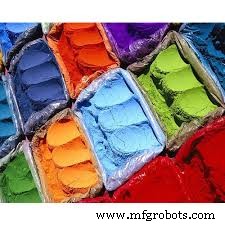
What Are Acid Dyes?
Acid dyes are anionic pigments that dissolve readily in water, thanks to their sulfonic acid groups typically present as sodium sulfonate salts. This structural feature imparts a strong negative charge, enhancing both solubility and adhesion to fibers. Compared with simple basic dyes, acid dyes offer superior light fastness and are especially effective on protein-based textiles such as silk, wool, modified acrylics, and nylon.
Classification by Dyeing Behavior
Based on pH tolerance, migration tendency, and wash fastness, acid dyes fall into four main categories:
- Leveling dyes – Provide even color distribution during dyeing.
- Fast acid dyes – Maintain color integrity under harsh conditions.
- Milling acid dyes – Designed to withstand the alkaline miling process used in wool felting.
- Super milling acid dyes – Offer exceptional resistance to miling, preventing color bleeding.
In the miling process, wool is treated with a mild alkaline solution while being mechanically worked to promote felting. Dyes that resist miling are essential to preserve color fidelity.
Key Properties of Acid Dyes
- Strongly anionic, ensuring excellent solubility in aqueous baths.
- Ideal for silk, wool, modified acrylics, and polyamide fibers.
- Effective across a pH range from strong acid to neutral.
- Negligible affinity for cotton cellulose, making them unsuitable for cellulosic fibers.
- Bond with fibers via hydrogen bonds, van der Waals forces, or ionic linkages.
Color Range
- Acid Yellow
- Acid Orange
- Acid Violet
- Acid Red
- Acid Blue
- Acid Green
- Acid Brown
- Acid Black
Applications Across Industries
Acid dyes find use in a variety of sectors:
- Textiles – Widely used for dyeing silk, wool, and synthetic fibers.
- Fertilizers and leather finishing.
- Detergents and metal anodization processes.
- Coolants for automotive engines.
- Wool dyeing, where ionic or salt linkages between dye and fiber are crucial.
- Silk dyeing, typically conducted at low temperatures (≈40 °C) to preserve fiber integrity.
These versatile dyes combine performance, durability, and safety, making them indispensable in modern textile manufacturing and beyond.
Dye
- Lifting Magnets Explained: How They Work & Why They're Essential for Industrial Safety
- How Rack and Pinion Presses Operate: A Practical Guide
- Cam Locks Explained: How They Secure Cabinets Discreetly
- What Are Eye Screws? A Professional Guide to Their Design and Uses
- Understanding Grommets: Types, Uses, and How They Protect Your Gear
- How Dyes Work: Types, Applications, and Fastness Explained
- One‑Bath Acid Dyes: A Natural Approach to Textile Coloration
- How Brushless DC Motors and ESCs Operate – A Technical Overview
- Eddy Current Brakes Explained: How They Work & Where They're Used
- How Pick-and-Place Robots Operate: Enhancing Efficiency in Manufacturing