



One‑Bath Acid Dyes: A Natural Approach to Textile Coloration
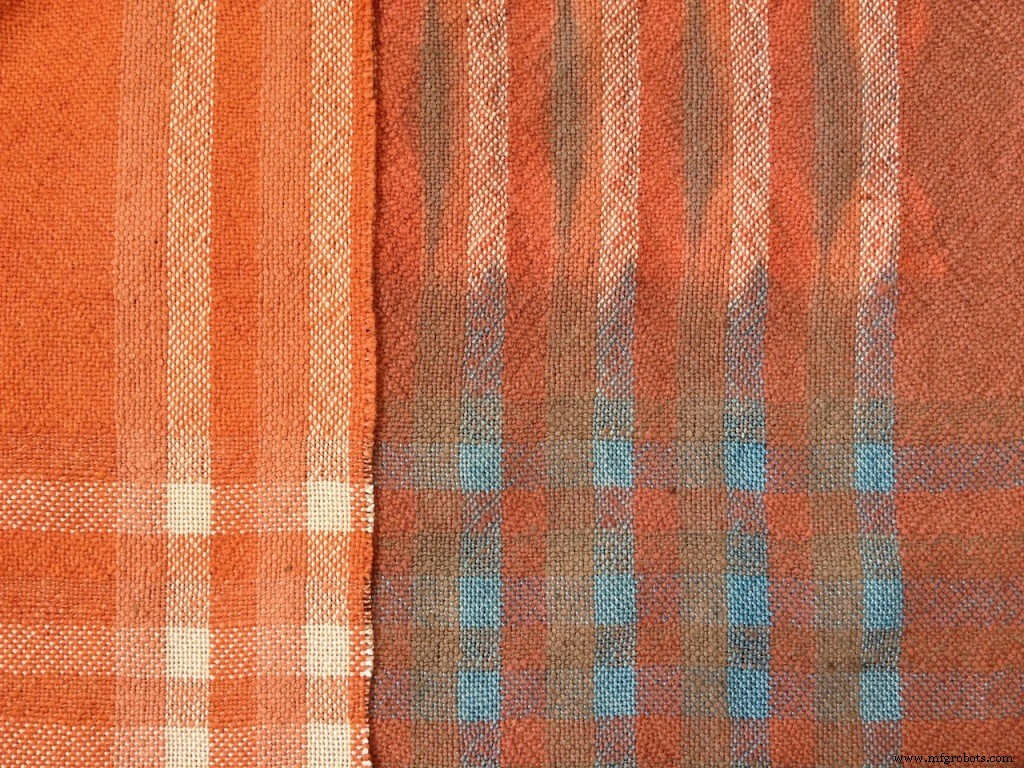
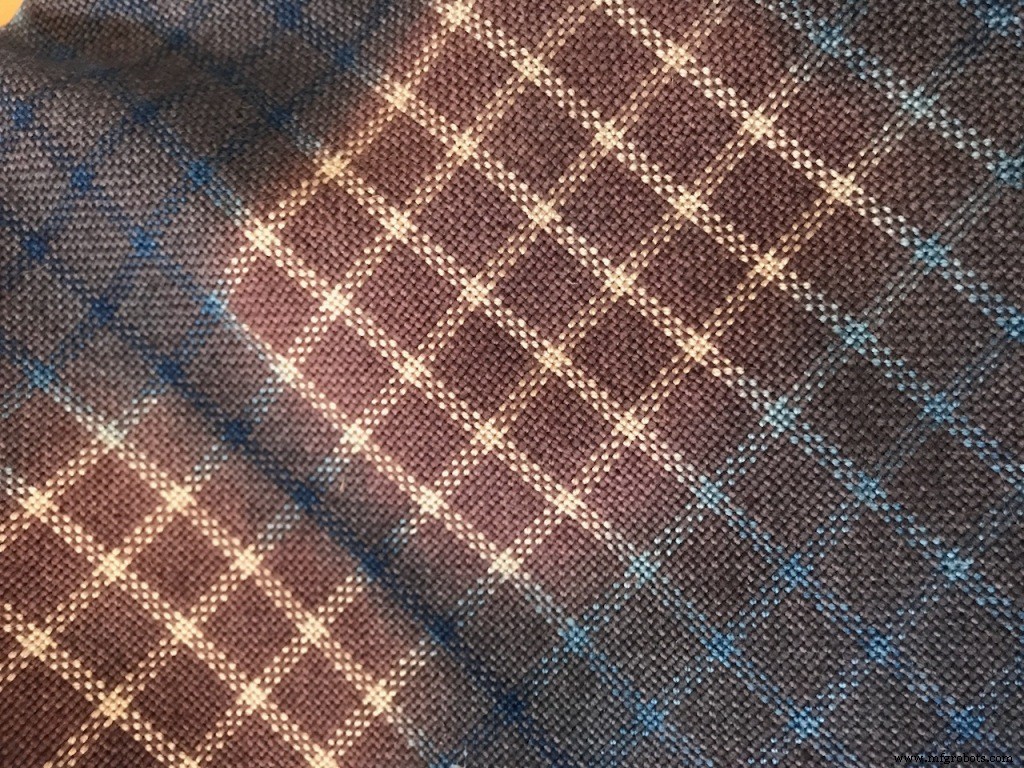
I have extensively used one‑bath acid dyes in my own work, especially for cross‑dying hand‑woven fabrics that combine cotton and wool. Acid dyes bind exclusively to protein fibers such as wool, while indigo can color both cellulose and protein fibers, enabling striking combinations.
What Are One‑Bath Acid Dyes?
The dyes discussed in The Art and Science of Natural Dyes include henna, madder, pomegranate, cochineal, lac, and rhubarb root. Since publishing that book, I have expanded the palette with additional dyes, largely thanks to Michel Garcia’s guidance during his visits to my studio.
Lightfastness and Dye Extraction
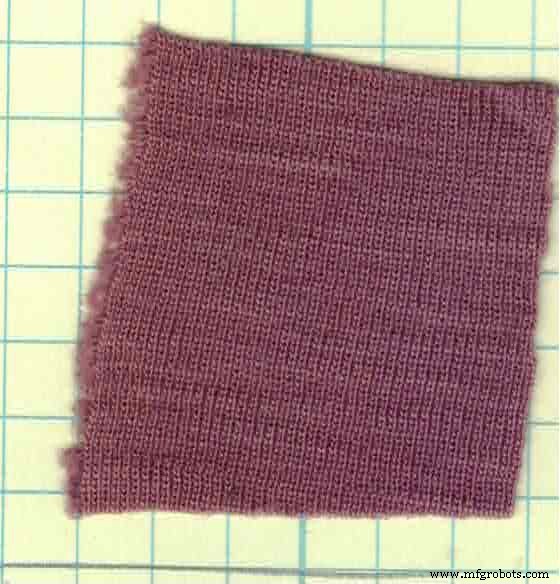
When I experimented with alkanet—normally a poor choice due to its lightfastness—treating it as a one‑bath acid dye produced a beautiful, warm purplish‑brown hue that is surprisingly fast to light. This result illustrates how the one‑bath process extracts different compounds than traditional multi‑step methods.
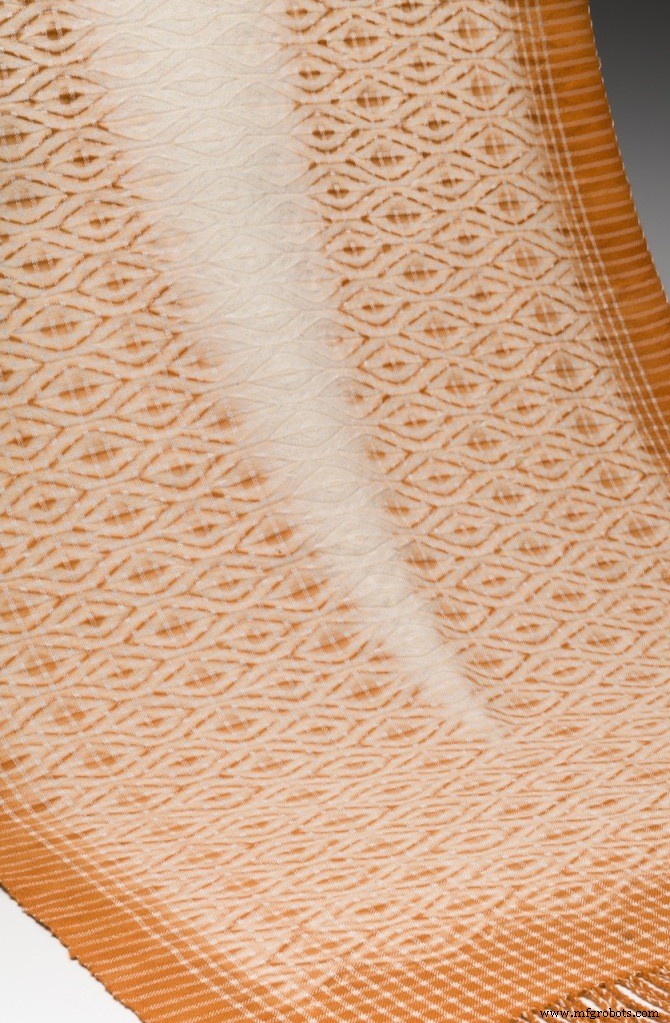
Safflower petals, another plant source, can also serve as a one‑bath acid dye. They impart a golden yellow to wool or silk that is lightfast and requires no mordant. While the same petals can yield reds and pinks by adjusting pH, those colors remain less lightfast.
From Hair Dye to Textile Tattoo
Many plant dyes used in one‑bath acid processes—henna, madder, alkanet, dock, rhubarb root, and cassia leaves—are also common natural hair dyes. They share a similar application: finely ground plant material mixed into a paste with water, acidified with lemon juice, and left to sit. When the paste is washed off, the color remains. These are non‑permanent dyes for skin and hair and can be reapplied as the shade fades.
Although acid dyes are lightfast, they are not as resistant to washing. This limitation is less problematic for wool or silk textiles, which are not washed as aggressively as hair or skin.
Direct Application to Woolen Fabrics
Moroccan tradition documents the use of finely ground henna leaf applied directly to wool‑cotton fabrics. In my experiments, I mixed each dye into a paste using finely ground plant material and a small amount of water, acidified with vinegar (citric acid would damage cotton fibers), and applied it to the textile. After an overnight soak, the colors were strong and clear. While they are slightly less saturated than heated bath dyes, steaming the textiles afterward deepens the hues.
Freshness and quality of the dye matter: organic henna yielded a bright, clear color, whereas other henna powders produced duller tones.
Gallery of One‑Bath Dye Results
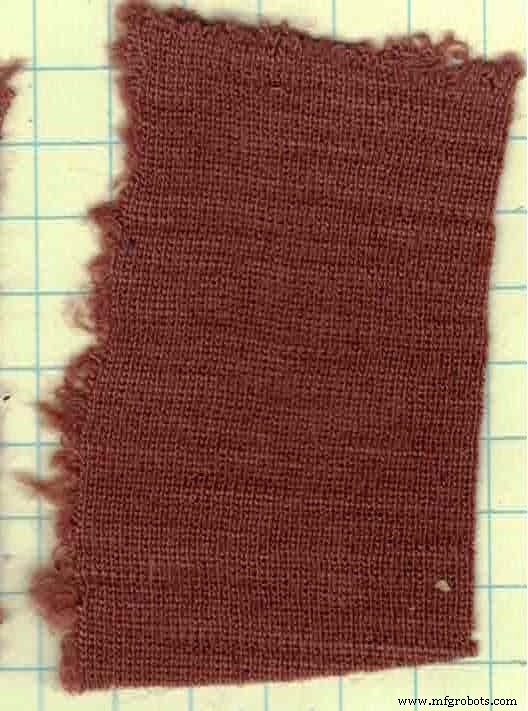
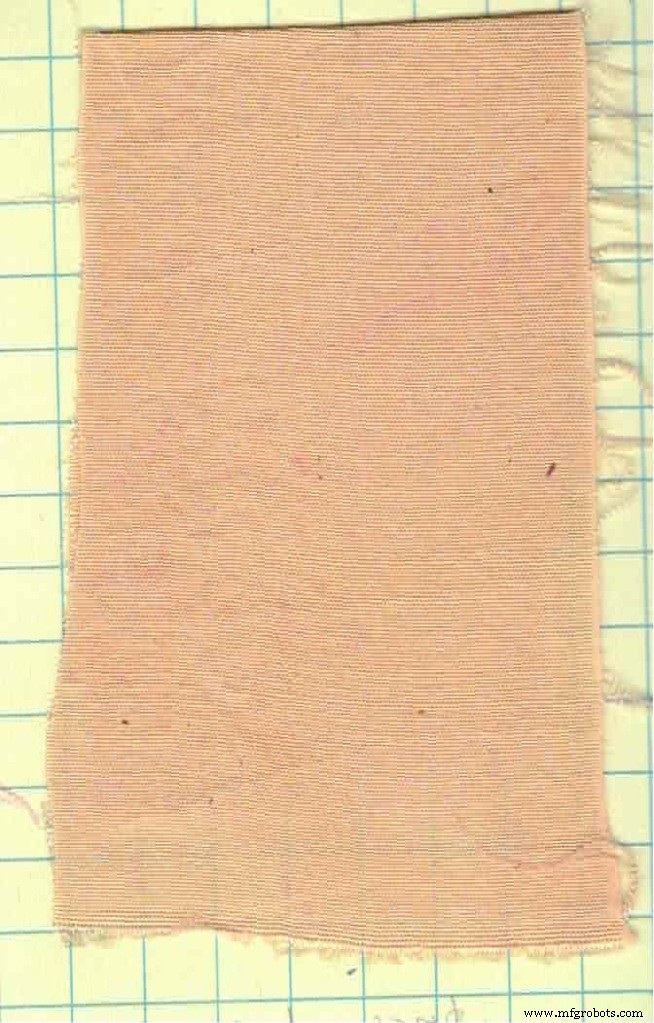
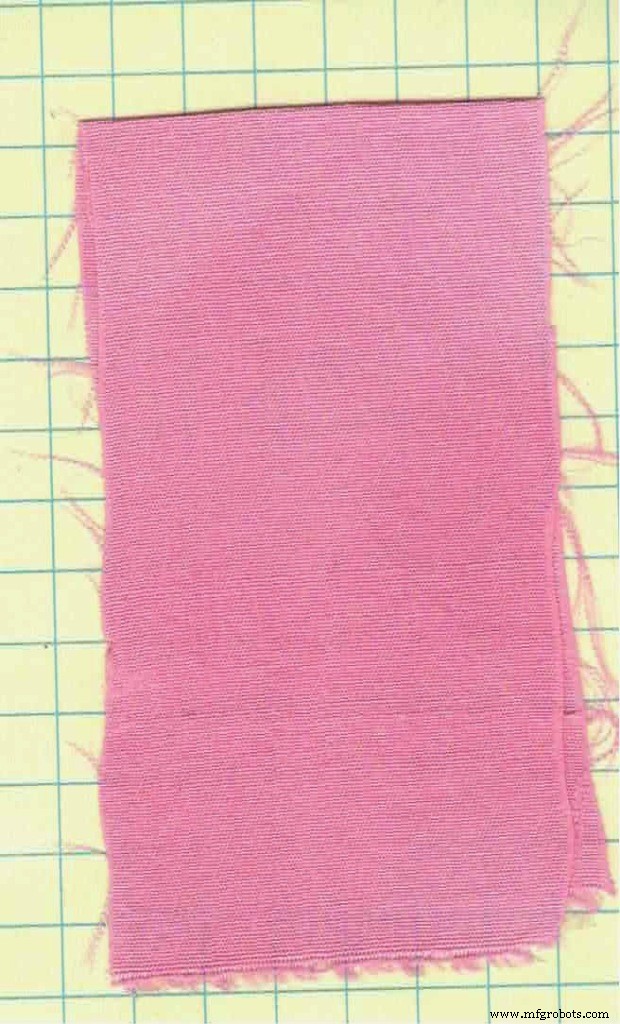
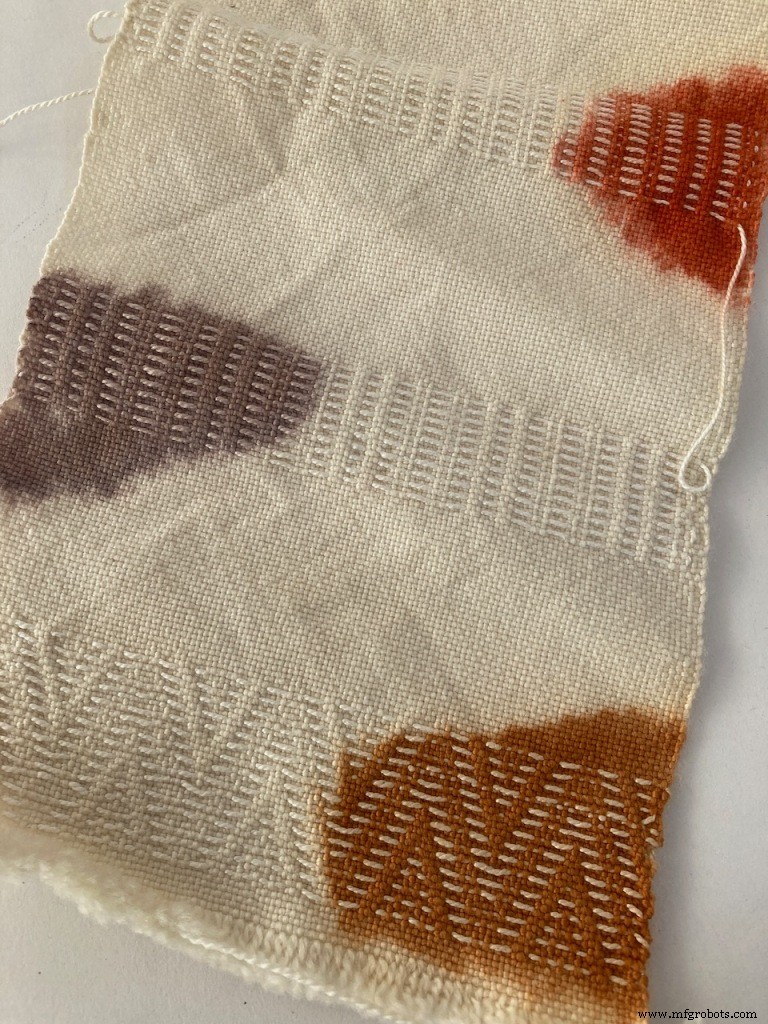
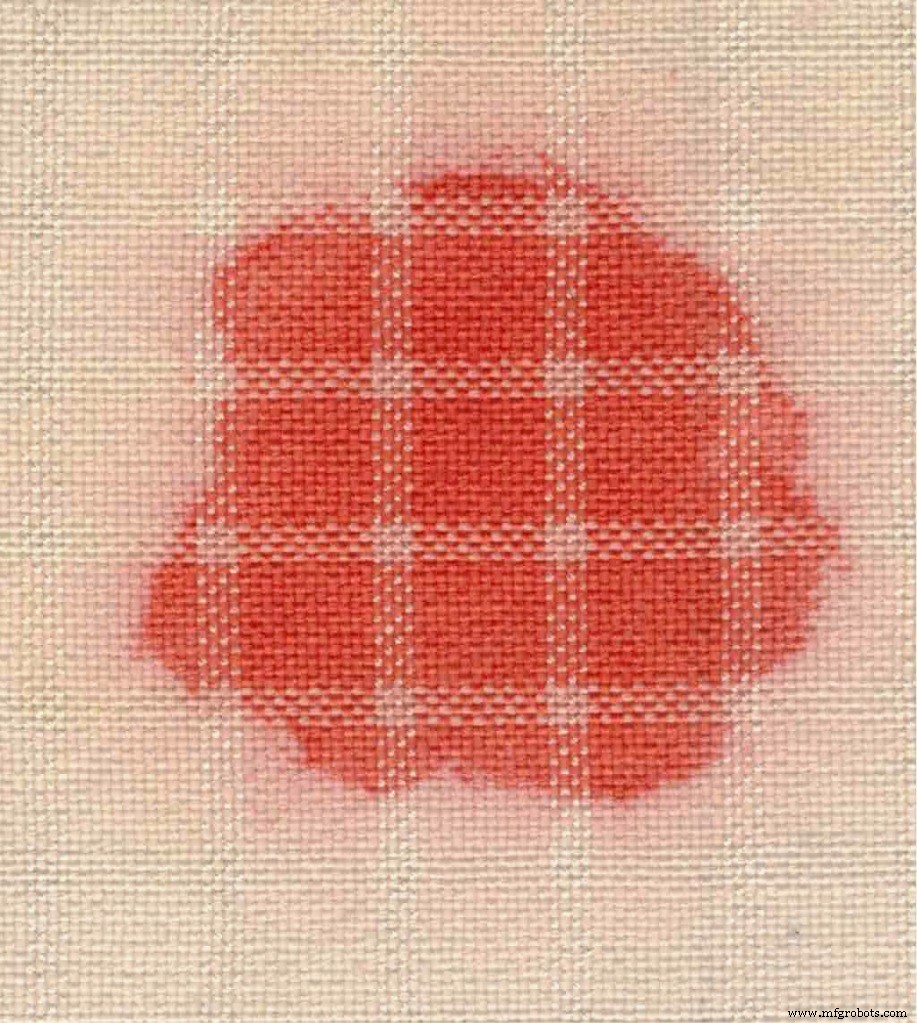
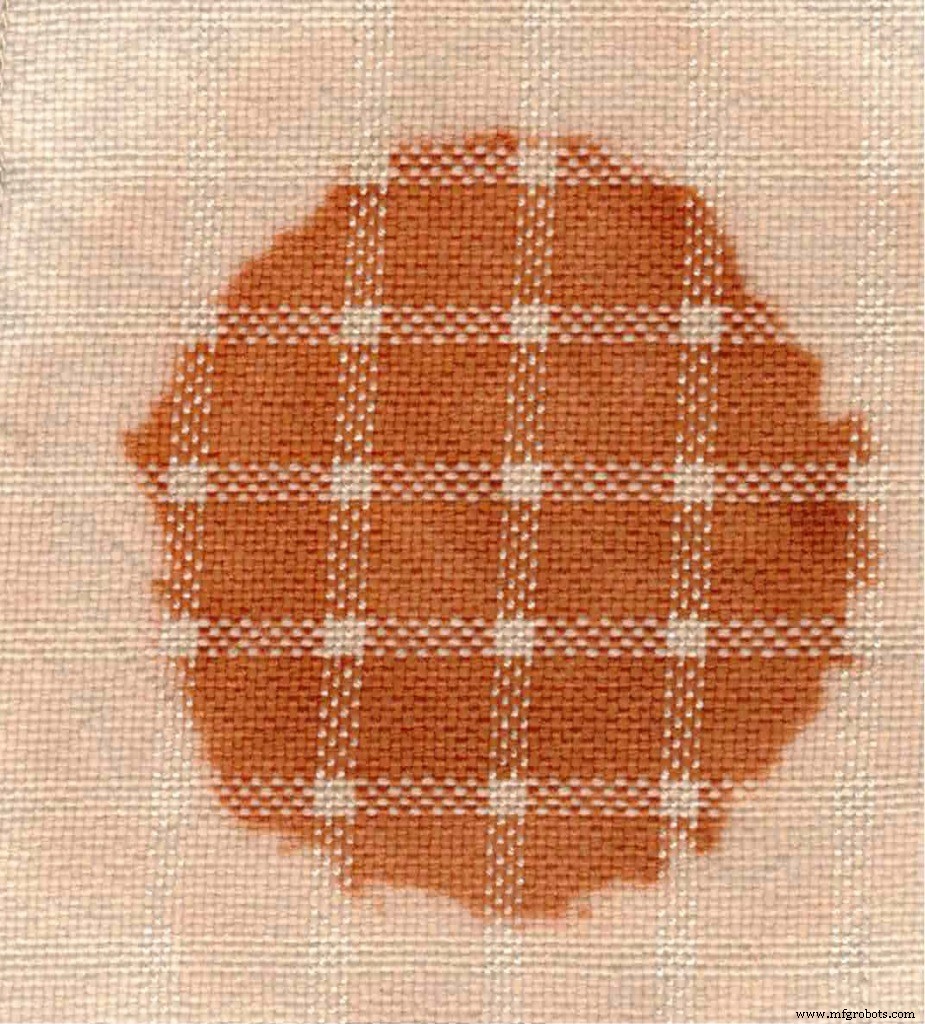
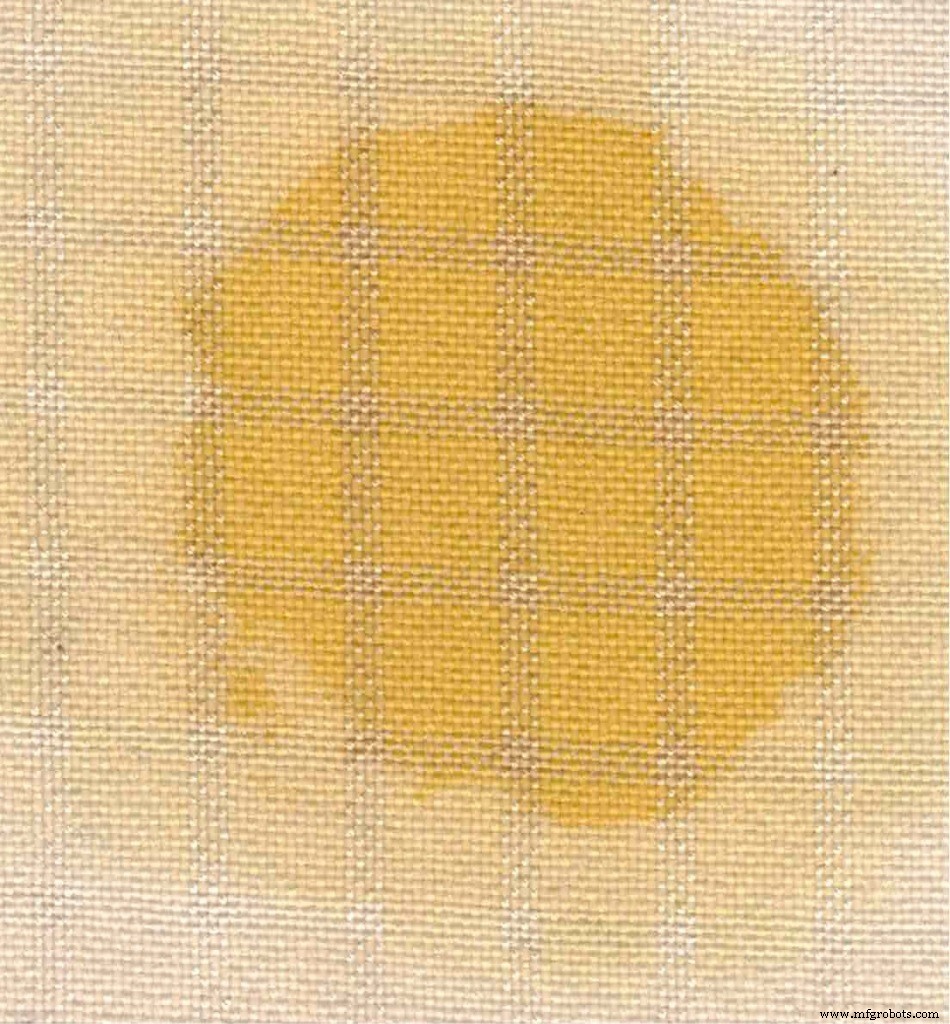
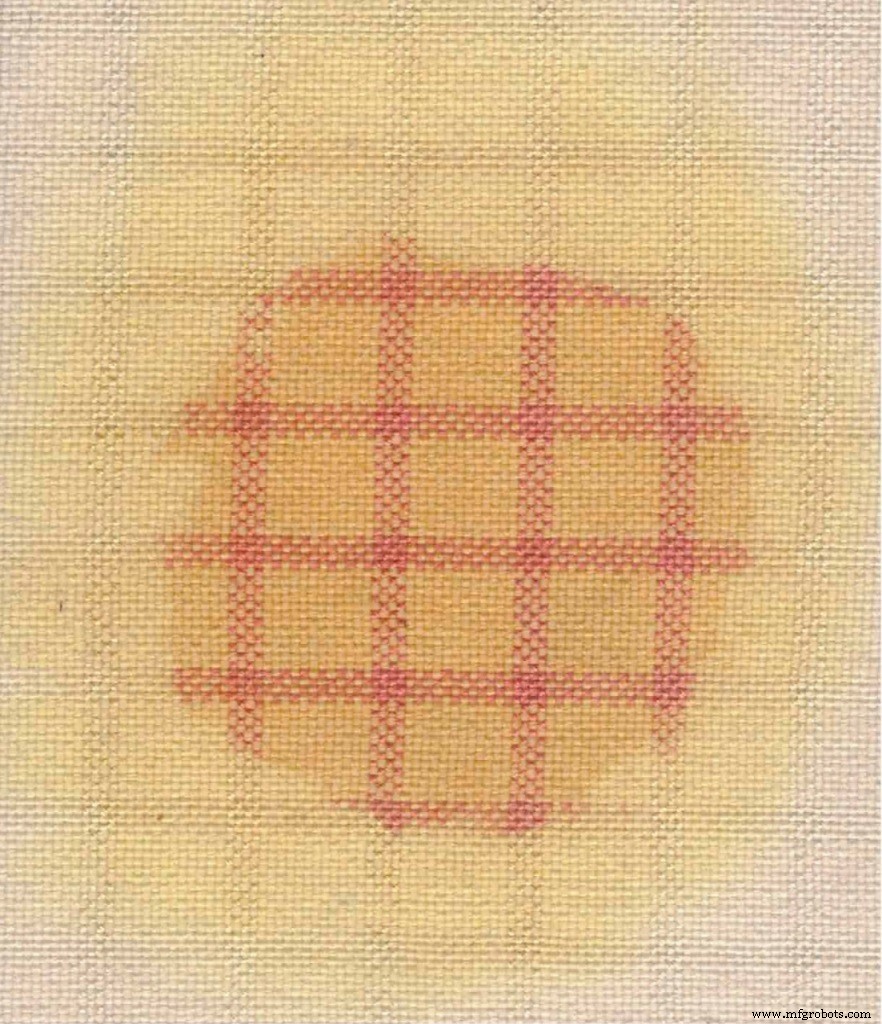
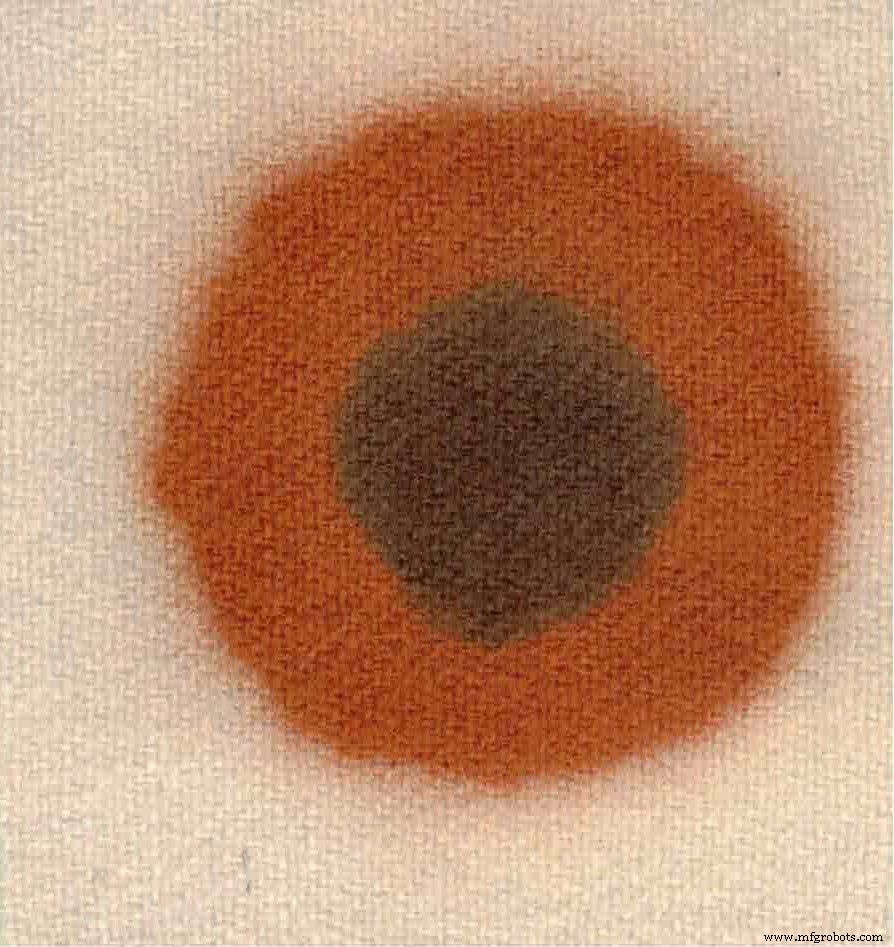
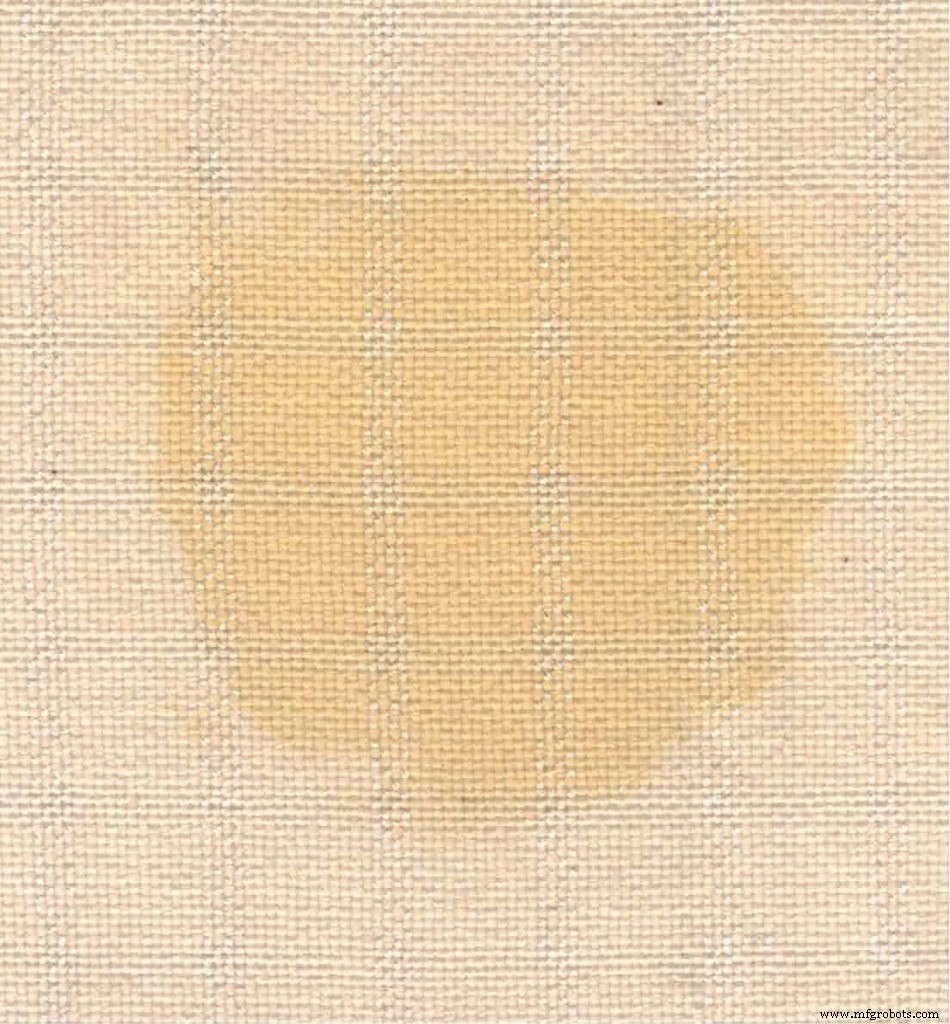
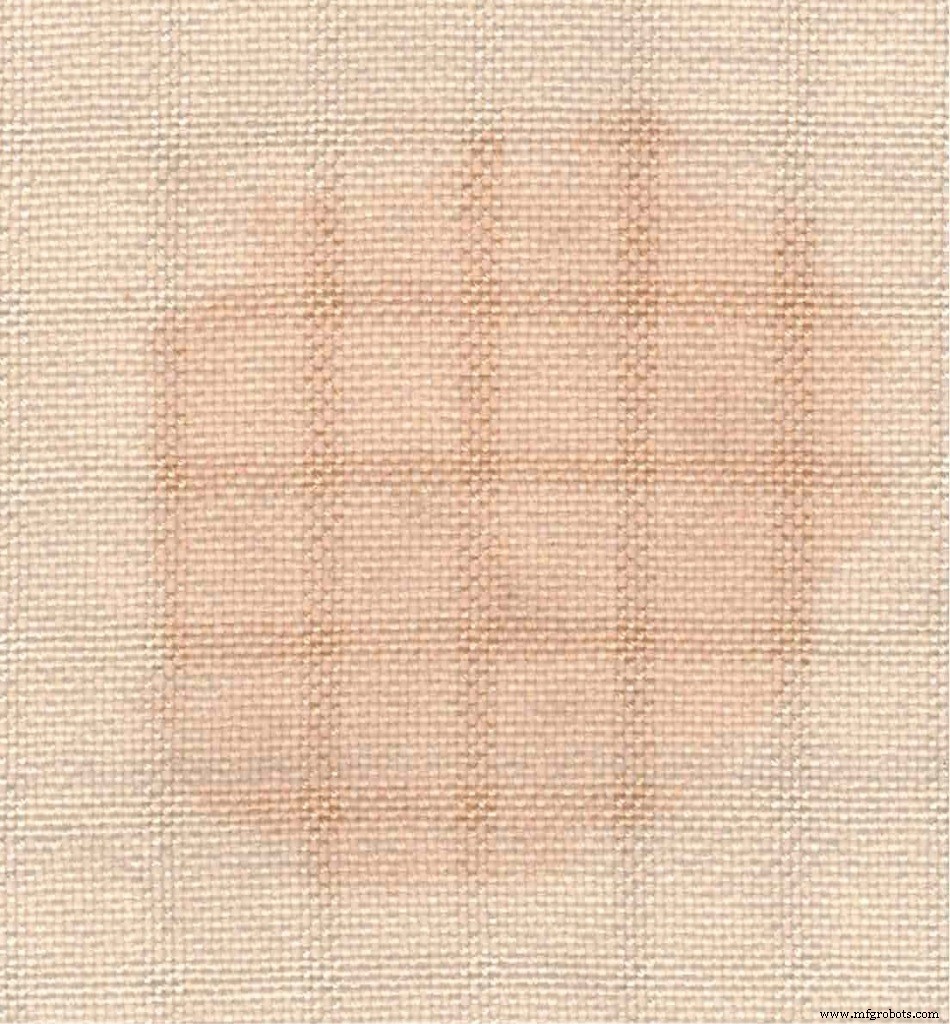
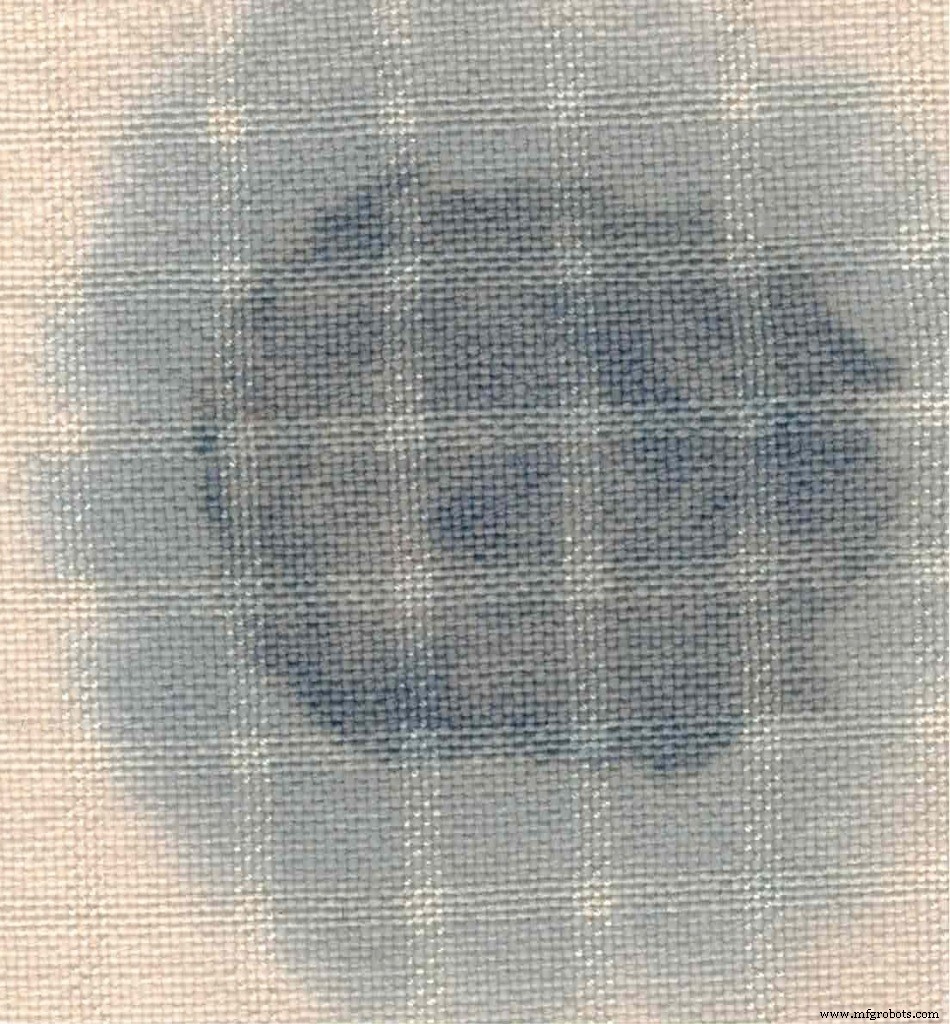
Practical Insights and Future Directions
These experiments have broadened my understanding of natural color and expanded the possibilities for combining dyes with my woven textiles. They have deepened my knowledge of plant categories, alternative applications, and reinforced the importance of remaining open to new ideas.
Dye
- Tantalum: Key Properties and Diverse Industrial Applications
- Properties and Compounds of Rhenium – A Technical Overview
- How Acid Dyes Transform Fabrics: Applications & Benefits
- Key Industries Using Basic Dyes – Why They’re Essential
- Sustainable Dyes & Pigments: Transforming Printing, Cosmetics, and Manufacturing for a Greener Future
- How Acid Dyes Work and Their Key Applications
- Understanding Textile Dyes and the Dyeing Process
- Understanding Textile Color Fundamentals: Dyeing, Printing, and Dye Classification Explained
- Industrial Dyes & Pigments: A Comprehensive Guide to Applications & Types
- The Science of Textiles: A Deep Dive into Acid, Reactive, Leather, and Direct Dyes