



Understanding Textile Color Fundamentals: Dyeing, Printing, and Dye Classification Explained
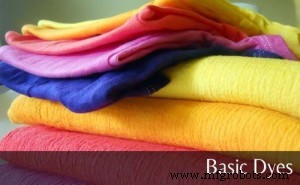
In the textile world, color elevates fabric appeal and drives sales. Two primary methods add color: dyeing, which uniformly saturates the entire weave, and printing, which applies pigment to specific areas. The core of dyeing is the dye itself, which comes in two broad categories—natural and synthetic.
Natural dyes are harvested from botanical and animal sources such as nuts, flowers, and berries. Synthetic dyes, derived from chemical processes, dominate modern textile manufacturing. They include families such as acid dyes, basic dyes, sulfur dyes, reactive dyes, and many others.
When describing a fabric’s color, three descriptors are essential: hue, value, and chroma. Hue refers to the color name (e.g., pink, scarlet, beige). Value indicates the lightness or darkness of that hue—closer to white means high value, closer to black means low value. Chroma describes the color’s intensity or purity; a bright, vivid shade has high chroma.
Color mixing in textiles occurs in two forms: additive and subtractive. Additive mixing involves light, while subtractive mixing—used in printing pastes and dyes—relies on pigments that absorb specific wavelengths. Both dyes and pigments are indispensable, but a textile dye must meet criteria such as water solubility, strong affinity for the fabric, vibrant color, and adequate fastness.
Dye classification is based on two criteria: chemical constitution and application method. Chemically, dyes fall into families such as azines, anthraquinones, xanthones, and aminoquinones, among many others. Application-wise, dyes are grouped into synthetic, natural, and ingrain categories. Synthetic dyes are further split into water‑soluble (direct, acid, reactive, basic, optical whiteners) and water‑insoluble (vat, sulfur, disperse) groups.
Each dye receives a unique name that reflects its hue, value, and chroma—e.g., Direct Black 22 denotes a specific shade of a direct dye. When you need a particular shade, sourcing it from a reputable supplier or manufacturer ensures that the dye’s quality, consistency, and performance meet industry standards.
For long‑lasting, vibrant color, always choose dyes from trusted producers who employ advanced technology, rigorous quality control, and experienced staff. This guarantees a superior product that delivers the color integrity your application demands.
Dye
- Applications of Basic Dyes Across Industries
- Essential Features of Basic Textile Dyes: Quality, Durability, and Versatility
- Key Industries Using Basic Dyes – Why They’re Essential
- Sustainable Dyes & Pigments: Transforming Printing, Cosmetics, and Manufacturing for a Greener Future
- How Acid Dyes Work and Their Key Applications
- Understanding Basic Dyes: Uses, Safety, and Industry Applications
- Dye Classification by Application: From Reactive to Disperse—An Industry Overview
- Understanding Basic and Direct Dyes: Their Impact on Cellulosic Fibers
- Color Masterbatch Mixing in Plastic Manufacturing: Expert Guide to Resin Selection and Process Optimization
- Fundamentals of Iron and Steel Corrosion: Causes, Effects, and Prevention