



Dye Classification by Application: From Reactive to Disperse—An Industry Overview
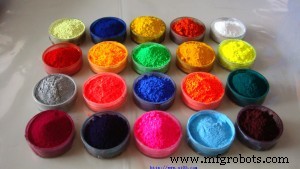
Dyes and pigments give our world its vibrant hues. Historically sourced from plants and animals, many natural dyes still find niche applications today, though only a handful have transitioned into mainstream commerce.
A dye is an aromatic, colored, ionizable organic compound that bonds strongly to a substrate. Mordants can be employed to enhance fastness. By application, dyes are broadly classified into basic dyes, reactive dyes, acid dyes, direct dyes, disperse dyes, vat dyes, napthol dyes, and azoic dyes.
Reactive dyes represent the newest generation of textile pigments. They are prized for their versatility—effective on fibers such as silk, cotton, and wool, and suitable for screen printing, yarn dyeing, and fabric painting. Compared to conventional basic dyes, reactive dyes offer superior color fastness, including washing and light resistance.
Acid dyes, derived from basic dyes through acidification, excel on acrylics and nylon. They provide respectable light fastness but fall short in wash fastness. Direct dyes, on the other hand, deliver vivid hues directly onto cellulose fibers without a mordant, though they lack durability under light and washing. Vat dyes exhibit high fastness on cellulose, with synthetic indigo being a flagship example. Disperse dyes, tailored for synthetic fibers, produce intense, durable colors with excellent wash and light fastness, though they are limited to synthetic textiles.
Basic dyes yield bright colors but typically suffer from poor wash and light fastness; these shortcomings can be mitigated through post‑treatment. They remain essential for dyeing acrylic fibers. Solvent dyes, a synthetic class, are specifically engineered for producing wrinkle‑free fabrics in the textile sector.
Beyond textiles, dyes serve critical roles in voter identification, livestock marking, and as markers in biological research.
Dye manufacturers—spanning acid, basic, and solvent dyes—are continually innovating to deliver formulations with improved flow, stability, and color performance while prioritizing sustainable resources. The industry’s latest frontier is eco‑friendly dyes, aiming to combine high performance with reduced environmental impact.
Dye
- Understanding Textile Dyes: Reactive, Direct, and Acid Types Explained
- Essential Features of Basic Textile Dyes: Quality, Durability, and Versatility
- How Acid Dyes Transform Fabrics: Applications & Benefits
- How to Select Premium Solvent Dyes for Optimal Performance
- Understanding Textile Color Fundamentals: Dyeing, Printing, and Dye Classification Explained
- Napthols: Expert Guide to Dyeing Cellulosic Fibers with Azoic Dyes
- Herbal Textiles: Sustainable Dyeing for Health and Environment
- Understanding Dyes & Pigments: Origins, Applications, and Impact
- Classification and Application of Glass Fibers: Types, Properties, and Uses
- Comprehensive Review of Luminescent Silica Nanoparticles: Classification, Synthesis, and Practical Applications