



Key Criteria for Selecting Dyes in Inkjet Printing
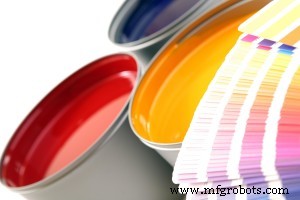
Organic dyes—basic, acid, solvent, and direct—are the backbone of numerous industrial processes, most notably textile dyeing. Acid dyes typically color silk, wool, and nylon, while basic dyes are preferred for acrylic fibers. Direct dyes excel on linen, cotton, and other cellulose-based fabrics, and solvent dyes, soluble in organic media, are suitable for both synthetic and natural fibers. In this article we focus on the dyes specifically engineered for inkjet inks.
The appropriate dye selection hinges on the ink class—solvent, aqueous, or hot‑melt— as well as the printer architecture.
Aqueous Inks – First‑Generation Dye Family
Aqueous inkjet dyes, the first generation of dyes, were chosen for their vibrant hue, excellent water solubility, and consistent performance. As inkjet technology has evolved, so too have the requirements: reduced feathering, superior waterfastness, resistance to smearing, faster drying times, and broad media compatibility. Ongoing research in ink formulation has produced dyes that meet these advanced criteria.
Solvent Inks – A Later Entrant
Solvent‑based inks dominate industrial settings where fast dry times and compatibility with non‑porous, hydrophobic substrates are essential—for example, printing barcodes, sell‑by dates, and batch numbers on packaging. Solvent dyes, often in black, are engineered to deliver the durability and speed demanded by high‑performance printers.
Hot‑Melt – A Printing Revolution
Hot‑melt inks transition from solid to liquid at temperatures between 60 °C and 125 °C. In digital printing, the ink is heated to the requisite temperature, then ejected through the printhead onto the substrate, yielding crisp, high‑definition images that dry almost instantly.
Critical Properties of Inkjet Dyes
Regardless of type, dyes must satisfy stringent criteria: color fidelity, solubility, color strength, electrolyte content, toxicity, shade stability, and thermal resilience. Lightfastness, waterfastness, and smear resistance are equally paramount.
While black is the dominant ink color, color printing relies on magenta, yellow, and cyan—each demanding high color strength, narrow absorption spectra, and robust water and thermal stability. Ideal dyes are bright, free of anions such as chloride or sulfate, and exhibit minimal amens negative.
Conclusion
Dyes are transformative substances that redefine the appearance of any substrate. By selecting dyes that meet these criteria, manufacturers can achieve outstanding print quality and product performance.
Dye
- Key Applications of Hafnium: From Nuclear Control Rods to Advanced Alloys
- Understanding Textile Dyes: Reactive, Direct, and Acid Types Explained
- Fabric, Fragrances & Flavors: The Science Behind Textiles and Aromatics
- Innovations in Textile Dyeing: Modern Dyes & Their Applications
- Niobium: Applications in Industry, Jewelry, Gravimetry, and Orthopedic Implants
- Aluminum Bronze: Applications, Properties, and Advantages
- Laser Cutter Applications: From Wood to Aerospace
- CNC Routers: Applications, Benefits, and Industry Uses
- ASA Filament: A UV-Resistant 3D Printing Alternative to ABS
- Explore the Versatile Applications of 3D Printing in Industry and Healthcare