



Innovations in Textile Dyeing: Modern Dyes & Their Applications
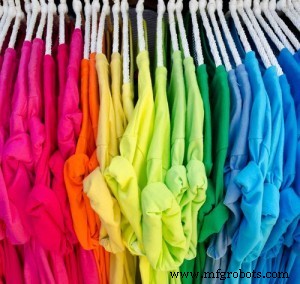
Textile dyeing has evolved from simple vegetable stains to sophisticated petroleum‑derived formulations. While early dyes were sourced from natural materials, contemporary dyes are engineered from petroleum intermediates and coal tar derivatives, offering consistent performance and reduced environmental impact.
These advanced dyes are sold as granules, powders, liquid pigment dispersions, or pastes. Depending on the fabric and desired finish, manufacturers adjust the active ingredient concentration between 20% and 80%. Modern formulations are rigorously tested to ensure they meet ecological standards and do not pose environmental threats.
The textile industry’s rapid innovation cycle demands that dye producers continually refine their products. Seasonal fluctuations influence demand: for instance, polyester fabrics rely heavily on disperse dyes, whereas high‑end cottons see increased consumption of vat, reactive, and direct dyes in summer months.
Below is a concise overview of the primary dye categories used today, following the classification of the Color Index journal (published by the American Association of Textile Chemists and Colorists and the Society of Dyers and Colorists UK).
Acid Dyes
Acid dyes are anionic and excel on silk, wool, polyamide, and modified acrylics. They are further categorized into weak, strong, or neutral acids based on their chemical structure.
Azoic Dyes
Ideal for cotton, azoic dyes deliver deep, vibrant hues such as red, orange, navy blue, scarlet, and black.
Basic Dyes
These dyes impart brilliant, intense colors to wool, silk, and acrylic. When used on cotton, they require a direct dye mordant.
Direct Dyes
A versatile choice for paper, wool, cotton, nylon, viscose, jute, linen, and more.
Reactive Dyes
Offering superior brightness and color fastness, reactive dyes are optimal for cotton, wool, rayon, flax, silk, acetate, and polyamide. They are available in powder, liquid, and paste forms.
Other notable categories include solvent dyes, vat dyes, and additional specialized formulations.
Dye
- Understanding Textile Dyes: Reactive, Direct, and Acid Types Explained
- The Complete Guide to Textile Dyes: Types, Applications, and Choosing the Right Manufacturer
- Textile Dyes: Their Environmental Impact & Sustainable Alternatives
- Pigments & Dyes: The Driving Force Behind Paint and Textile Innovation
- Key Criteria for Selecting Dyes in Inkjet Printing
- Herbal Textiles: Sustainable Dyeing for Health and Environment
- Why Standardizing Dyestuffs is Essential for the Global Textile Industry
- Air Dyeing: A Sustainable Revolution in Textile Dyeing
- Textile Dyes: The Invisible Power Behind Modern Fashion
- DrapeCube: Affordable 3D FRP Textile Preforming Solution