



Herbal Textiles: Sustainable Dyeing for Health and Environment
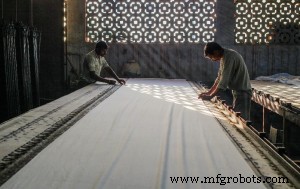
Dyeing is a cornerstone of textile design, imparting color, vibrancy, and shine. In response to global concerns over chemical dyes that threaten ecosystems and consumer health, herbal dyes—extracts derived from natural plants—have emerged as a clean, effective alternative.
Herbal extract manufacturers prioritize strict quality controls to ensure their products meet the highest industry standards. A fabric dyed with these natural extracts is termed an herbal textile. Unlike vegetable dyes, which require catalysts such as ferrous sulfate or copper sulfate, herbal dyes are applied without any added chemicals, preserving the intrinsic medicinal properties of the botanicals—Manjistha, Neem, Sandalwood, turmeric, and more—directly onto the textile.
The benefits of herbal dyes are manifold: they are biodegradable, eco‑friendly, and promote wearer well‑being. Herbal textiles reduce allergic reactions and enhance comfort, all while emitting a lower carbon footprint. Their production demands minimal water, energy, and eliminates toxic runoff. Rigorous testing guarantees the absence of harmful contaminants—lead, amines, nickel, formaldehyde—making these fabrics safe for sensitive skin.
Suitable fibers include natural cotton, wool, jute, linen, hemp, and organic cotton. Each stage—from fiber preparation to final dyeing—is meticulously managed, with a key distinction: the dyeing process eschews any chemical intervention.
Applications span from bedding, towels, and undergarments to meditation apparel, nightwear, and items that contact the skin. Beyond clothing, herbal dyeing techniques are employed in door mats, mattresses, coir mats, and carpets, extending the technology’s reach into everyday household textiles.
Herbal extracts have long been valued for their therapeutic properties; today, their incorporation into textiles is gaining momentum, opening a lucrative niche for manufacturers and offering consumers a healthier, greener wardrobe.
While herbal dyes represent a significant green shift, the textile industry also utilizes a spectrum of pigments—acid black, acid red, acid yellow—across paints, plastics, inks, and food. However, not all of these options align with sustainable practices, underscoring the importance of continued innovation in eco‑friendly dyeing.
Dye
- Applications of Basic Dyes Across Industries
- Understanding Textile Dyes: Reactive, Direct, and Acid Types Explained
- The Complete Guide to Textile Dyes: Types, Applications, and Choosing the Right Manufacturer
- Essential Features of Basic Textile Dyes: Quality, Durability, and Versatility
- Napthols: Expert Guide to Dyeing Cellulosic Fibers with Azoic Dyes
- Dye Classification by Application: From Reactive to Disperse—An Industry Overview
- Herbal Textiles: Sustainable Dyeing for Health and Environment
- Understanding Dyes & Pigments: Origins, Applications, and Impact
- Herbal Extracts: Production, Types, and Health Benefits
- Innovations in Textile Dyeing: Modern Dyes & Their Applications