



Dyes: The Essential Colorants for Textiles, Paper, and More
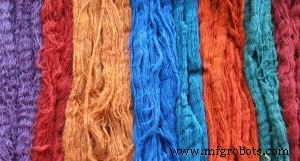
Without color, the world would be a monochrome landscape. Dyes—whether derived from natural sources or synthesized—have shaped industries from fashion to food. Their role spans textiles, paper, inks, cosmetics, and paints, each demanding specific chemical properties and application techniques.
Below is an overview of the primary dye classes that dominate today’s market, with key characteristics and typical uses.
1. Reactive Dyes
Reactive dyes form covalent bonds with fiber molecules, ensuring superior colorfastness. They are the go‑to choice for cotton and other cellulose fibers. Sub‑categories include Cold, Hot, Bi‑Functional, Vinyl Sulphone, and High Exhaust dyes—each optimized for different processing conditions and end‑products.
2. Basic Dyes
These acid‑based dyes excel in acidic environments, providing vivid, bright hues. They are widely applied to cotton, paper, leather, and natural fibers such as wool, silk, and acrylic. Industries ranging from printing inks to agrochemicals also leverage basic dyes for their excellent solubility and fastness.
3. Direct Dyes
Direct dyes are renowned for their simplicity. They can be applied directly to fibers with minimal auxiliary chemicals—often just sodium chloride or Glauber salt. Typically used in neutral to slightly alkaline baths at near‑boiling temperatures, they find application in paper, textiles, coir, jute, ink, and leather manufacturing.
Colors are categorized into primary (naturally occurring) and secondary (mixtures of primaries). Dyes come in powder or liquid forms, packaged from grams to kilograms based on supplier scale. When purchasing, verify the dye’s purity, batch consistency, and supplier reputation to ensure the best value and performance.
Choosing the right dye and a reliable supplier is essential for achieving lasting colorfastness, especially in the ever‑evolving fashion sector. With the right mix of chemistry and expertise, even the most modest fabric can be transformed into a vibrant masterpiece.
Dye
- Applications of Basic Dyes Across Industries
- The Complete Guide to Textile Dyes: Types, Applications, and Choosing the Right Manufacturer
- How Acid Dyes Transform Fabrics: Applications & Benefits
- How to Select Premium Solvent Dyes for Optimal Performance
- Vipul Organics – India’s Leading Solvent Dye & Pigment Manufacturer
- Global Dye Industry’s Evolution: Eco‑Friendly Shifts, Regulatory Rigor, and Technological Innovation
- The Science of Textiles: A Deep Dive into Acid, Reactive, Leather, and Direct Dyes
- Choosing the Best Sheet Metal Cutting Tool: CNC Shears, Plasma, Waterjet, and Fiber Laser Options
- Optimizing Yellow Flavonoid Dyes: The Crucial Role of pH and Chalk in Natural Dyeing
- Top Leaf Blowers 2024: Find the Perfect Model for Your Yard