



The Science of Textiles: A Deep Dive into Acid, Reactive, Leather, and Direct Dyes
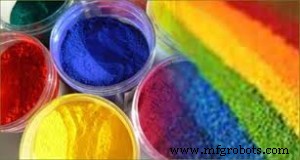
Dyes are essential to the textile industry, turning plain fabrics into vibrant, personalized works of art. While dyeing has ancient roots, modern dyes are predominantly synthesized in laboratories and factories, moving away from natural sources.
Dyes differ in their resistance to sunlight, washing, perspiration, fiber affinity, solubility, and application methods. Below, we highlight key dye categories.
Acid Dyes
Acid dyes carry a negative charge in solution and typically feature phenolic groups or sodium salts of sulfonic acids. They excel on polyamide, silk, nylon, wool, and modified acrylics but show no affinity for cotton cellulose, making them unsuitable for cellulosic fibers.
The safety profile of acid dyes varies widely: some are food‑grade and remarkably non‑toxic, while others exhibit higher toxicity. Acid dyes are traditionally divided into three sub‑categories:
- Strong or leveling acid dyes
- Weak or milling acid dyes
- Neutral, fast, or super‑milling acid dyes
Reactive Dyes
Reactive dyes form covalent bonds with cellulose, providing exceptional color fastness. Though they are primarily used for cotton, they can also dye nylon and wool under mildly acidic conditions.
Three core advantages make reactive dyes the industry standard for cotton:
- Washability – garments dyed with reactive dyes can be washed alongside white fabrics without risk of color transfer.
- Long‑lasting color – the chemical bond ensures the hue remains vibrant over time.
- Strong fiber integration – the covalent attachment makes the dye an integral part of the fiber structure.
Leather Dyes
In leather manufacturing, anionic dyes are preferred for their ability to enhance shine, depth, and durability. Techniques such as sponging, spraying, and brush finishing allow designers to achieve a wide range of finishes and styles.
Direct Dyes
Direct dyes are water‑soluble pigments applied directly to cotton, linen, and rayon. They offer superior light fastness compared to many other dyes, though colorfastness can be limited. Specialized post‑treatments effectively mitigate bleeding, extending the dye’s life. Beyond textiles, direct dyes serve as biological stains and pH indicators.
The dyes discussed above merely scratch the surface of the extensive and evolving world of textile coloration.
Dye
- Top 5 Strategic Metals Shaping Modern Defense & Aerospace
- Applications of Basic Dyes Across Industries
- The Complete Guide to Textile Dyes: Types, Applications, and Choosing the Right Manufacturer
- How Acid Dyes Transform Fabrics: Applications & Benefits
- Global Dye Industry’s Evolution: Eco‑Friendly Shifts, Regulatory Rigor, and Technological Innovation
- Dyes: The Essential Colorants for Textiles, Paper, and More
- Getting Started with IoT and MQTT: A Code‑Free ESP8266 Tutorial
- Global Landscape of Maintenance: Trends, Practices, and Future Directions
- 3D Printing: Empowering Communities in the Developing World
- Vietnam Calcium Carbonate Masterbatch – Premium Quality Filler for Global Plastic Production