



How Acid Dyes Transform Fabrics: Applications & Benefits
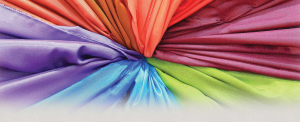
Acid dyes represent the most widely employed pigments in modern textile manufacturing, especially when it comes to protein‑based fibers. Their unique chemistry allows manufacturers to achieve vibrant colors while maintaining excellent durability and fastness.
Acid Dyes and Their Applications in Fabrics:
These dyes excel on man‑made fibers such as nylon, polyester, and acrylic, but they also deliver outstanding results on natural protein fibers—including wool (especially chlorinated wool), silk, and cotton blends. The key advantage lies in the strong bond that forms between the dye molecules and the fiber’s polymer chains, ensuring that color is both vivid and long‑lasting.
When applied, an acid dye reacts chemically with the fiber, creating a salt linkage that anchors the pigment within the material. In wool, for instance, the dye attaches to the amino groups in the keratin structure, producing a stable, colorfast attachment. This chemical affinity is what gives acid‑dyed fabrics their superior light fastness and resistance to fading.
Typical acids used in the dyeing process include acetic, hydrochloric, and sulfuric acid. Optimal results are achieved by heating the dye–acid mixture to temperatures above 40 °C; higher heat promotes better penetration and faster reaction rates. For printing applications, steam can be employed to transfer the dye pattern onto the fabric efficiently.
The results speak for themselves: acid‑dyed textiles often exhibit remarkable brightness and durability, making them a favorite in apparel, upholstery, and industrial textiles. To ensure consistent quality, it’s essential to partner with a reputable supplier who follows industry standards such as ISO 105‑B02 for colorfastness testing.
Dye
- Why Molybdenum Dominates Glass Manufacturing
- Niobium’s Critical Role in Modern Steel Production
- Applications of Basic Dyes Across Industries
- The Complete Guide to Textile Dyes: Types, Applications, and Choosing the Right Manufacturer
- How to Select Premium Solvent Dyes for Optimal Performance
- Dye Classification by Application: From Reactive to Disperse—An Industry Overview
- Global Dye Industry’s Evolution: Eco‑Friendly Shifts, Regulatory Rigor, and Technological Innovation
- The Science of Textiles: A Deep Dive into Acid, Reactive, Leather, and Direct Dyes
- Dyes: The Essential Colorants for Textiles, Paper, and More
- Vietnam Calcium Carbonate Masterbatch – Premium Quality Filler for Global Plastic Production