



Solvent Dyes & Reactive Dyes: Applications, Benefits, and Industry Insights
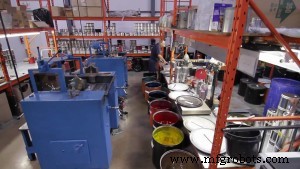
Dyes and pigments serve as the primary colorants across household and industrial sectors. Selecting the right type depends on specific application requirements.
Solvent Dyes – Versatility in Plastics and Beyond
Solvent dyes dissolve in organic solvents, enabling broad compatibility with a variety of materials. They are the go‑to choice for the plastics industry, imparting vibrant color to polyester, nylon, acetates, PETP, PVC, PMMA, styrene, and polystyrene monomers.
Other common uses include foil printing, marking pens, printing inks, candles, leathers, polishes, varnishes, acrylic resins, and wood stains. In medical diagnostics, solvent dyes produce cell‑staining reagents that highlight cellular components.
Dye names typically list the color first, followed by a distinguishing number—e.g., Solvent Red 49, Solvent Red 1, Solvent Red 24—to differentiate shades.
Reactive Dyes – The Preferred Choice for Textiles
Originating from plant sources, reactive dyes are celebrated for their exceptional wash and color fastness on natural and semi‑synthetic fibers such as cotton, linen, bamboo, jute, hemp, silk, and rayon.
Available in powder, liquid, and print paste forms, reactive dyes bond to fibers via a chemical reaction, ensuring long‑lasting color. Common auxiliaries—Ludigol, urea, dye fixers, sodium alginate, Synthrapol detergent, and water softeners—each play a specific role in optimizing brightness and durability.
Quality Assurance Across All Colorants
Every dye and pigment produced by leading manufacturers undergoes rigorous testing across multiple parameters. Whether you source from solvent dye manufacturers, reactive dye producers, or pigment blue suppliers, you can rely on their comprehensive quality guarantees.
Choose a trusted supplier to ensure that your application receives the highest‑grade colorants.
Dye
- Understanding Textile Dyes: Reactive, Direct, and Acid Types Explained
- Essential Features of Basic Textile Dyes: Quality, Durability, and Versatility
- Vat Dyes: Benefits, Applications, and Industry Trends
- How to Select Premium Solvent Dyes for Optimal Performance
- Vipul Organics – India’s Leading Solvent Dye & Pigment Manufacturer
- Napthols: Expert Guide to Dyeing Cellulosic Fibers with Azoic Dyes
- 8 Fascinating Facts About the Screw’s Historical Evolution
- Key Insights into PACs vs PLCs: Essential Differences Explained
- Swiss Turning Machines: Precision Craftsmanship for Watchmaking
- Servo Amplifiers Explained: Enhancing Motor Performance and Robot Precision