



Lightfastness of Dyes: James Morton’s Pioneering Legacy in Textile Color Durability
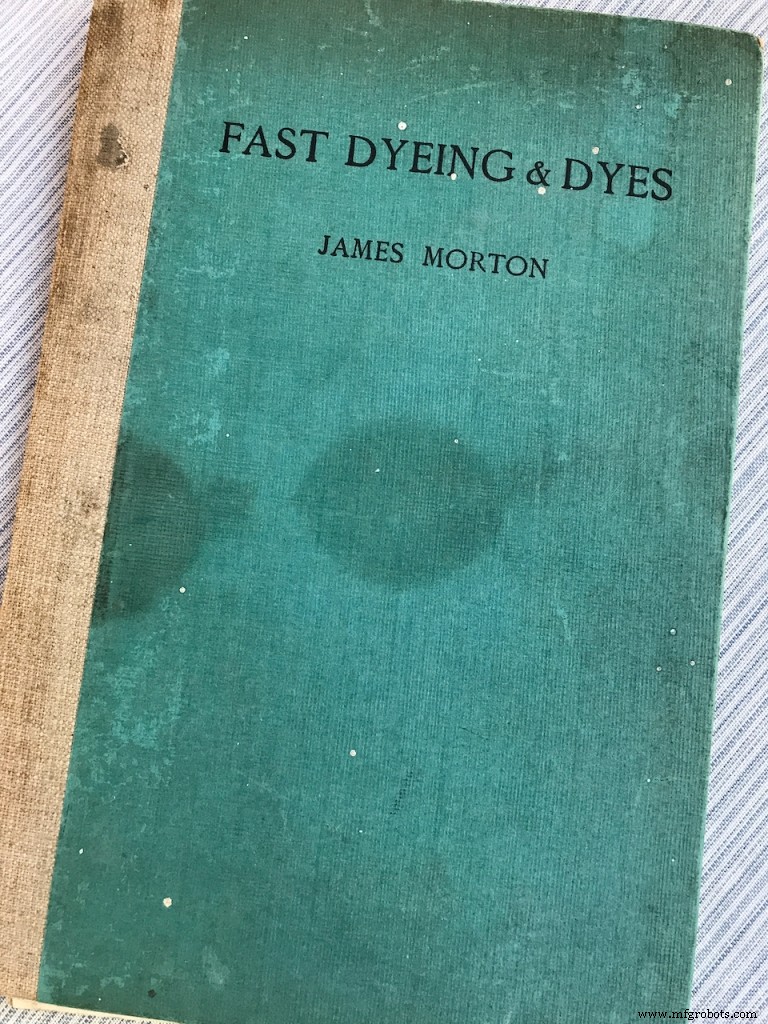
A recent discovery in my archive was a compact booklet titled Fast Dyeing and Dyes by James Morton. The text is the recorded proceedings of a lecture delivered to the Royal Society of Arts in London in 1929, offering a first‑hand account of early 20th‑century advances in dye technology.
James Morton, the son of Alexander Morton—founder of the London‑based weaving house Alexander Morton & Co in the late 19th century—was trained as a chemist. He specialized in developing permanent, light‑fast dyes for cellulose textiles. In 1903, he began a systematic programme to create a palette of dyes that would retain their hue under prolonged light exposure, a crucial step as chemical dyes were rapidly replacing natural plant and insect colours in industry.
Morton’s company produced woven furnishing fabrics for curtains, carpets, upholstery and tapestries. He recalled observing one of his own company’s tapestries in a showroom window: after only a week the colours had faded dramatically. Convinced that the dyes were at fault, he converted his family greenhouse—previously used for tomatoes—into a light‑fastness testing lab. He compared his own fabrics with those of competitors, and the results were described as “staggering”. Even deep, expensive shades turned almost white after a week, prompting him to document every sample meticulously.
From these observations emerged a clear objective: identify a limited range of chemical dyes that would remain stable over time. Morton believed that a reliable, narrow palette was preferable to a vast array of colours that would quickly degrade. This philosophy led to the creation of the brand name Soundour—a blend of “sun” and the Scottish word “dour” (meaning stubborn or difficult to move). Among the dyes he championed were alizarines, which preserved their red tones; a class of synthetic dyes derived from alizarin, the primary red component of madder root, first produced synthetically in 1869. Mineral‑derived dyes provided acceptable light‑brown hues, while indigo was deemed unsuitable for longevity on cellulose. Instead, indanthrene vat dyes, newly available at the time, offered durable yellows, blues, and greys.
All selected dyes underwent rigorous testing, both in Morton’s greenhouse and on rooftops in India, where intense sunlight and high humidity presented a harsh environment. The resulting carefully curated palette could be marketed as reliable, justifying a higher price point—often significantly above competing fabrics—because the colours were engineered to last as long as the textile itself.
This narrative underscores the historical importance of light‑fastness during an era of enthusiasm for the endless possibilities of synthetic dyes. Morton’s insistence on higher standards challenged industry assumptions and reshaped the perception of synthetic colour durability. He noted that some manufacturers questioned the wisdom of raising standards so high, yet his legacy demonstrates the long‑term value of quality.
Today’s renewed fascination with natural dyes often mirrors this historical pattern, with excitement sometimes eclipsing considerations of longevity. When the customer’s expectation is that colour will endure alongside the textile, colour‑fastness becomes a critical quality metric. Professional natural dyers have long weighed such factors; Dominique Cardon’s The Dyer’s Handbook: Memoirs of an 18th‑century Master Colourist reminds us that distinguishing fast colours from false ones is essential.
All dyes inevitably fade, and all textiles inevitably deteriorate. However, as Joy Boutrup, a colleague in the field, observes, acceptable fading results in a lighter version of the original hue while maintaining the colour’s integrity—a softer indigo blue or a milder madder red—rather than an unrelated beige. The ultimate goal is for the colour to outlast the textile itself.
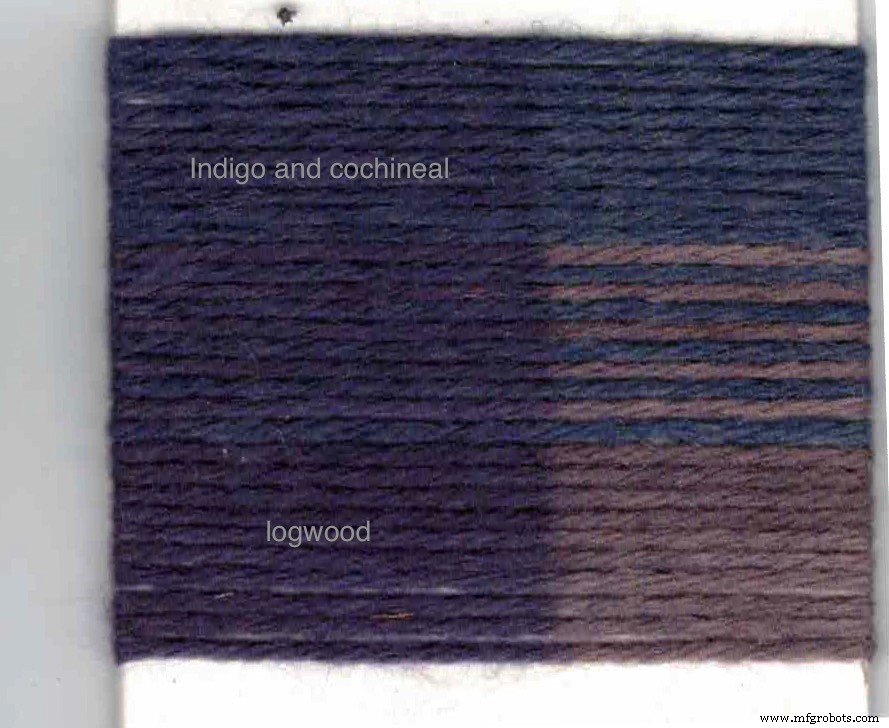
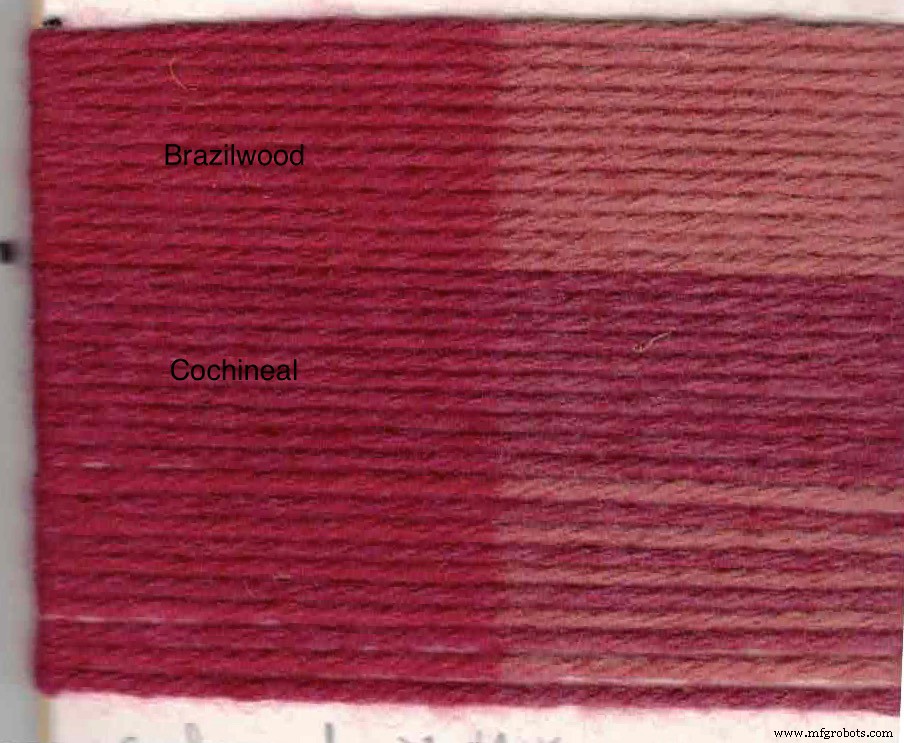
Dye
- Early Nonmechanical Memory Technologies: From Delay Lines to Core Memory
- Amber: From Ancient Resin to Scientific Treasure – History, Properties, and Modern Uses
- The Guillotine: History, Design, and Legacy
- Silicon: Properties, Production, and Market Outlook
- The Ukulele: From Portuguese Roots to Modern Craftsmanship
- The Complete Guide to the U.S. Chicken Industry: History, Production, and Quality Control
- Compost: The Ultimate Soil Enrichment Solution
- Gelatin: From Ancient Protein to Modern Applications – Production, Uses, and Safety
- The Evolution and Manufacturing of Modern Pin‑Tumbler Locks
- Lightfastness of Dyes: James Morton’s Pioneering Legacy in Textile Color Durability