



Understanding Dyes & Pigments: Origins, Applications, and Impact
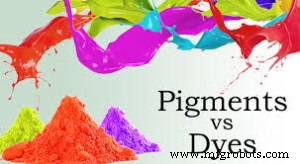
Color is an integral part of our daily experience, yet its creation, perception, and influence are often overlooked. Its versatility allows it to set moods, signal messages, and even drive consumer behavior. The emotional power of color shapes our interactions with products, environments, and ideas.
Modern materials owe their hues to colorants—specifically dyes and pigments. Historically, colorants were harvested from natural sources. The industrial breakthrough of synthesizing pigments from coal tar and petroleum distillates dramatically expanded the palette available to manufacturers, giving rise to a vast array of specialized dyes and pigments tailored to distinct markets.
Dyes and pigments differ fundamentally in solubility and adhesion. Dyes are water‑soluble and can penetrate or chemically bond with substrates, whereas pigments are insoluble in water and oil. The classification of a dye depends on its chemical structure, source, and intended application. For example, direct dyes are tailored for cellulosic fibers such as cotton and blends, and modern dyeing techniques now include batik, bale, beam, chain, and speck dyeing, among others. In India, textiles account for the majority of dye consumption, with paper and leather following.
Pigments, in contrast, are primarily used in paints, printing inks, and coatings. They are categorized by composition—organic versus inorganic—source—natural versus synthetic—and function—extender, coloring, or functional pigments. This taxonomy helps manufacturers match pigment properties to specific end‑uses.
Within the organic pigment family, the most widely adopted categories include Phthalocyanine, azo, quinacridone, and lake pigments. These families provide a broad spectrum of shades, from deep blues and greens to vibrant reds and yellows. For instance, Phthalocyanine pigments are prized for their intense blue and green hues and are a staple for pigment blue manufacturers.
While the terms “dyes” and “pigments” are sometimes used interchangeably in everyday language, they represent distinct chemical classes with unique properties and applications. Together, they continue to enrich the world around us.
Dye
- Understanding Textile Dyes: Reactive, Direct, and Acid Types Explained
- Sustainable Dyes & Pigments: Transforming Printing, Cosmetics, and Manufacturing for a Greener Future
- Vipul Organics – India’s Leading Solvent Dye & Pigment Manufacturer
- Dyes & Pigments in the Paper & Pulp Industry: Trends, Selection Criteria, and Best Practices
- Pigments & Dyes: The Driving Force Behind Paint and Textile Innovation
- Overview of Paints and Pigments: Composition, Types, and Environmental Impact
- Herbal Textiles: Sustainable Dyeing for Health and Environment
- Dyes vs. Pigments: Key Differences, Benefits, and the Rise of Nano Colorants
- Industrial Dyes & Pigments: A Comprehensive Guide to Applications & Types
- Pigments in the Paper & Pulp Industry: Types, Uses, and Applications