



Fabric, Fragrances & Flavors: The Science Behind Textiles and Aromatics
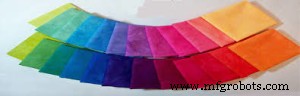
In fashion, aesthetics extend beyond design to encompass fragrance and flavor. A garment’s visual allure depends on the seamless harmony between fabric and color.
Leading reactive dyes manufacturers, vat dyes manufacturers, and acid dyes manufacturers provide high‑quality pigments that deliver strength, light fastness, washing fastness, and rubbing fastness. Herbal extracts manufacturers harvest natural ingredients that enhance fragrances and flavors, supplying key raw materials to cosmetics, food, perfumery, and pharmaceuticals.
Colour‑Fabric Bonding
Reactive dyes are highly coloured organic compounds prized in the textile sector for their excellent stability, solubility, diffusion, and rapid fixation. These attributes yield superior washing fastness and prevent bleeding during laundering. They are applied to cellulosic fibers such as silk, viscose, and rayon. Acid dyes, formulated in acetic or citric acid baths, target protein fibers like wool and silk; their uptake is tuned by adjusting sodium chloride levels. Acid dyes also find use as food colorants and laboratory stains. They are categorized by wet fastness into levelling, milling, and metal‑complex dyes.
Vat dyeing—used on cotton, wool, and certain synthetics—relies on a redox cycle that reduces the dye for solubilization, immerses the fiber in an oxygen‑free bath, and then oxidizes it back to its colored form upon exposure to air. Both reactive and acid dyes can be employed in this process.
Herbal Extracts to Enhance Flavors and Fragrances
Herbal extracts have a storied legacy in cultures across Egypt, China, Germany, Greece, India, and more. Ethnobotany studies traditional plant use and guides the discovery of new extracts for food flavoring and cosmetic fragrance.
Typical sources include vanilla and rose flowers, citrus fruits, and spices such as clove and cinnamon. Extraction is performed with solvents like ethanol or water, yielding powders, oils, or tinctures. These products are incorporated into body sprays, skin creams, toothpastes, and pharmaceuticals, where they impart authentic aroma and taste.
Manufacturers verify toxicity, purity, and organoleptic properties to confirm authenticity and ensure consumer safety.
Ensuring Strict Quality Controls
Reputable reactive dyes manufacturers, vat dyes manufacturers, and acid dyes manufacturers invest heavily in research, innovation, and rigorous quality control. State‑of‑the‑art facilities feature high‑temperature and high‑pressure dyeing baths, steamers, vacuum dryers, and spin flash dryers. Modern analytical tools—spectrophotometers, HPTLC, and more—maintain compliance with the highest industry standards.
Concluding
In short, the convergence of advanced dyes and natural extracts underpins the performance, safety, and sensory appeal of fabrics, perfumes, and flavors.
Dye
- Titanium: Key Properties, Applications, and Industrial Uses
- Castanets: History, Craftsmanship, and Performance
- The History, Production, and Future of Glue: From Ancient Adhesives to Modern Innovations
- Thread: Types, History, Production, and Quality Control
- Acetylene: Production, Uses, and Handling – A Comprehensive Overview
- Comprehensive Overview of Asbestos: From Ancient Uses to Modern Health Risks
- Understanding Textile Dyes: Reactive, Direct, and Acid Types Explained
- How Dyes Work: Types, Applications, and Fastness Explained
- Key Criteria for Selecting Dyes in Inkjet Printing
- Understanding Basic and Direct Dyes: Their Impact on Cellulosic Fibers