



Solvents in Herbal Extraction & Industrial Paints: Technical Insights
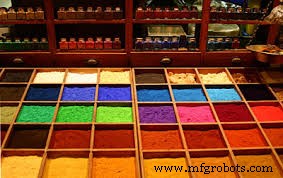
Solvents are indispensable in both pigment formulation and herbal extraction. In paints they enhance performance, while in herbal preparations they act as the medium that releases bioactive compounds from plant material.
Choosing the right solvent is essential for manufacturers who wish to capture the full therapeutic potential of plant material. The solvent must be tailored to the intended use—oral medicine formulations versus isolation of secondary metabolites. herbal extracts manufacturers know that solvent choice is critical.
For oral herbal medicines, vinegar, alcohol and food‑grade vegetable glycerine are common choices. Alcohol is the most popular medium because it effectively breaks down tough herbs such as berries and bark, extracting waxes, fats, resins, volatile oils and many alkaloids. Food‑grade glycerine is useful for extracting alkaloids, tannins, acids and certain minerals. Herbal vinegars are produced when vinegar is the extraction solvent.
When the goal is to isolate secondary plant compounds, other solvents are preferred. Pure acetone, high‑boiling ethanol, low‑boiling methanol, or water/acetone mixtures are frequently used. For lipophilic compounds, chloroform or petroleum‑based solvents are employed.
In the paint industry, solvents dissolve or disperse resins and pigments, giving the paint the desired consistency for smooth, even application. After the paint is applied, solvent evaporation leaves behind a durable, fast‑drying film. Solvent‑based paints offer superior finish, flexibility and are the preferred choice in high‑performance applications such as architectural coatings. Common industrial solvents include mineral spirits, VM&P naphtha, denatured ethyl alcohol, lacquer thinner, toluene and xylene. Modern hydrocarbon and oxygenated solvents are increasingly used to meet environmental regulations while maintaining durability and performance.
reactive dye manufacturers rely on tri‑chloroethylene for solvent dyeing, though it can drive up production costs. Reactive dyes are a critical component of textile processing. Three solvent classes are used: tri‑chloroethylene, methyl chloroform, and per‑chloroethylene. Tri‑chloroethylene is the most suitable.
Dye
- How Extrusion Drives Precision in 3D Printing
- The Strategic Role of Food Colorants and Vat Dyes in Commercial Applications
- Herbal Extracts: Production, Types, and Health Benefits
- Optical Sensors in Electronics: How They Work, Types, and Applications
- 7 Real‑World Industrial IoT Applications Transforming Automation
- Data Lake vs. Big Data: Choosing the Right Approach for Industrial Applications
- Industrial Scrubbers Explained: Key Solutions for Effective Pollution Control
- Top 7 Industrial IoT Applications Powering Market Growth
- Industrial Brakes Explained: Purpose, Applications, and Maintenance
- Industrial Motors: Types, Functions, and Applications