



The Strategic Role of Food Colorants and Vat Dyes in Commercial Applications
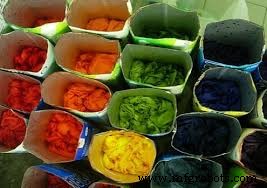
Colorants are no longer a luxury—they are essential to the everyday life we rely on for food, clothing, and shelter. Without them, the world would look dull, and many products would lose their appeal.
The textile industry is a prime example. From raw fibers to finished garments, a range of dyes—vat, acid, reactive, and basic—imbue fabrics with the vivid hues we associate with style and comfort. Vat dyes, in particular, are indispensable for cotton yarns that form denim, one of the most popular apparel materials worldwide. According to vat‑dye manufacturers, these dyes offer unmatched colour stability, natural composition, water insolubility, and a broad palette of shades. The enduring popularity of blue denim is a testament to the critical role of vat dyes and pigment blue, a fact confirmed by leading pigment blue manufacturers.
In the food and beverage sector, colour additives—whether natural pigments or engineered equivalents—play a pivotal role in consumer perception. A bright, consistent colour can signal freshness, flavor, and quality, while colour variations across seasons or packaging changes help maintain shelf life. Food colour manufacturers classify additives into two groups: those exempt from certification, such as naturally derived pigments from minerals, vegetables, or animals, and those requiring formal certification. Regardless of classification, every additive undergoes rigorous safety evaluations to meet strict governmental standards.
Regulation extends to all dye applications, including vat dyes. Key concerns include allergenic potential and effluent toxicity. To address these issues, the industry is increasingly adopting environmentally friendly reducing agents, yielding cleaner dyeing processes and reduced environmental impact. Ongoing research continues to push the boundaries, aiming for even more sustainable production methods without compromising performance or cost.
Dye
- How Extrusion Drives Precision in 3D Printing
- Applications of Basic Dyes Across Industries
- Vat Dyes: Benefits, Applications, and Industry Trends
- Pigment Red 112 Explained: Composition, Uses, and Impact on Seed Colouration
- Solvents in Herbal Extraction & Industrial Paints: Technical Insights
- Optical Sensors in Electronics: How They Work, Types, and Applications
- Ultra‑Thin Nano Coatings: Precise Colour Control via Sub‑20 nm Layering
- DARPA’s 5G Research Accelerates Commercial Applications
- Industrial Scrubbers Explained: Key Solutions for Effective Pollution Control
- Leading Robotic Innovations Transforming Food Processing