



Pigment Red 112 Explained: Composition, Uses, and Impact on Seed Colouration
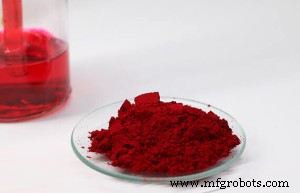
Color has always captivated humanity—both for aesthetic pleasure and practical applications. From ancient dyes to modern pigments, colorants have shaped commerce and industry for millennia.
Today, a vast array of synthetic dyes—such as basic, solvent, reactive, disperse, and acid dyes—complements a diverse pigment portfolio. Pigments follow a systematic naming convention: the first two letters denote the hue (e.g., “Red”), while the three‑digit number uniquely identifies the pigment. Pigment Red 112 is one of the most widely used organic pigments, prized for its vibrant hue and consistent performance.
Manufacturers of Pigment Red 112 emphasize its powder form, strong colour strength, and excellent light and chemical fastness. These attributes make it ideal for seed‑coating formulations, where colour consistency and durability are critical for crop identification and marketability.
In crop protection, pigments such as Red 112 serve as visual markers in pesticide, fungicide, and herbicide blends. They aid in product identification, reduce application errors, and help meet regulatory requirements. In fertilizer production, colourants are spray‑added during blending to create distinct, easy‑to‑recognise grades, ensuring correct application and compliance with safety standards. Importantly, Pigment Red 112 does not require a hazardous‑material label.
Beyond agriculture, Red 112 finds use in the ink industry—offset, letterpress, flexographic, and gravure inks—as well as in rigid PVC, industrial coatings, and decorative paints. It can also be blended with other pigments to generate a wide spectrum of shades, offering versatility across many sectors.
Because performance and reliability are paramount, sourcing from reputable manufacturers—those with proven quality systems, ISO certifications, and a track record of compliance—ensures that the pigment will deliver consistent results over time.
Dye
- How Premium Pigment Red Manufacturers Empower Modern Industries
- Pigment Red 170: Properties, Grades, and Key Applications in Coatings & Plastics
- Understanding Textile Dyes and the Dyeing Process
- Automotive Coatings & the Role of Pigment Red 170
- Understanding Basic and Direct Dyes: Their Impact on Cellulosic Fibers
- The Strategic Role of Food Colorants and Vat Dyes in Commercial Applications
- Pigment Printing: Benefits, Drawbacks, and Applications in Textile Manufacturing
- Industrial Pigments Explained: Types, Applications, and the Most Popular Choices Today
- Top Materials for 3D Printing: From Plastics to Biodegradable Options
- Understanding Corn Planters: Enhancing Seed Placement and Yield