



Pigment Printing: Benefits, Drawbacks, and Applications in Textile Manufacturing
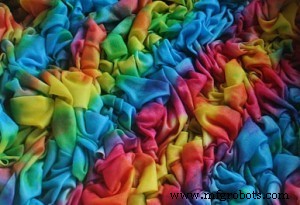
Pigment printing is a cornerstone of modern textile production, enabling durable, high‑contrast designs on a wide range of fabrics. The process involves applying pigment‑based inks—such as resistant pigments, solvent‑based dyes, and artist pigments—to textile fibers, where they form a stable, long‑lasting bond.
While pigment inks come in many formulations, the most common types include:
- Resistant pigment inks
- Solvent‑based pigment dyes
- Ink‑pigment blends for fine detail
- Specialized artists’ pigments for creative applications
These pigments are especially suited to cellulose fibers but also perform well on synthetic and specialty materials like glass fiber, PVC, and imitation leather.
Key Advantages
- Superior Colour Quality – Pigment inks deliver vivid, light‑fast hues that resist fading even after repeated laundering.
- Process Simplicity – The technique requires minimal post‑treatment; color matching is straightforward and errors are readily apparent for quick correction.
- Cost‑Effectiveness – High yield per run, reduced need for expensive machinery, and fast sampling contribute to lower production costs.
Versatile Applications
Pigment printing is used on natural fibers such as cotton and linen, as well as on synthetics like polyester and viscose. It is also common in specialty textiles for curtains, towels, and soft‑touch garments, providing a modern, high‑quality finish without excessive labor.
Potential Limitations
- Binder film control can be challenging, affecting surface finish.
- High cross‑linking in some inks may complicate handling during application.
- The viscosity of certain pigment formulations can place additional strain on rollers.
- Direct application to fabric is usually not possible; binders are required, which can create a slight coating on the textile.
- Re‑printing over an initial pass may not reproduce the exact color depth, limiting multi‑layer designs.
Despite these considerations, pigment printing’s unmatched color durability and cost advantages make it a popular choice for a broad spectrum of textile products. Whether you’re producing high‑end apparel or everyday household textiles, pigment printing offers a reliable, efficient solution for achieving lasting, striking designs.
Dye
- Hybrid Cloud: Advantages, Disadvantages, and How to Choose the Right Strategy
- Public Cloud: Benefits, Risks, and Key Considerations
- Private Cloud: Advantages, Disadvantages, and How It Protects Your Business Data
- Multi‑Cloud Computing: Advantages, Challenges, and Best Practices
- Lathe Machines: Pros, Cons, and Practical Applications
- Industry 4.0: Benefits, Risks, and Implementation Challenges
- AI: Benefits, Risks, and Industry Impact
- Graphene: The Ultra‑Strong, Ultra‑Conductive Carbon Layer Changing Technology
- Benefits & Drawbacks of 3D Printing in Mold Fabrication
- Fused Deposition Modeling (FDM): Benefits, Drawbacks, and Practical Insights