



Markforged 3D Printing: The Secret Weapon Behind BattleBots Team Valkyrie
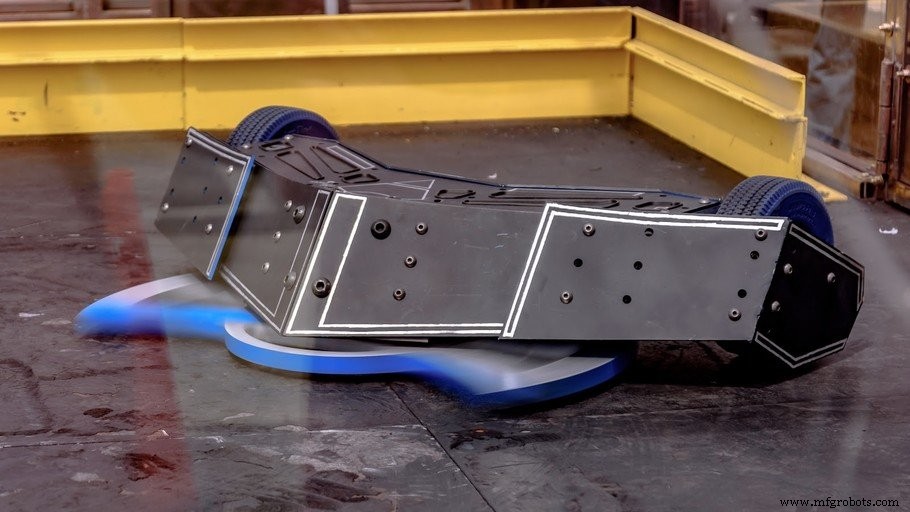
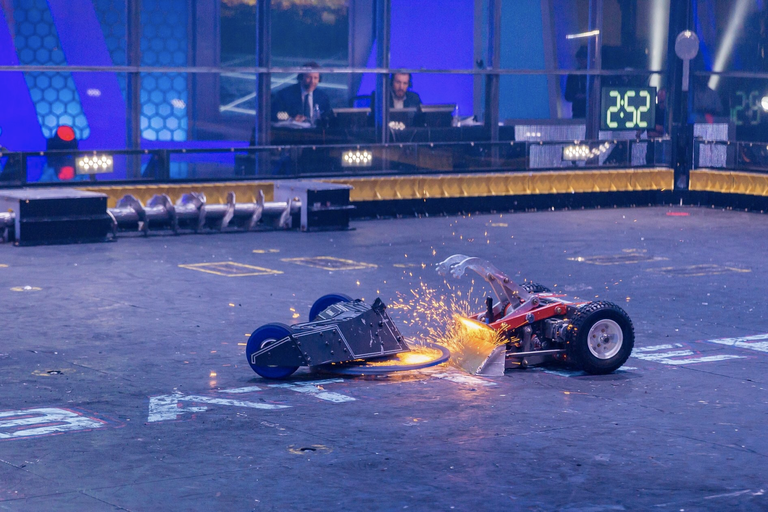
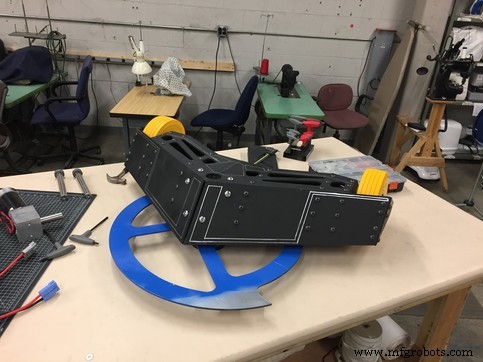
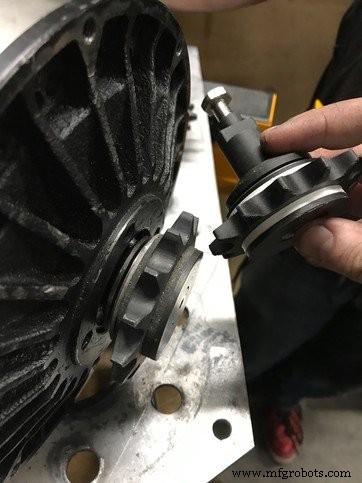
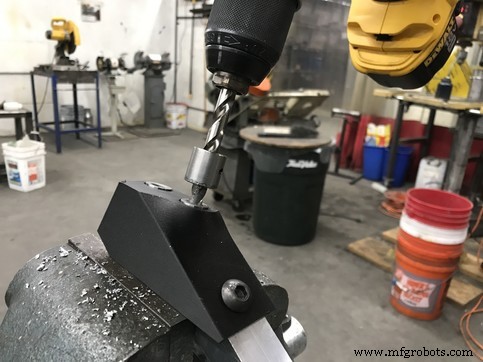
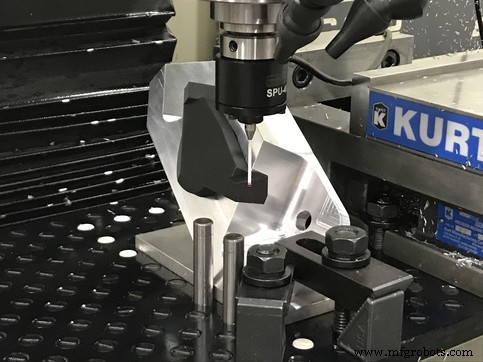
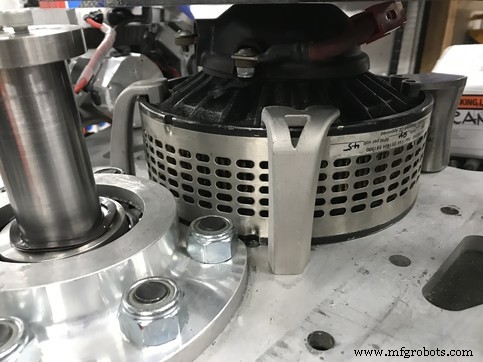
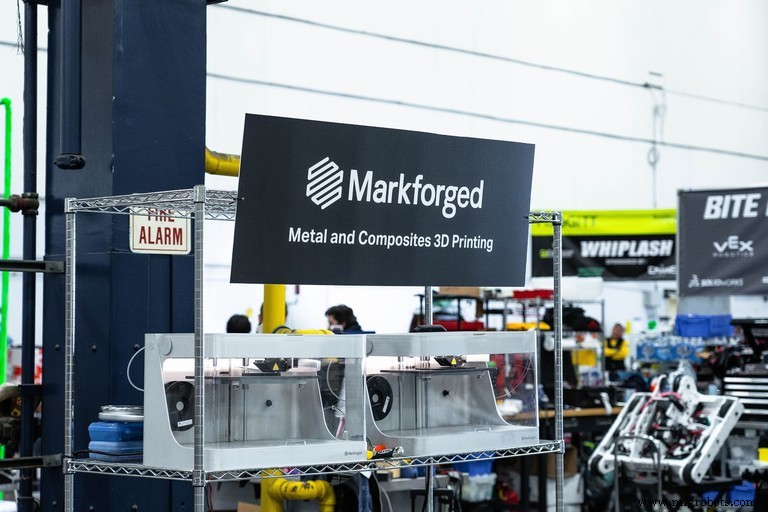
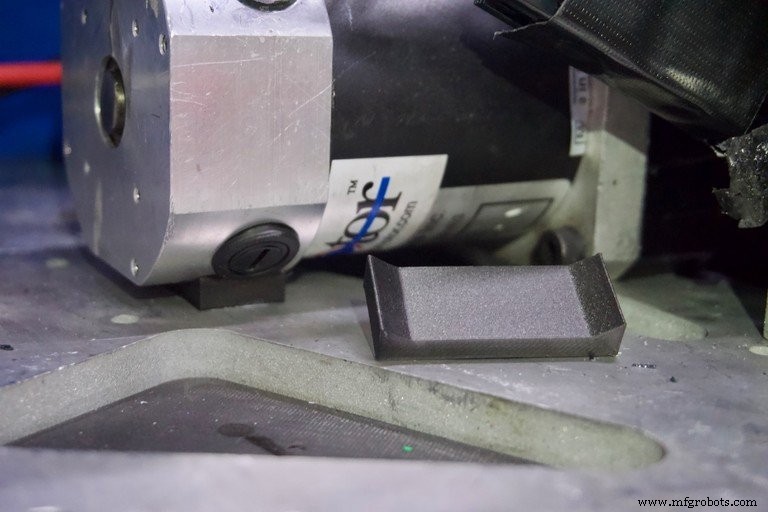
BattleBots is a televised competition where engineering teams build 250‑lb remote‑controlled robots that duke it out in a high‑impact arena known as the BattleBox. First airing on Comedy Central in 2000, the series has grown into a global phenomenon, inspiring thousands of amateur contests each year that range from 150 g to 250 lb robots. The latest season premiered on Discovery Channel Friday, June 7th at 8 p.m. EST. Designing a BattleBot is a constant exercise in compromise. Every class imposes a strict weight limit, forcing teams to decide where to allocate the budget: heavier weapons for bigger impacts, thicker armor for better defense, or more powerful electronics for speed and endurance. I entered the robot‑fighting community in 2016 with a one‑pound prototype named Foiled, a test platform for Markforged parts. Over the next three years I competed in more than 15 events, scaling from 1 lb to 30 lb and eventually earning a spot on BattleBots’ 2018 season with team Valkyrie. When robots grow to 250 lb, the stresses they endure are extreme—being tossed 12 ft into the air, crushed by 35,000 lb of force, or struck by a 60‑lb disc spinning at 2,000 RPM. Valkyrie’s weapon, for example, is forged from AR500 steel—the same material used in snow plows and armored vehicles. Each material choice carries cost, weight, and manufacturing time, so finding the right balance is crucial. Markforged’s 3D printers offered a versatile material palette that matched every component’s specific requirements. We printed shock‑resistant Kevlar® enclosures for electronics, lightweight parts that rivaled aluminum in strength, and geometry‑optimized metal brackets that fit into tight spaces. These prints saved weight while maintaining or exceeding the performance of traditionally machined parts. With only weeks to prepare for the season, fast, automated manufacturing was a game‑changer. By outsourcing parts to the printers, we freed up time for welding, machining, testing, and assembly—and even earned a few extra hours of sleep. As a relatively new team, rapid iteration was essential to compete with veterans. In 2019 we printed over 200 parts for Valkyrie, covering four critical areas: Valkyrie’s sleek design features numerous complex geometries that must fit together precisely. We printed each part, installed it on the robot, and verified fit before committing to mass production. Complex contours and compound angles required custom workholding. We 3D‑printed soft‑jaw saw guides, drill jigs for precise hole alignment, and indexing fixtures to streamline machining operations. Valkyrie incorporates 55 3D‑printed components, 12 of which are metal brackets and supports that interface with armor or motors. Nine Onyx FR parts shield critical components from potential flamethrower damage, while 34 continuous‑fiber‑reinforced pieces serve as shock‑resistant casings, dust covers, and structural supports that keep the robot functional during intense bouts. Thanks to Markforged, we could offload heavy manufacturing, focus on critical tasks, and create robust parts that withstood the 2018 season’s demands—only one component failed throughout all matches. No BattleBot design is flawless; the only way to refine a robot is through battle experience. Unexpected failures are common, and the best teams quickly learn from each fight. Some fixes are improvised on the fly, while others are documented for future iterations. During the season, Markforged supplied four printers to support 67 competing teams. With a 1–2 day turnaround between matches, teams could identify issues, design replacements, print them, and install upgrades before the next fight. Across 29 teams, we printed over 160 parts, enabling lasting improvements rather than temporary fixes and allowing robot performance to evolve over the season. Markforged’s 3D printing capabilities were pivotal in pushing Valkyrie’s design to its limits. Rapid iteration, rigorous testing, and high‑quality parts allowed us to create a powerful, sleek robot that could adapt and improve with each battle. Catch BattleBots on Fridays at 8 p.m. on Discovery Channel starting June 7th, or Wednesdays at 8 p.m. on the Science Channel beginning June 12th.Download our free Buyer's Guide
Free sample part
Prototyping
Tooling and Fixturing
End‑Use Parts
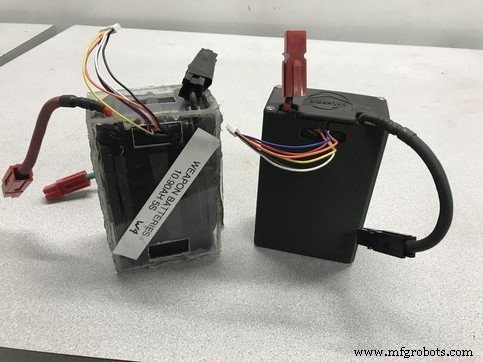
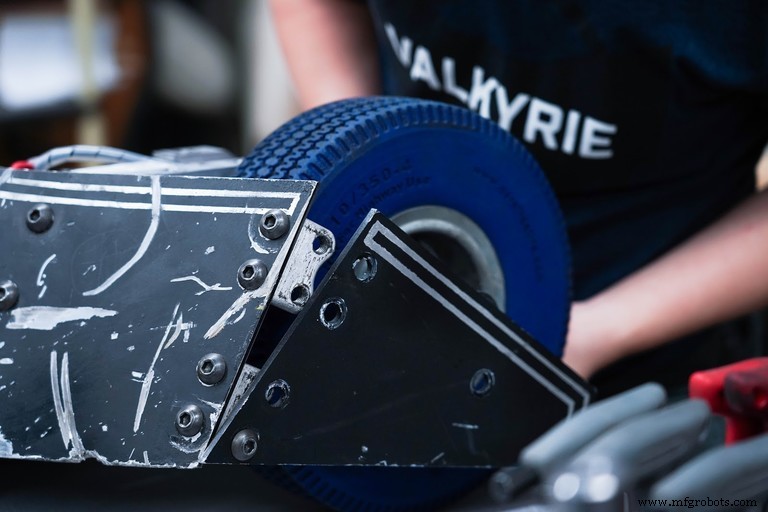
On‑Site Repairs and Improvements
3D printing
- How to Care for Titanium Pans: Expert Tips for Longevity and Performance
- Top 7 Manufacturing Trends Shaping 2020 and Beyond
- Key Criteria for Selecting Dyes in Inkjet Printing
- Introducing Ultem 1010 & ASA: Advanced FDM Materials for Stratasys Fortus Printers
- Stratasys Achieves Pantone® Validation: Elevating Color Accuracy for J750 & J735 3D Printers
- Calculating ROI for Metal 3D Printers: A Practical Guide
- Markforged 3D Print Farm: 25 Machines Delivering 10,500 Parts Monthly with 92% Yield
- Markforged Mark Two: Revolutionizing STEM Education Through Advanced 3D Printing
- Best 3D Printers for Beginners – Updated 2022 Guide
- Explore Resin Types & Their Applications for 3D Printers