



Top 7 Manufacturing Trends Shaping 2020 and Beyond
As 2019 ended, we celebrated a decade of transformative tech. From the dawn of smartphones to today’s ubiquitous smart assistants, the pace of change has been relentless.
Manufacturing is no exception. While the end products—cars, electronics, appliances—remain familiar, the way they’re built is rapidly evolving. The driving force behind this shift? Convenience. Customers demand faster delivery, higher quality, and greater transparency, and manufacturers must rise to meet those expectations.
Below are the seven trends that will shape manufacturing in 2020 and beyond. Whether you’re a plant manager, engineer, or supply‑chain strategist, understanding these forces can give you a competitive edge.
1. Industry 4.0 Gains Momentum
Industry 4.0 is the industry’s answer to digital disruption. By integrating big data, analytics, and automation, it promises smarter, more flexible production lines. Although full adoption will take time—and significant capital investment—incremental implementations are already proving ROI for early adopters.
2. Robots—More Intelligent, Safer, and Collaborative
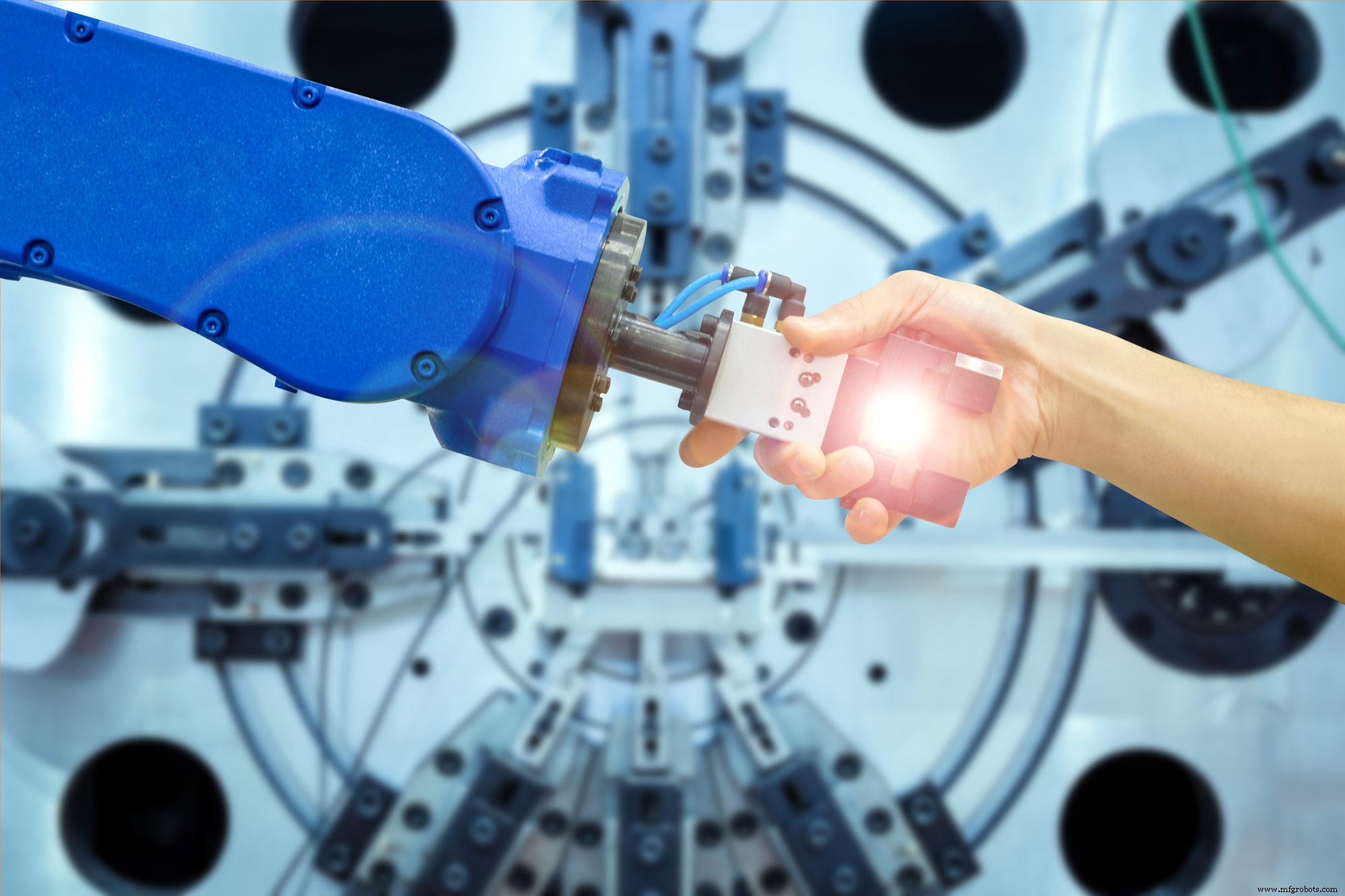
Robotics isn’t new, but recent advances in sensors, AI, and mobility are turning robots from isolated workhorses into collaborative partners. They now handle inventory, assembly, and machining with higher precision, freeing human workers for higher‑value tasks.
3. Wearable Technology
Wearables extend the digital edge into the human body. Smartwatches, AR headsets, and smart glasses deliver real‑time data at a glance, improving situational awareness and reducing downtime.
4. Customer‑Centric Transparency
With Industry 4.0 data streams, customers can track production status in real time. This transparency drives higher expectations for quality and reliability, pushing manufacturers to optimize processes continually.
5. Virtual and Augmented Reality
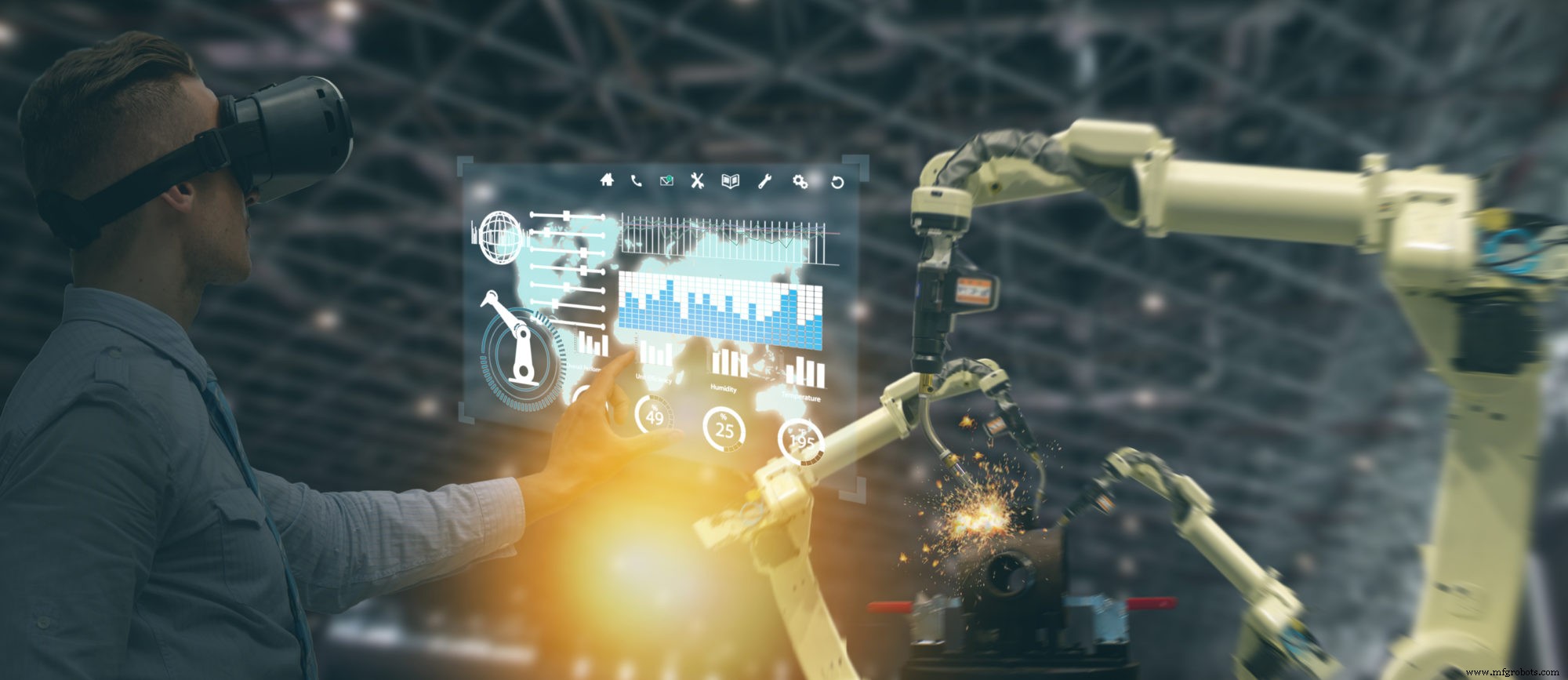
VR and AR are finally living up to their promise, especially in training and maintenance:
- Immersive training – Simulated environments allow workers to practice complex tasks without risk.
- Remote maintenance – Technicians can guide on‑site staff through repairs via AR overlays.
- Process insight – Real‑time visualizations uncover inefficiencies and enable predictive maintenance.
6. Persistent Skills Gap
Even as VR/AR bridge some gaps, the rapid evolution of tools—3D printing, 3D scanning, robotics—continues to outpace workforce skills. Ongoing training and upskilling are essential to stay competitive.
7. Cybersecurity for Connected Factories
Every connected device is a potential entry point for cyber threats. Manufacturers must embed robust security protocols—from network segmentation to real‑time threat detection—into their digital ecosystems.
Adopting even a subset of these trends can transform plant efficiency and elevate maintenance practices. If you’re ready to future‑proof your operations, contact us to explore how these technologies can work for you.
Equipment Maintenance and Repair
- Top 5 Flexible Manufacturing Systems to Drive Speed and Quality
- Top 5 Cloud Skills in Demand for 2024
- Smart Manufacturing 2021: 10 Emerging Trends Reshaping Production
- 2020 Manufacturing Skills Gap: 10 Essential Technical Skills Employers Seek
- 10 Key 3D Printing Trends Driving 2020 Innovation
- Manufacturing Trends for 2021: Cloud, AI, 3D Printing, Blockchain, Cobots & RTLS
- Top 4 IIoT Trends Driving Manufacturing Innovation in 2020
- Future-Proofing: Key IoT Trends to Watch Beyond 2020
- Top Manufacturing Trends to Watch in 2018
- Top 3 Digital Manufacturing Trends Shaping 2020