



Top 5 Flexible Manufacturing Systems to Drive Speed and Quality
Flexible manufacturing systems empower plants to respond to design changes, order fluctuations, and market shifts with minimal cost. By enabling rapid changeovers, machine cells can handle diverse tasks and provide built‑in redundancy when output demands spike.
For mid‑tier mass producers, high‑mix operations, and firms pursuing mass customization, these systems translate into quicker go‑to‑market times and reduced inventory, all while keeping the existing production footprint intact.
Below are five proven technologies that almost any manufacturer can integrate to unlock this agility.
Autonomous Mobile Robots (AMRs)
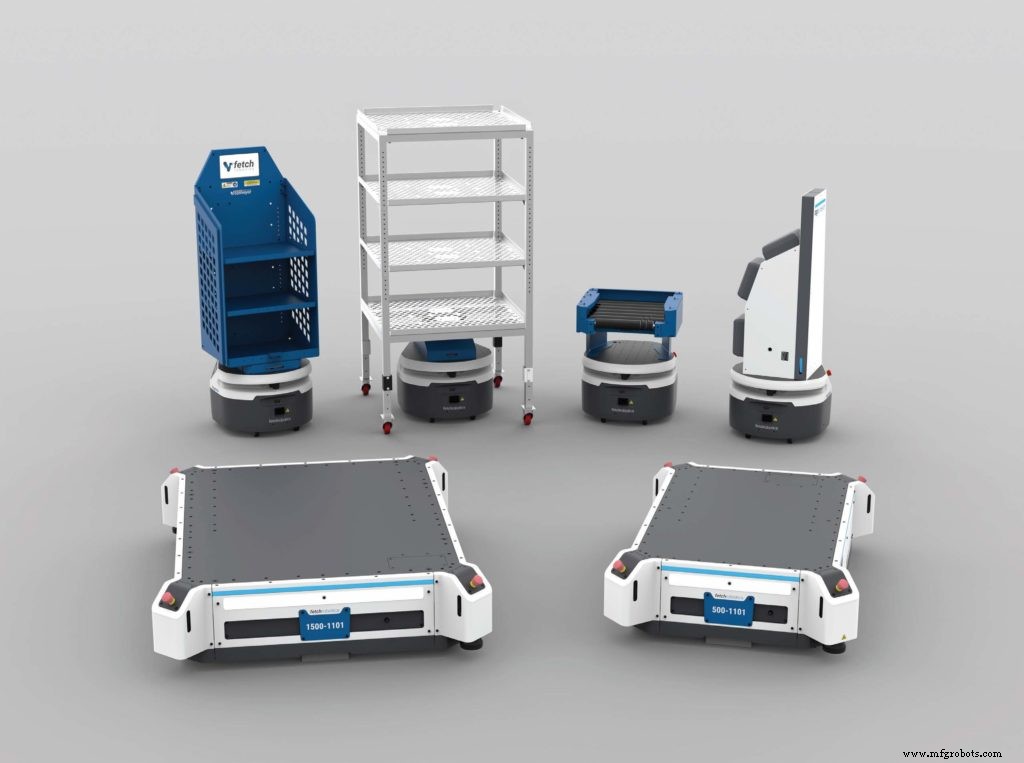
AMRs navigate factory floors autonomously, routing themselves from cell to cell at the push of a button or tap of a screen. Unlike traditional conveyor systems, they eliminate bottlenecks caused by fixed pathways, freeing valuable floor space and reducing the need for manual handling.
Manufacturers report up to a 30% reduction in material handling labor and a 20% increase in throughput when AMRs replace manual carts or fixed conveyors. Because AMRs operate at lower speeds in controlled environments, they have a lower safety risk and can be deployed quickly with minimal disruption.
Integrated CNC Machining
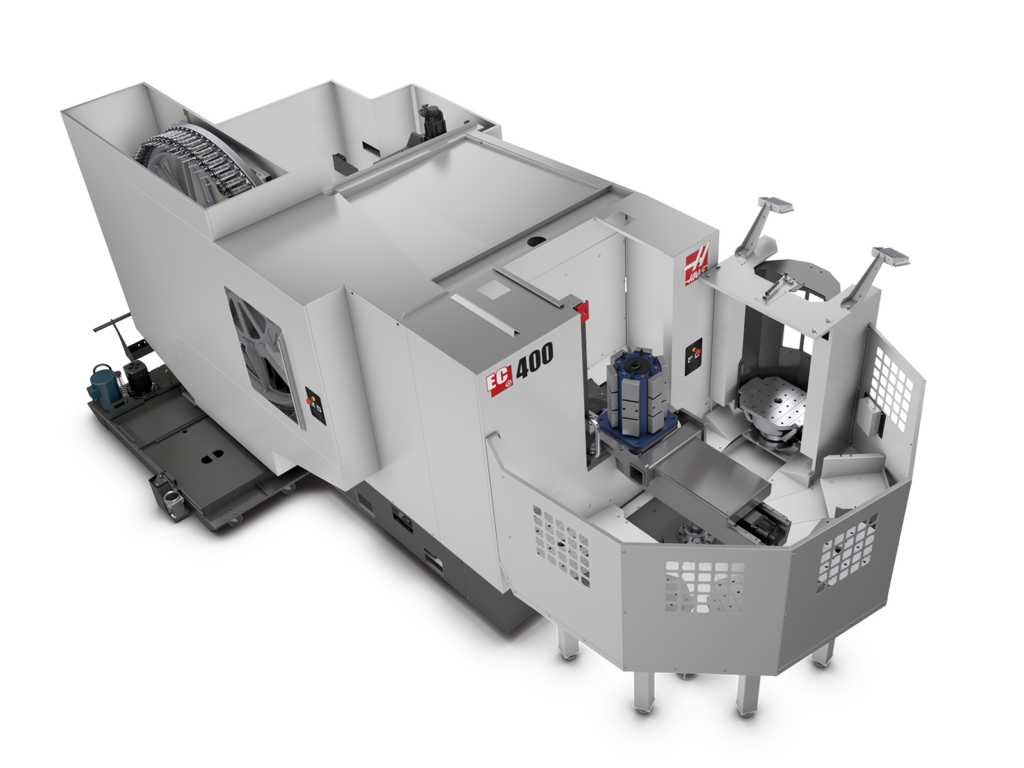
Modern CNC machines are more than just programmable tools; they are data‑centric engines that can adapt on the fly. By integrating machine‑to‑machine communication and real‑time job scheduling, manufacturers can cut changeover times from hours to minutes.
Robotic tending and sensor‑guided setups further streamline the workflow, allowing a single cell to handle multiple part families without human intervention. According to Fastems, integrated CNC cells can boost overall equipment effectiveness (OEE) by 15–25%.
Container‑Based Industrial Control
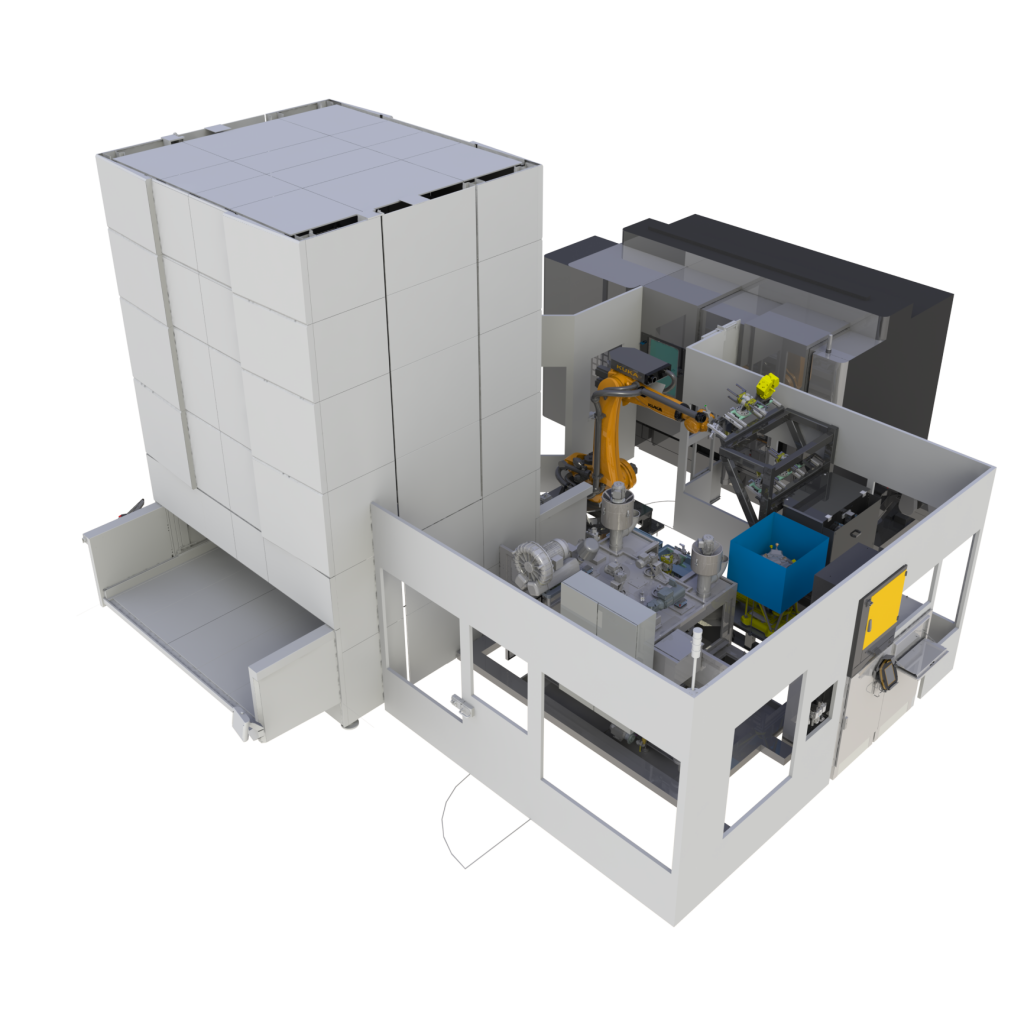
Segmenting processes around specific part configurations—often called containerization—ensures that each batch receives the exact tooling, parameters, and quality checks it requires. This method eliminates the “one‑size‑fits‑all” approach that can lead to costly re‑runs.
By adopting pallet pooling and flexible containers, manufacturers can reduce changeover times by up to 40% and keep critical components out of the way when not in use, as demonstrated by Haas CNC in high‑mix environments.
Buffer Storage
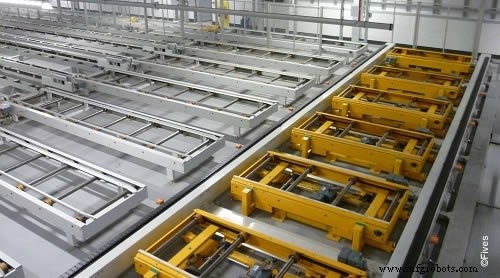
Strategically placed buffer zones convert a push‑based system into a pull‑based one, ensuring that downstream cells receive materials exactly when they’re ready. Vertical storage solutions further maximize space in high‑ceiling, single‑floor plants.
According to Fives, buffer storage can improve material flow efficiency by 20% and reduce idle time for heavy‑duty machines, leading to faster customer deliveries.
Autonomous Skilled Robots
Beyond transport, autonomous robots can perform complex, high‑precision tasks—such as spray coating, powder finishing, and sandblasting—without pre‑programming or jigging. Omnirobotic’s Shape‑to‑Motion™ technology enables existing industrial robots to see parts, plan unique motions, and execute finishing processes on the fly.
This capability reduces setup times by up to 70% and allows manufacturers to add new part families with negligible incremental costs. In an era of skilled‑worker shortages, autonomous skilled robots not only boost productivity but also free human talent for higher‑value activities.
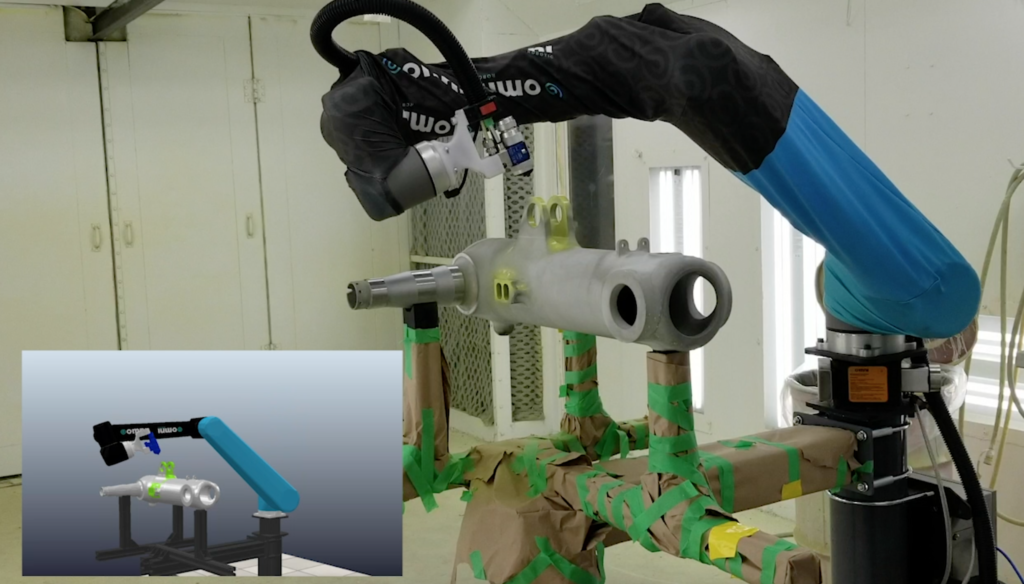
Omnirobotic provides Autonomous Robotics Technology for spray processes, enabling industrial robots to see parts, plan their own motion program, and execute critical industrial coating and finishing processes. See what kind of payback you can get from it here.
Industrial robot
- Designing Adaptive Manufacturing Systems for Industry 4.0: Leveraging IIoT and RTI Connext
- Top 5 Proven Clean Manufacturing Systems That Drive Sustainability and Profitability
- Autonomous Manufacturing: Revolutionizing Production Efficiency and Workforce Empowerment
- Top 7 Manufacturing Trends Shaping 2020 and Beyond
- Top 6 Ways Robots Revolutionize Automotive Manufacturing
- Top 10 Manufacturing Innovations Driving Industry Growth
- Top 10 AI Platforms Transforming Manufacturing
- Leading 8 Industrial Manufacturing Blogs: Insights & Trends
- Mastering Manufacturing Automation: Strategies, Benefits, and Industry 4.0 Insights
- Robotic Automation Drives Alaska's Manufacturing Growth