



Robotics: The Key to Reducing Risk in Industrial Capital Expenditure
Industrial capital expenditures are notoriously hard to assess. They represent large, one‑time commitments that can strain cash flow or increase debt. Their value hinges on fluctuating demand, labor and material costs, and the uncertain resale potential of specialized equipment.
Because of these uncertainties, firms often lean toward variable production costs that can be cut quickly if demand drops. Consequently, the assets that do reach the plant floor are typically the most strategically valuable—those that promise clear, measurable returns.
When evaluating potential CapEx options, consider three critical factors: 1) the asset’s liquidity and ease of resale, 2) its versatility across multiple production needs, and 3) how quickly it can drive value into the core business model. Modern industrial machinery is increasingly adaptable, opening new avenues for flexible, risk‑mitigated investment.

Property & Plant
Property and plant expenses are both essential and risky. Real estate and facilities are non‑fungible assets that can be difficult to dispose of, limiting recovery if profitability wanes. Manufacturers typically wait for significant demand surges before committing to new facilities, making these investments highly sensitive to the business cycle.
Equipment & Specialized Machinery
Cell‑based equipment and specialized machinery—such as laser cutters, press brakes, or deep‑welding units—are often process‑specific and less transferable. These machines can cost hundreds of thousands to millions of dollars. Their resale value depends on market demand; specialized tools usually command a narrower secondary market.
Depreciation typically follows a 20% markdown in the first year, then 10% annually, over an effective life of 10–15 years. A clear payback case is essential, given limited resale flexibility and potential wear from intensive use.
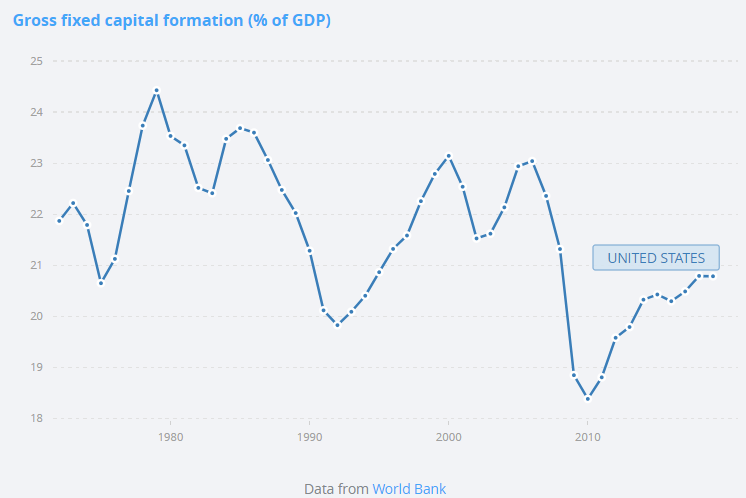
Robotics and Fungibility
Robots often follow a similar depreciation schedule to CNC machines, but many vendors—such as FANUC—offer extended support contracts (up to 25 years). Even robots over 40 years old remain operational. Their broader application range and established resale markets make them less risky than specialized equipment.
Robots deliver high output with lower capital intensity, enhancing cash flow relative to traditional CapEx. The overall productivity from robotics investments significantly reduces the risk profile of an industrial firm’s capital structure.

Making Your Business CapEx‑Fluid
Integrating robotics reshapes a company’s capital structure. The more processes a robot can handle, the lower the overall risk and the greater the operational flexibility.
Omnirobotic’s Shape‑to‑Motion™ Technology enables any industrial robot to perform surface spray and non‑contact finishing—painting, sandblasting, powder coating—without manual programming or jigging. Powered by 3D vision and AI, the robot plans and executes the entire motion sequence autonomously, allowing operators to focus on oversight and safety.
This process and robot‑agnostic approach expands CapEx flexibility. As more firms adopt the technology, new applications emerge, further reducing risk and enhancing product quality.
Omnirobotic provides Autonomous Robotics Technology for Spray Processes, allowing industrial robots to see parts, plan their own motion program and execute critical industrial coating and finishing processes. See what kind of payback you can get from it here.
Industrial robot
- Industrial Robotics 101: Master the Basics of Automation
- Accelerate Production: How Industrial Robots Slash Cycle Times in Machine Tending
- 5 Essential Industrial Maintenance Tips to Cut Downtime Costs
- Modern Industrial Robots: Transforming Production & Quality
- When Robots Build Robots: The Future of Industrial Automation
- Unlocking Industrial Robot Potential: Efficiency, Precision, and Versatility
- Eco‑Friendly Robots: Revolutionizing Sustainability in Industry
- Unlocking the Power of Robotics: Key Benefits for Modern Industries
- How Industrial Robots Drive Productivity Gains
- Top 5 Unconventional Industrial Robots Revolutionizing Manufacturing