



How Industrial Robots Drive Productivity Gains
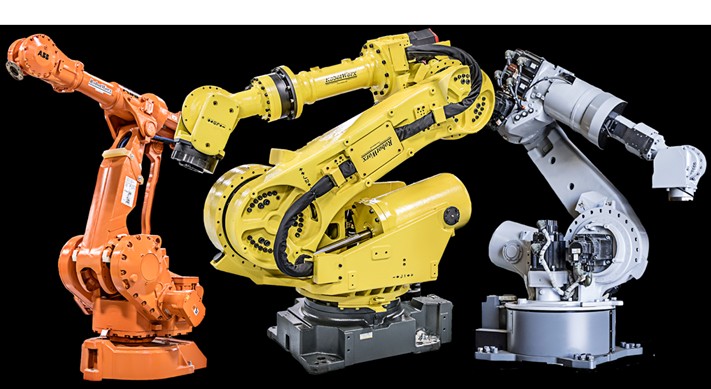
The most sophisticated piece of machinery on the floor of any manufacturing facility is likely to be robotic. Robots have been used in assembly lines, particularly by the automotive industry, ever since they first became practical. These machines are designed so that they can perform a particular task repeatedly without ever taking a break. It is not uncommon for some manufacturers to run their robots 24 hours a day, seven days a week, stopping only for occasional maintenance. The single greatest benefit that industrial robots have brought to the table is the ability to deliver consistent results every single time.
The fact that industrial robots can be counted on to deliver excellent results on a consistent basis is one of the primary reasons that so many manufacturers have begun implementing these machines in different manufacturing applications. Painting is one area where industrial robots really shine. Robots designed for this particular task deliver results on par with the most skilled human worker and they do the job in a fraction of the time. Since robots do not get tired, they never slow down and never need a break. Once they have been programmed for a particular job, the machines will work with lightning fast speed and incredible efficiency.
Industrial robots are also popular in welding applications. The ability to deliver a perfectly welded seam every single time and in less time that would take even the most experienced human means the manufacturers can ramp up production without having to worry about quality slipping. Another benefit to adding industrial robots to a manufacturing facility is the fact that many of the jobs that robots do are dangerous for humans to perform. The fact is, people are a lot more fragile than machines and an accident that could seriously injure or even kill a human would only scratch a robot.
When it comes to adding industrial robots to a company's production line, it is usually a good idea to start out with a used machine. Refurbished robots can be purchased for a lot cheaper than a brand-new unit. Reconditioned machines perform as well as they did the day they rolled off the factory floor but their lower cost means that they are entry-level units for companies interested in getting their feet wet in the use of robotics. There is no doubt that adding an industrial robot can speed up production, keep workers safe, ensure higher-quality results, and save a company money over time.
Industrial robot
- Robotics: The Key to Reducing Risk in Industrial Capital Expenditure
- Industrial Robotics 101: Master the Basics of Automation
- Boost Profitability and Productivity with Advanced Industrial Welding Robots
- Jackson, Michigan: Premier Plating & Pump Services for Automotive Manufacturing
- Unlocking Industrial Robot Potential: Efficiency, Precision, and Versatility
- Eco‑Friendly Robots: Revolutionizing Sustainability in Industry
- Unlocking the Power of Robotics: Key Benefits for Modern Industries
- Press‑Tending Robots – Boosting Productivity and Enhancing Workplace Safety
- Elevate Metal & Machining Productivity with Universal Robots' Collaborative Arms
- Top 5 Unconventional Industrial Robots Revolutionizing Manufacturing