



Markforged Mark Two: Revolutionizing STEM Education Through Advanced 3D Printing
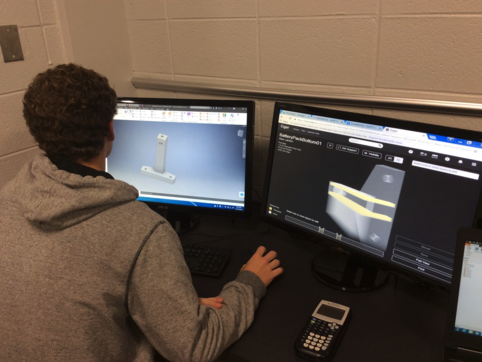
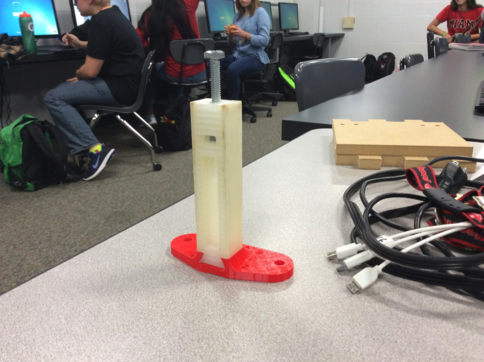
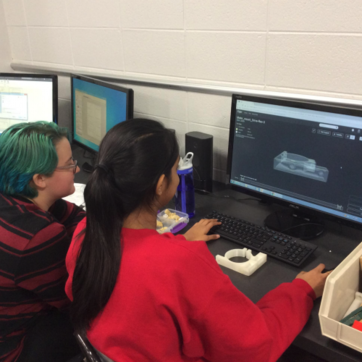
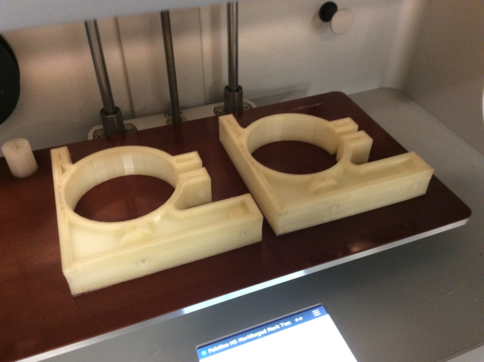
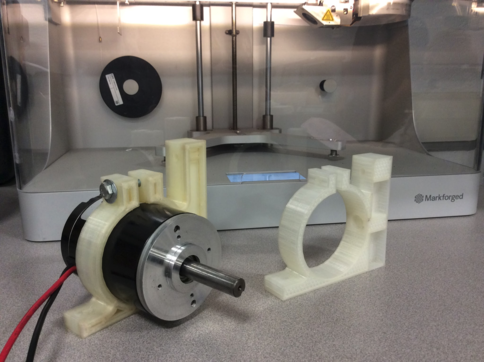
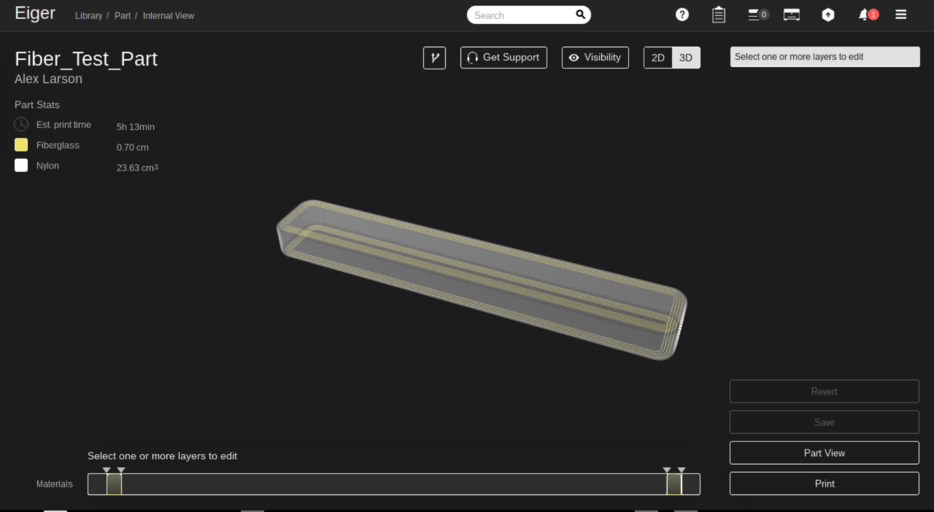
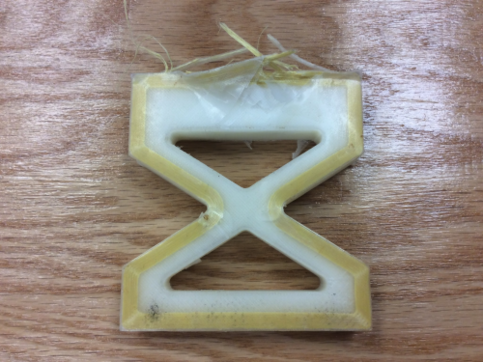
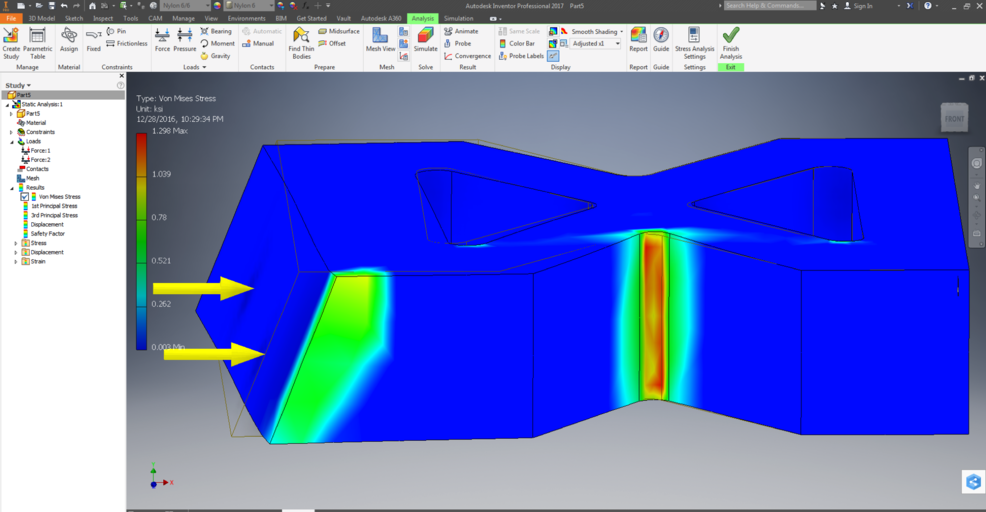
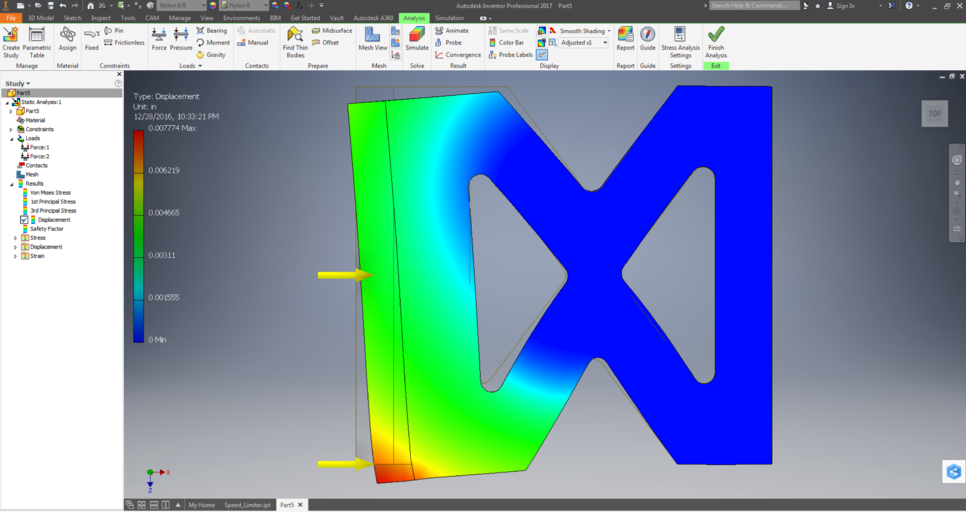
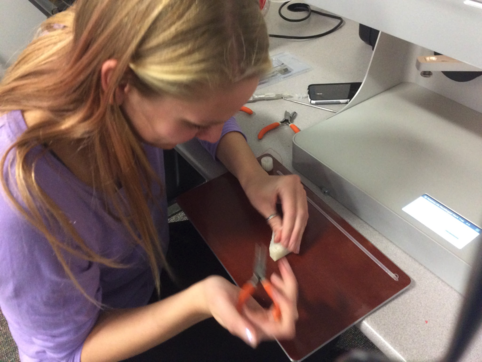
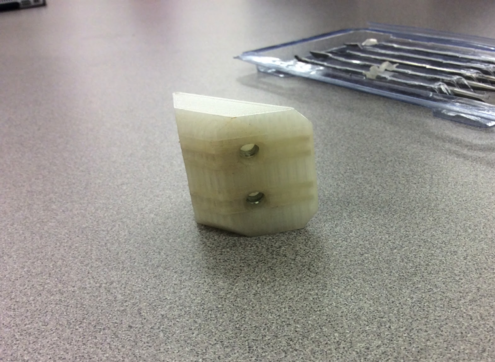
Editor’s Note: Alex Larson, Applied Technology teacher at Palatine High School, has led Project Lead the Way (PLTW) courses for nine years. PLTW delivers a STEM‑centric curriculum from kindergarten through grade 12, equipping students with the skills needed for success in engineering and related fields. For the past decade, my classroom has integrated 3D printing to enrich hands‑on learning. Our district’s early investment in 3D printers was driven by a clear vision: empower students with the tools that mirror the industry’s shift toward additive manufacturing. As the industry grows, educators like us are discovering new ways to leverage these technologies to spark curiosity and build competence. Across K‑12, STEM curricula now routinely incorporate 3D printing. Schools use printers for rapid prototyping, creating moving parts, and visualizing complex concepts. However, the dominant school material—PLA—limits structural performance, confining projects to low‑load parts. Consequently, functional designs that demand durability are rare in traditional classroom settings. One of my students’ first encounters with the Markforged slicer, Eiger, involved designing a mount for two 6‑lb batteries that would absorb significant jarring during use. The mount is a critical component of one of three combat robots the team is building. With the Markforged 3D printer, the conversation shifted from “What is the optimal print orientation for speed?” to “Where should fiber be placed to maximize strength?” This dialogue progressed to rethinking the entire part so that fiber could be strategically positioned in all required directions. The finished part—shown below—includes a PLA test print (red) to confirm fit before the final Mark Two build. Had we relied on our CNC mill, the design would have been vastly different, and students would have spent days setting up tooling and fixturing. With the Mark Two, rapid iteration is possible overnight, slashing development time from multiple class sessions to a single print run. In a school setting where space and cost often constrain large‑scale machining, the Mark Two offers a unique, accessible alternative. In another project, two students engineered a motor mount that must withstand structural loads while remaining easily accessible for maintenance. Initial attempts with ABS failed quickly. After three CAD iterations and one fiberglass‑reinforced print, they encountered an assembly issue—an impossible fastener placement. Leveraging the Mark Two’s flexibility, they redesigned the part and completed a new print within 48 hours, achieving the required strength and accessibility. Selecting equipment for our labs required balancing quantity against capability. While more printers would handle higher print volumes, we chose the Mark Two to push students beyond conventional PLA projects. The technology’s novelty sparked genuine interest: students were astonished by the availability of Kevlar, carbon fiber, and other advanced composites. They quickly linked these materials to their PLTW lessons on moment of inertia and sandwich panel design. We began with a simple nylon bar and a default fiberglass version, then expanded to Kevlar. The hands‑on experience allowed students to correlate the Markforged website’s material data with real‑world performance. This tangible connection deepened their understanding of material science. In a subsequent project, students printed an impact‑absorbing brace for a robot and performed a partial test to validate their finite‑element analysis (FEA). The FEA, which applied 100 lb of force to the edge and face of a nylon part, predicted peak stress in a red‑lined area. In practice, the brace survived eight heavy swings with a 32‑oz. ball‑peen hammer—approximately five times the force forecasted—before delamination occurred. The results challenged their assumptions and guided a redesign that balanced stiffness and compliance. Through these experiments, students gained firsthand insight into how material choice drives design decisions—a skill rarely encountered at the high‑school level. They also learned to design with additive manufacturing in mind, incorporating embedded fasteners and captive nuts to enable quick disassembly of robotic components. Education should shape the next generation of innovators. By equipping students with cutting‑edge additive manufacturing tools, we give them the power to design objects that were once unimaginable. While CNC and injection molding remain valuable, the transformative potential of 3D printing—especially with fiber‑reinforced composites—offers a richer, more versatile learning experience. The Mark Two has broadened our students’ horizons in material science and part design, adding depth to their understanding of additive manufacturing’s current and future possibilities. If you’re curious about how a Markforged printer could elevate your classroom, request a demo today.3D Printing in Education
Markforged Mark Two in the Classroom
Lessons Learned and Moving Forward
STEM Education for the Future
3D printing
- Debunking 3D Printing Myths: What the Technology Truly Can Do
- Markforged Elevates Drone Performance with Carbon‑Fiber 3D Printed Parts – Part 1
- Five Essential Commandments for Flawless 3D Printing on the Markforged Mark One
- The ABCs of 3D Printing: How Additive Manufacturing is Shaping Modern Industry
- Harnessing 3D Printing in Higher Education: Benefits, Case Studies, and Resources
- Unlocking Innovation: The Key Advantages of 3D Printing in Modern Manufacturing
- Revolutionizing Learning: The Impact of 3D Printing in Education
- How 3D Printing Will Transform Manufacturing in the Next Decade
- How 3D Printing is Revolutionizing Modern Manufacturing
- 4D Printing: Revolutionizing Additive Manufacturing for Adaptive Solutions