



Markforged Elevates Drone Performance with Carbon‑Fiber 3D Printed Parts – Part 1
At Markforged, drone enthusiasts are a vital part of our team, and we’re thrilled to share an internal project that showcases the power of our Mark Two printer. Over the past month, we’ve upgraded a 3DRobotics IRIS+ quadcopter with carbon‑fiber‑reinforced 3D printed components that are both lighter and stronger than the original parts. Our goal is to push the limits of performance and see how high we can take flight.
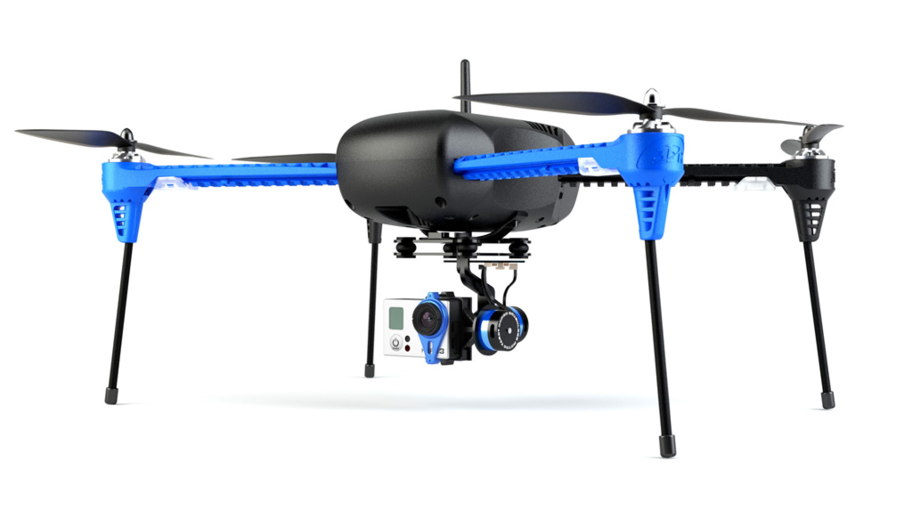
This isn’t the first time Markforged parts have helped a carbon‑fiber drone soar. Earlier, our Snotbot research project used Kevlar‑reinforced landing gear, and one of our engineers printed a racing drone. What makes this project special is that the IRIS+ platform is large enough for the carbon‑fiber‑reinforced parts to deliver a significant strength advantage over traditional plastics.
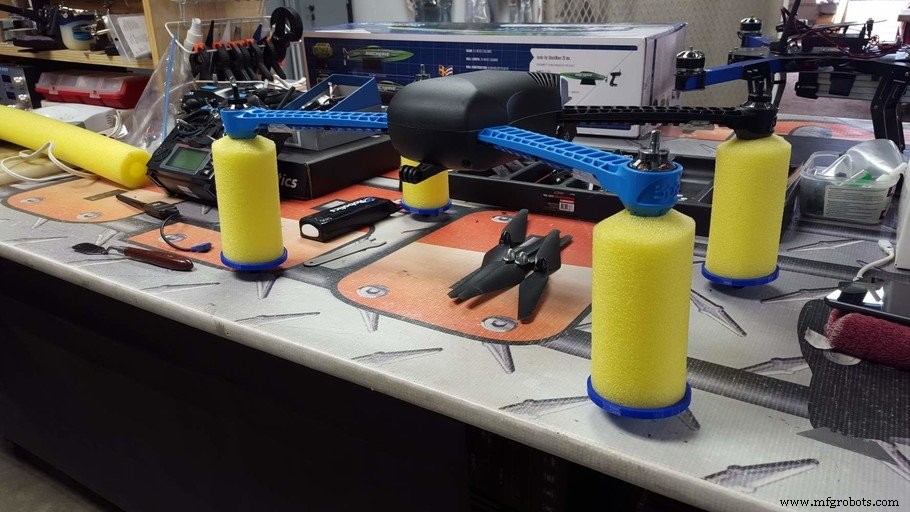
In early March 2016, 3DRobotics released open‑source STL files for the IRIS+ on MyMiniFactory.com, inviting anyone with a 3D printer to innovate. Since then, the community has exploded with accessories and performance upgrades—pontoon floats for water landings, FPV mounts, and more. The timing was perfect for us to leverage the Mark Two’s high‑strength carbon‑fiber printing capability.
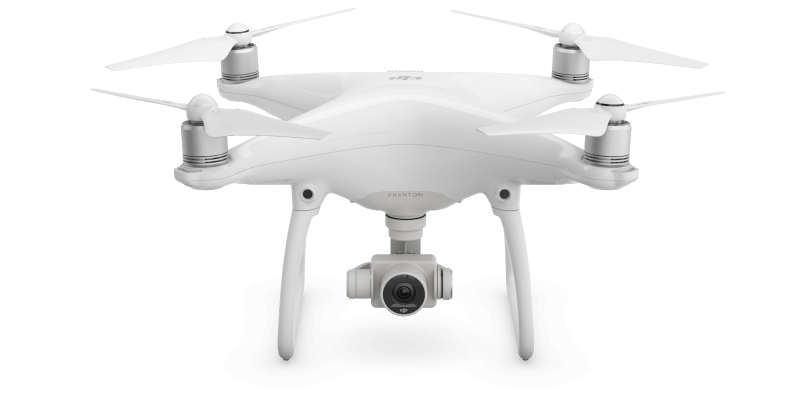
Many affordable quadcopters today use injection‑molded casings that double as the drone’s superstructure. While this keeps costs low, it creates a design that is difficult to 3D print—requiring excessive support material and long build times. The IRIS+ open‑source release allowed us to experiment with a sandwich‑panel construction that Markforged printers excel at, achieving a superior strength‑to‑weight ratio.
We’ve already printed prototypes of carbon‑fiber‑reinforced arms, adapted from the stock IRIS+ design by Kirby Downey. Early data shows a 15% weight reduction compared to the original arms, which should translate into longer flight times and improved agility. We’ll be conducting flight tests over the next few weeks and will share detailed results and lessons learned.
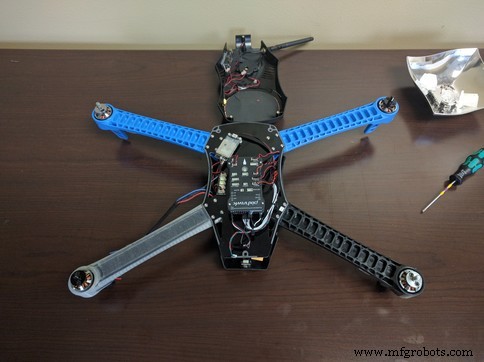
Stay tuned for our build log series as we document the full build process, from design tweaks to flight trials. This is just the beginning of what the Mark Two and the IRIS+ platform can achieve together.
Want to see what a Markforged printer can do for your projects? Request a demo today!
3D printing
- 5 Proven Strategies for Selecting the Best Carbon‑Fiber Part Manufacturer
- Top 3 Manufacturing Applications of Carbon Fiber 3D Printing
- Carbon‑Fiber 3D Printing: From Innovation to Everyday Production
- Understanding the Economics of 3D Printing: ROI & Cost Analysis
- Upgrading the 3DR Iris+ with 3D‑Printed Carbon Fiber Parts – Part 2: Electrical Modifications
- Carbon‑Fiber Hacksaw: A Lightweight Tool Printed on the Markforged Mark Two
- Mastering Isotropic Fiber 3D Printing: Build Ultra‑Strong Parts with the Mark Two
- A Custom Carbon‑Fiber Phone Amplifier by MarkForged Engineer Dan Topjian
- Dan Topjian’s Carbon‑Fiber Business Card Holder – A Markforged Showcase
- High-Performance 3D-Printed Tripod with Continuous Carbon Fiber Reinforced Legs – STL Files & Build Guide