



Upgrading the 3DR Iris+ with 3D‑Printed Carbon Fiber Parts – Part 2: Electrical Modifications
Writer’s Note: In the previous post we introduced our 3DR Iris+ upgrade project. This week we dive into the electrical changes that enable high‑strength 3D‑printed replacements. Follow along as our carbon‑fiber drone takes shape.
Welcome back to the build log. This installment focuses on the non‑3D‑printed modifications required to prepare the Iris+ for our Mark II composite printer’s upgrades, especially the four brushless motors that power the aircraft.
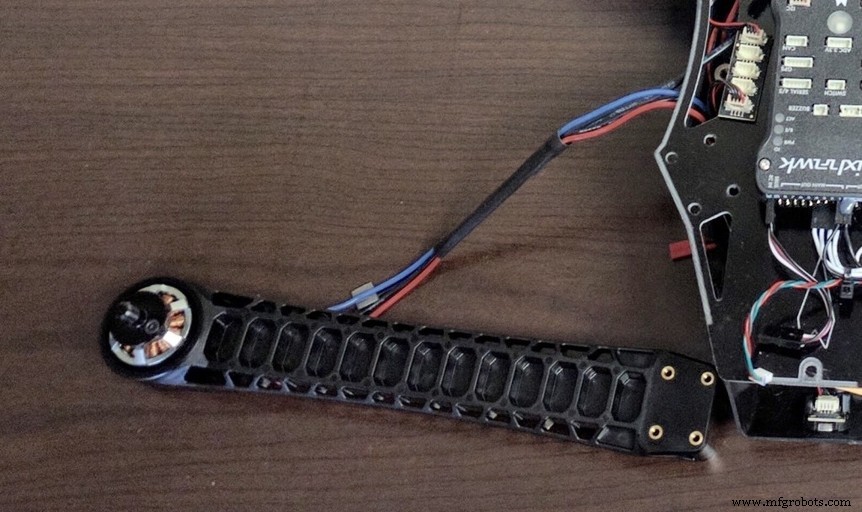
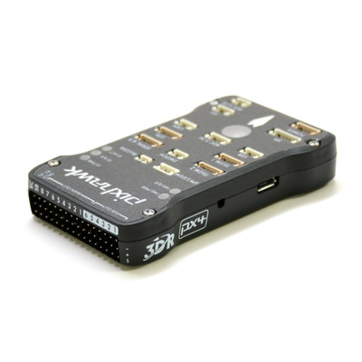
The Iris+ is an excellent platform for aftermarket upgrades, yet its original wiring was not as modular as we need. Early on, I was pleased to find that all connections to the Pixhawk flight controller were fully connectorized and easily removable. However, the electronic speed controller (ESC) and main power distribution board were different.
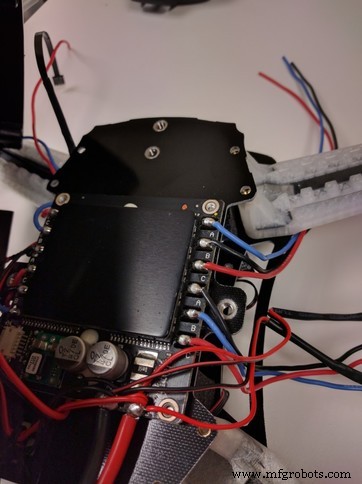
In the stock design, each brushless motor’s leads are soldered directly to the board after routing through a small hole in the arm. This makes it impossible to detach a motor from the plastic arm without damaging the arm or cutting the leads.
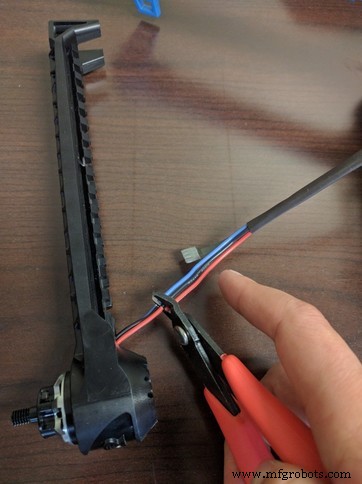
Since the drone was brand new, I chose to cut the motor leads rather than destroy the plastic arms.
To preserve future upgrade flexibility, I fitted miniature 3.5 mm banana plugs to each lead. This allows quick removal and reconnection without re‑soldering.
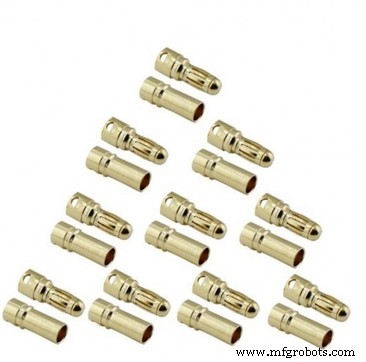
I soldered male connectors to the motor‑side leads and added heat‑shrink tubing to fully insulate exposed conductors.
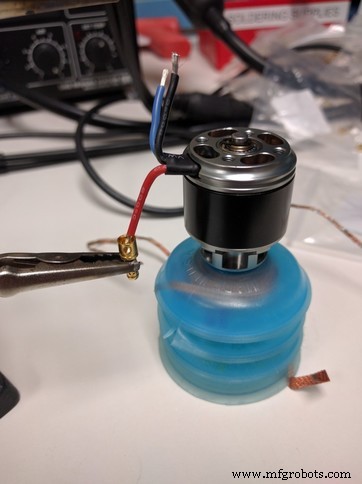
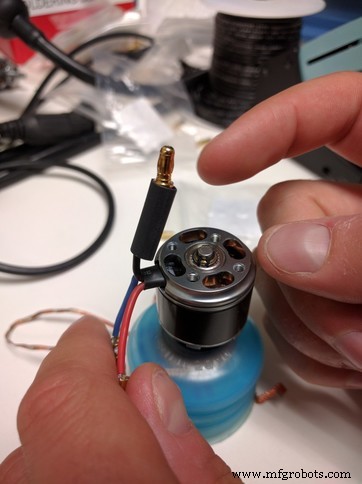
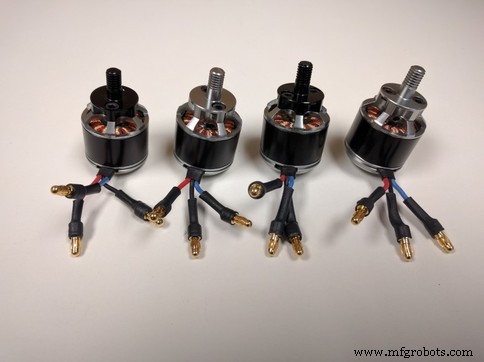
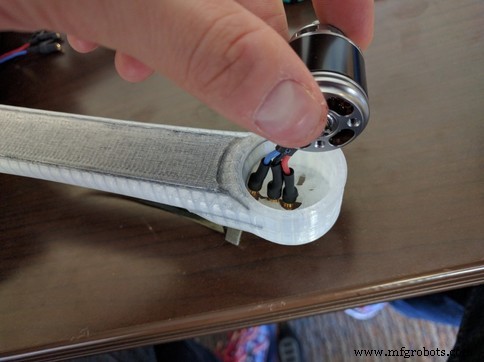
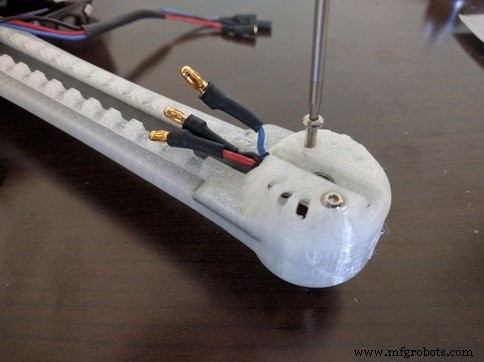
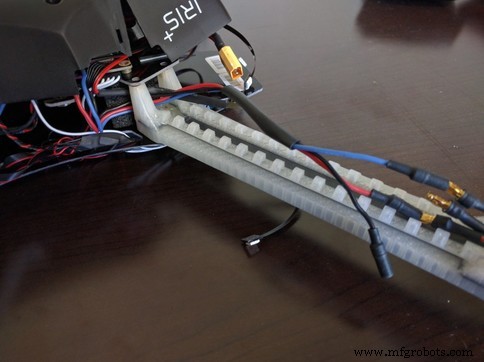
We’re now ready to re‑assemble the Iris+ and prepare it for flight. Stay tuned for the final post, where we finish the build and take the first test flight.
Curious about industrial‑strength 3D printing? Download a free sample of parts printed on the Mark II today!
3D printing
- Carbon Fiber: Composition, Manufacturing, and Future Applications
- Carbon Fiber Explained: Strength, Production, and Industry Applications
- Top 3 Manufacturing Applications of Carbon Fiber 3D Printing
- Carbon‑Fiber 3D Printing: From Innovation to Everyday Production
- Is Carbon Fiber Conductive? Understanding Its Electrical and Thermal Properties
- Carbon‑Fiber Hacksaw: A Lightweight Tool Printed on the Markforged Mark Two
- Mastering Isotropic Fiber 3D Printing: Build Ultra‑Strong Parts with the Mark Two
- Markforged Elevates Drone Performance with Carbon‑Fiber 3D Printed Parts – Part 1
- Fiberglass vs. Carbon Fiber: Choosing the Right Reinforcement for 3D Printing
- 3D Printing Explained: Part 1 – From Raw Materials to Modern Innovations