



Carbon Fiber: 3 Key Properties That Drive Innovation
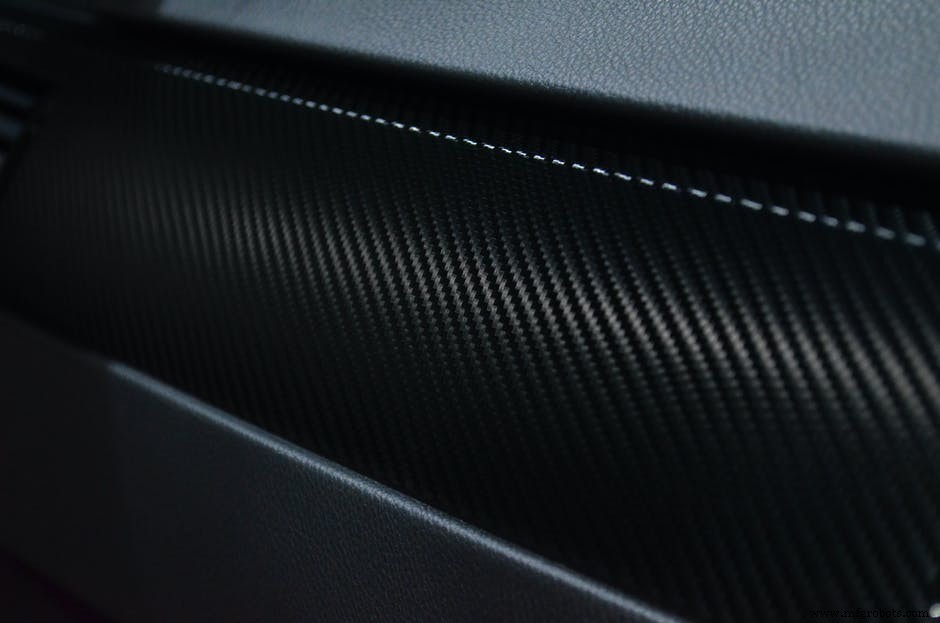
Carbon fiber, first developed in 1958, has reshaped industries from high‑performance sports equipment to aerospace engineering. Its combination of unmatched strength and low weight makes it indispensable in modern manufacturing.
Below, we outline three core attributes that explain why carbon fiber continues to drive innovation across sectors.
1. Exceptional Strength‑to‑Weight Ratio
In engineering, achieving maximum performance while minimizing mass is paramount. Carbon fiber delivers both: it is among the strongest fibers known, yet its density is only about one‑third that of aluminum and far lighter than steel. This allows designers to create lighter, more efficient products without sacrificing durability.
Because its fibers are aligned in a single direction, the material is strongest along that axis. This anisotropic behavior can be exploited by tailoring weave patterns to meet specific load requirements, which is why many manufacturers use custom lay‑ups to optimize performance.
With ongoing cost reductions driven by advances in manufacturing, carbon fiber is becoming increasingly accessible to a wider range of applications.
2. Environmental Impact – A Mixed Picture
Carbon fiber’s production emits fewer greenhouse gases than many traditional metals, positioning it as a greener alternative in many high‑performance contexts. However, its composite structure poses recycling challenges. Unlike metals, carbon fiber cannot be melted and remolded; instead, it must be chemically or mechanically broken down and re‑wove, a process that is still under development.
Researchers are actively exploring “green” recycling methods that could close the loop, potentially turning waste carbon fiber into new composites or other useful materials. As these technologies mature, the material’s environmental profile could improve even further.
3. Superior Rigidity
Rigidity, or stiffness, refers to a material’s resistance to deformation under load. Carbon fiber’s high modulus of elasticity means it resists bending and buckling, which is critical for structural components in aircraft, race cars, and sporting goods.
When combined with its strength, carbon fiber offers a powerful package: it can withstand high forces while remaining lightweight and highly stable.
Additional Advantages
Beyond the points above, carbon fiber also offers excellent fatigue resistance, corrosion resistance, and the ability to be molded into complex shapes. These characteristics make it a versatile choice for a broad spectrum of industries.
For deeper insights into composite manufacturing, explore our resources or contact our experts for product inquiries or tailored solutions.
fiber
- Carbon Fiber: Composition, Manufacturing, and Future Applications
- Top 3 Benefits of Carbon Fiber Watches for Luxury Timepieces
- 4 Proven Ways Carbon Fiber Fabric Transforms Modern Medicine
- Unidirectional Carbon Fiber: The Strength, Lightness, and Cost‑Savings Advantage for Modern Manufacturing
- 5 Unexpected Carbon Fiber Innovations Reshaping Modern Life
- Carbon Fiber Weaves: Types, Properties & Industrial Applications
- Carbon Fiber Explained: Strength, Production, and Industry Applications
- Is Carbon Fiber Recyclable? A Guide to Sustainable Recycling & Repair
- Is Carbon Fiber Conductive? Understanding Its Electrical and Thermal Properties
- Fiberglass vs. Carbon Fiber: Choosing the Right Reinforcement for 3D Printing