



Choosing the Right Indigo Vat Size for Studio Dyeing: Why 50‑Liter Vats Win
For professional studio dyeing, the size of your indigo vat can make a significant difference in both the quality of the finish and the efficiency of your workflow. After years of experimenting with a variety of vat capacities, I’ve found that a 50‑liter (15‑gallon) vat consistently delivers the best results for full‑scale projects.
The 50‑Liter Advantage
A 50‑liter vat offers a tall, narrow profile that reduces surface area while providing ample depth. This shape is ideal for:
- Immersion dyeing of large textiles, skeins of yarn, and even full garments
- Maintaining a stable dye bath temperature for fermentation processes
- Minimising the impact of sludge at the bottom of the vat
In contrast, the traditional 5‑gallon (18‑liter) bucket—while convenient for workshops—often leaves less than one‑third of the depth available for dyeing once sludge accumulates.
Managing Sludge and Dye Quality
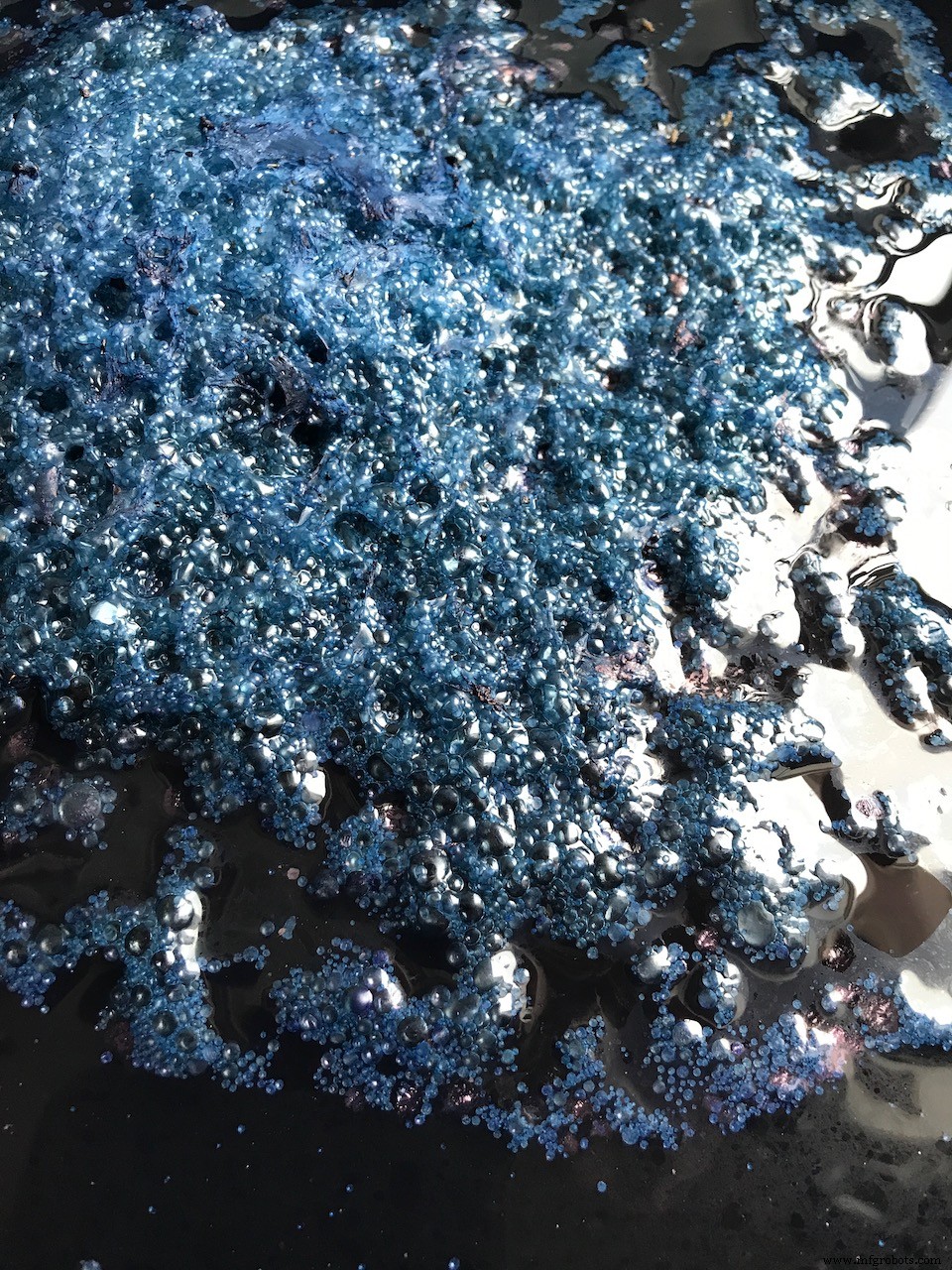
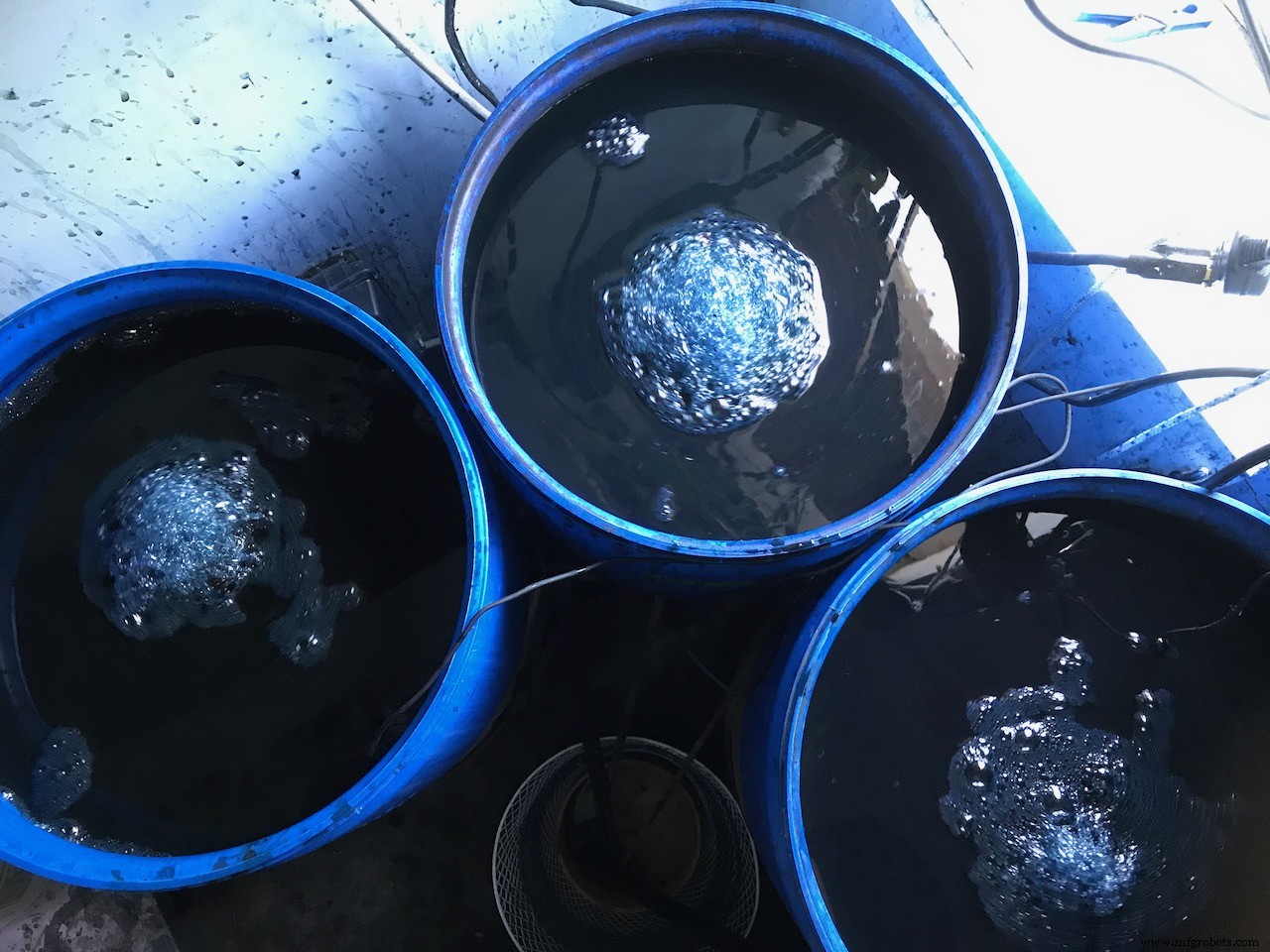
Natural indigo vats inevitably develop a layer of sludge composed of plant residue and lime. With a small vat, the sludge can occupy a significant portion of the bath, forcing textiles to dip into concentrated chemicals and compromising the finish. A larger vat keeps this sludge at a lower relative depth, allowing you to keep fabrics suspended above it and ensuring a uniform dyeing experience.
Practical Setup and Accessories
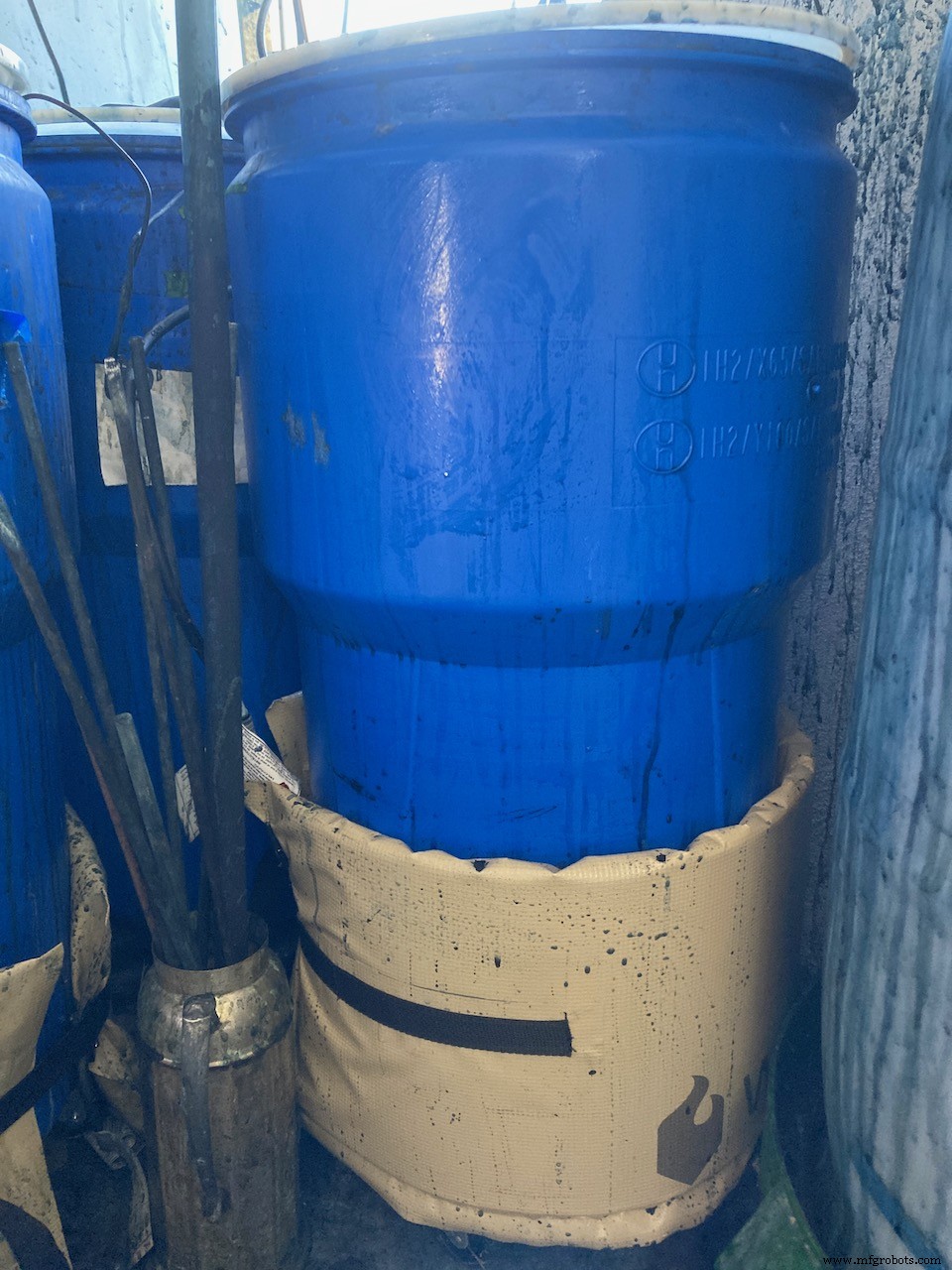
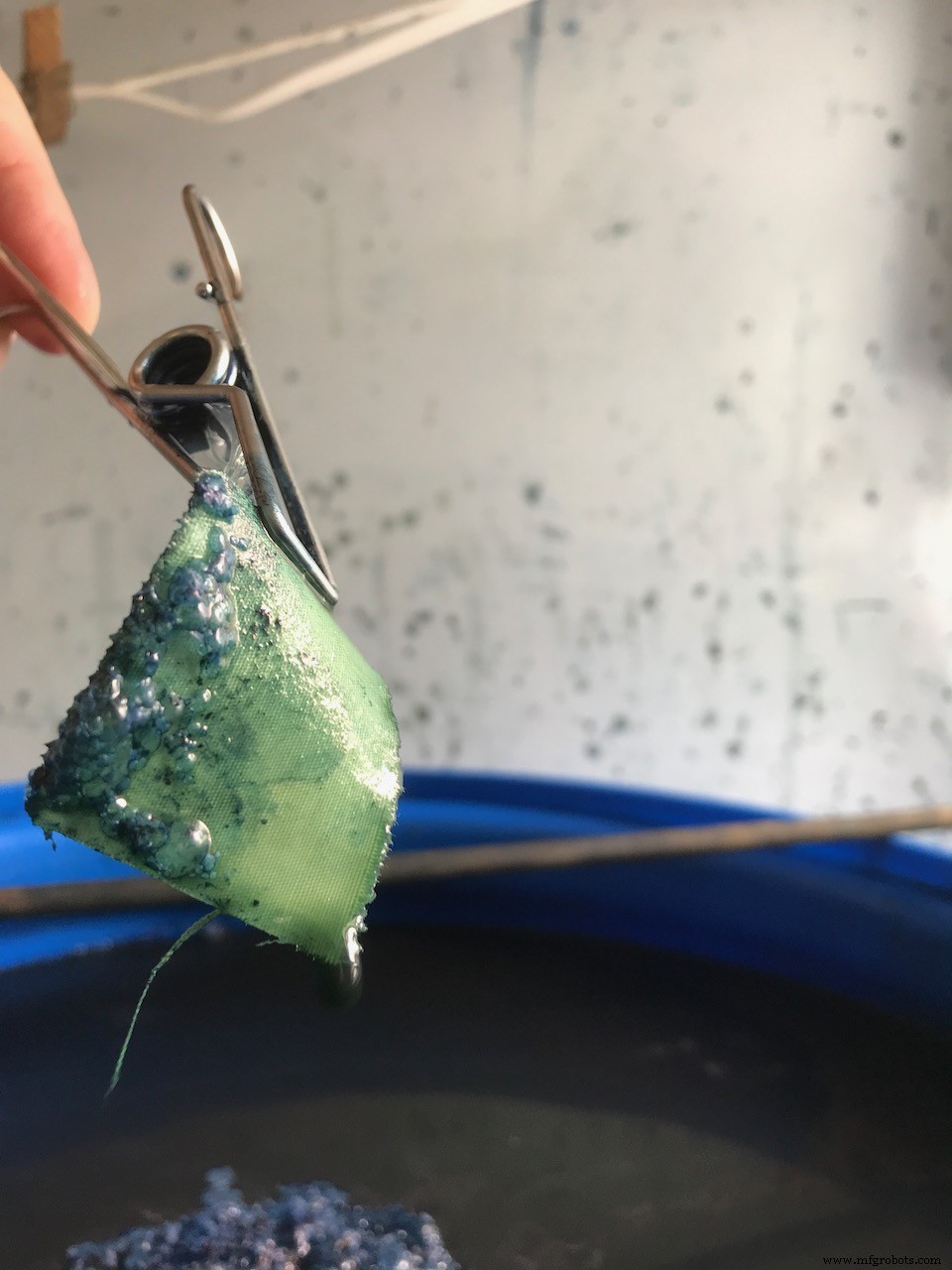
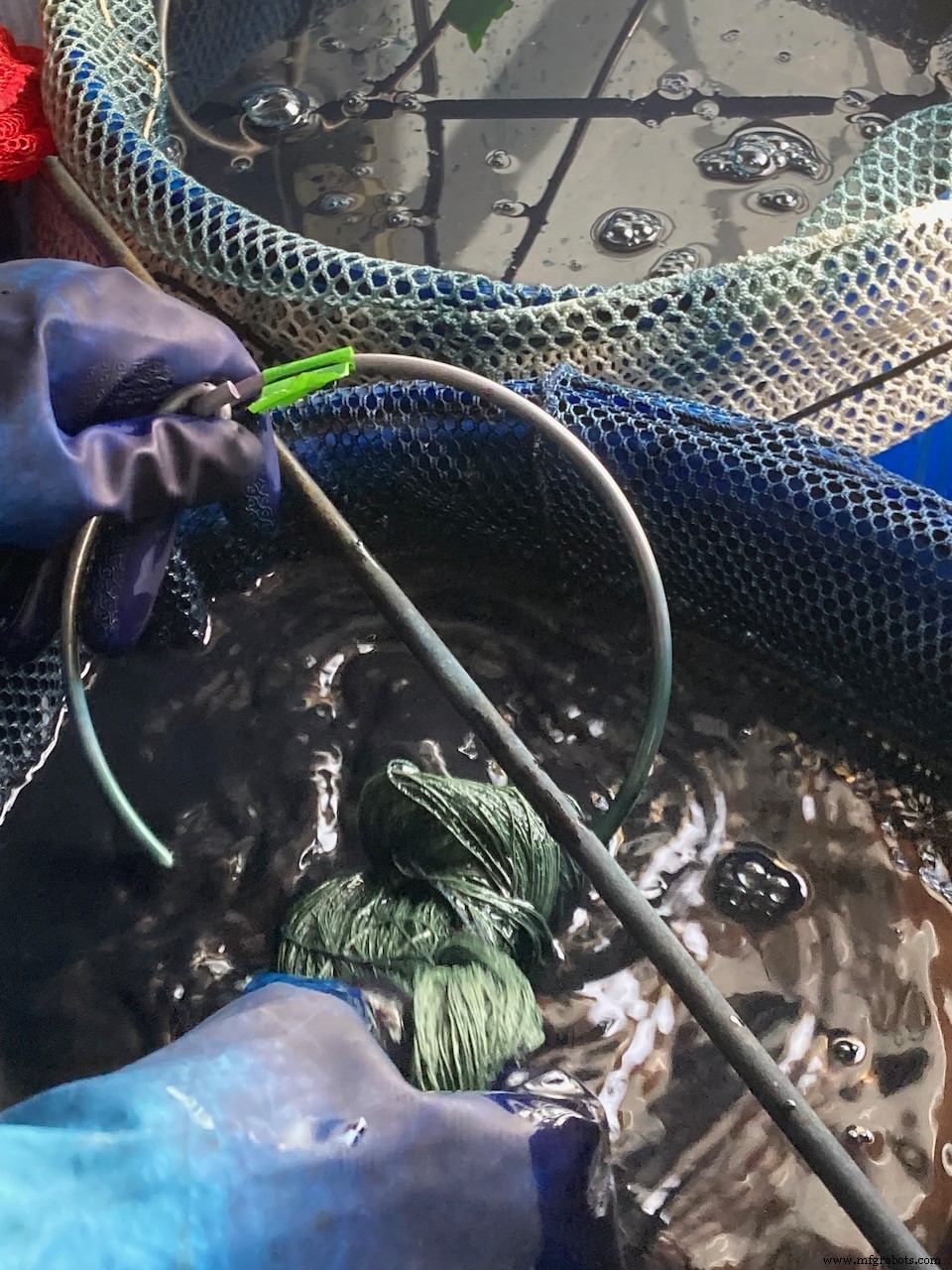
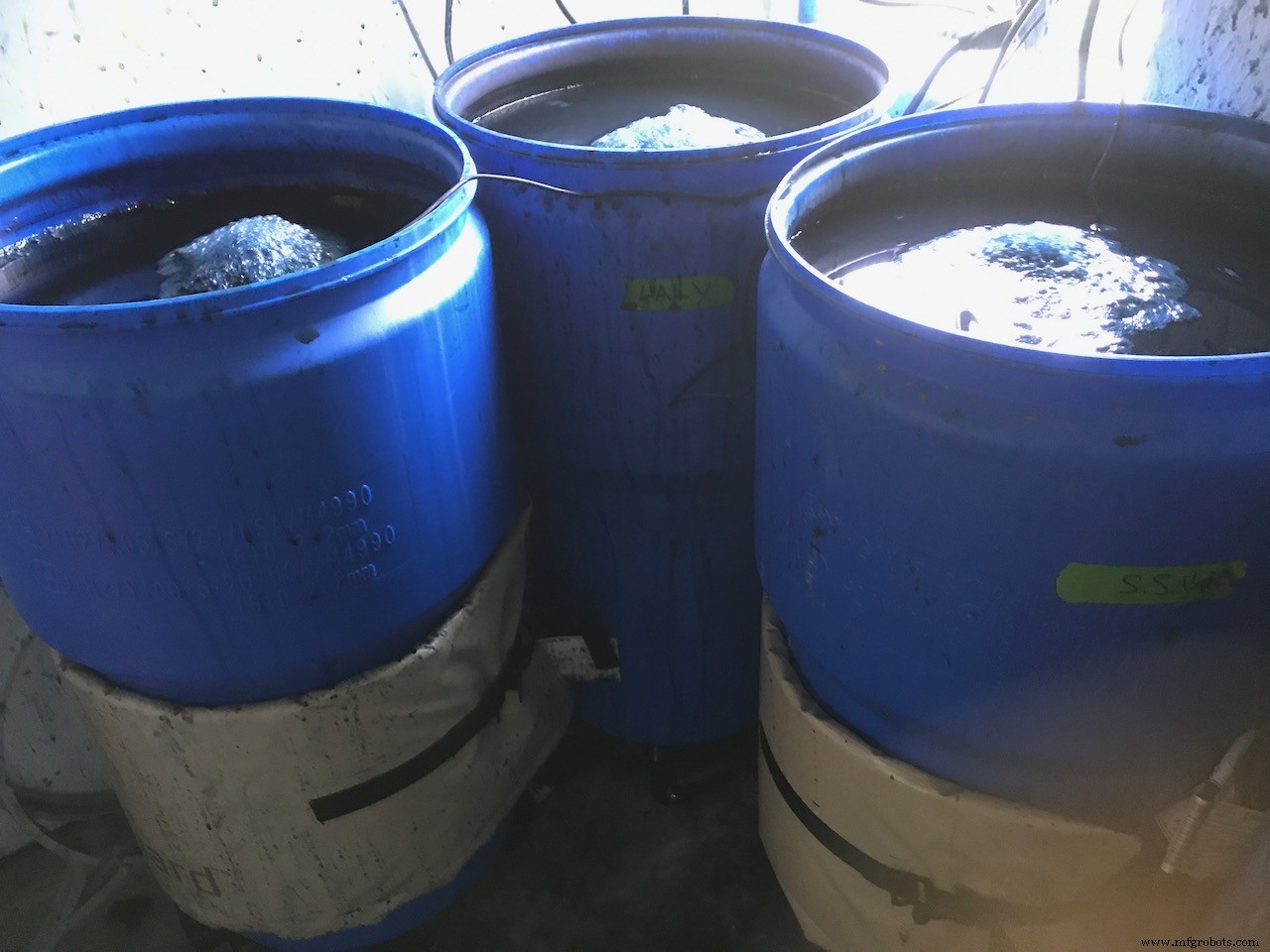
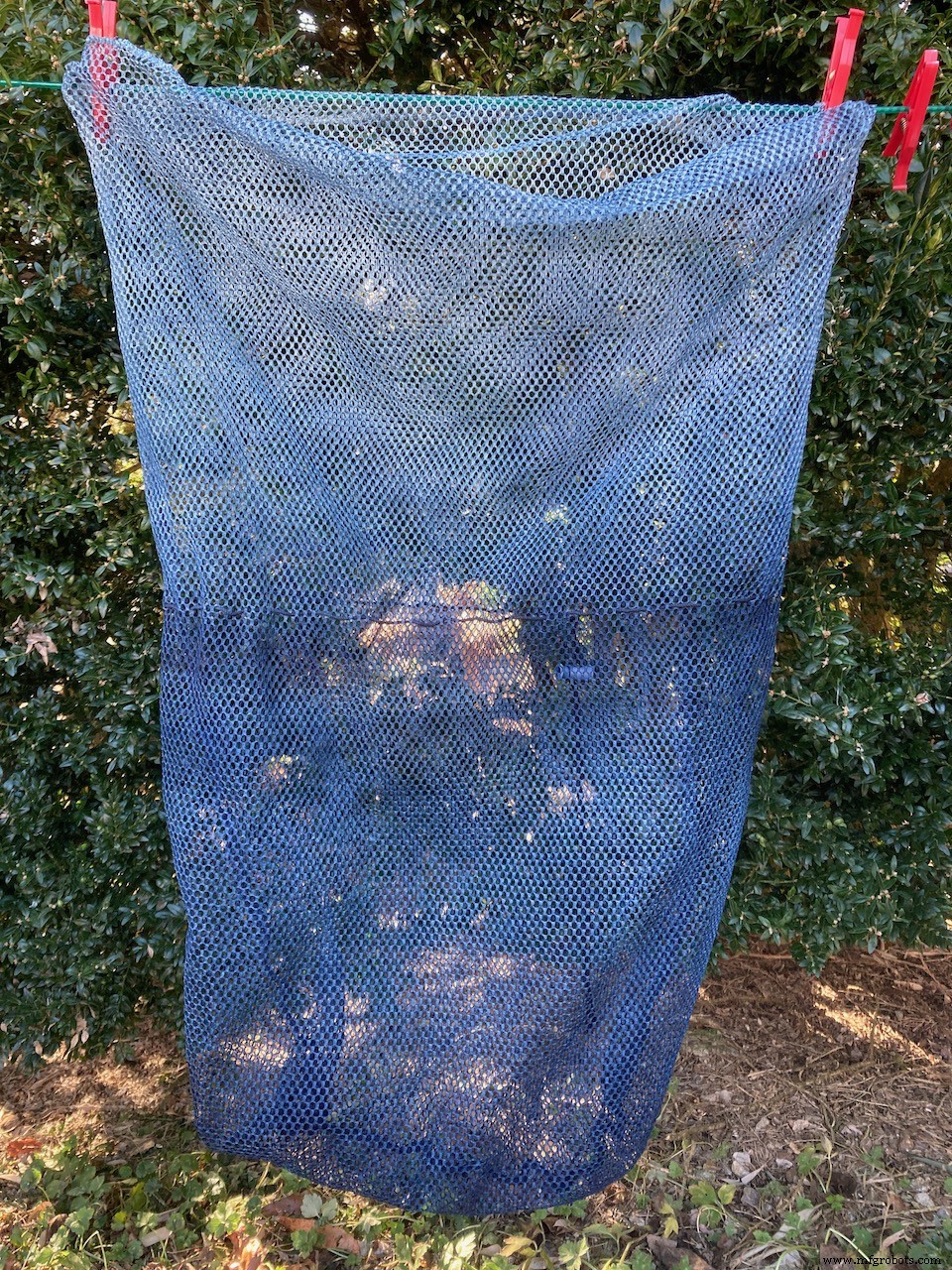
My setup includes a durable, hard‑plastic 50‑liter vessel placed on a wheeled dolly for easy relocation. When working with larger pieces, I suspend samples using stainless‑steel hooks and wooden rods. For larger textiles, a large mesh laundry bag—re‑usable and flexible—provides a clean, contained way to keep fabrics free from sludge and from getting lost at the bottom.
Temperature Control for Fermentation
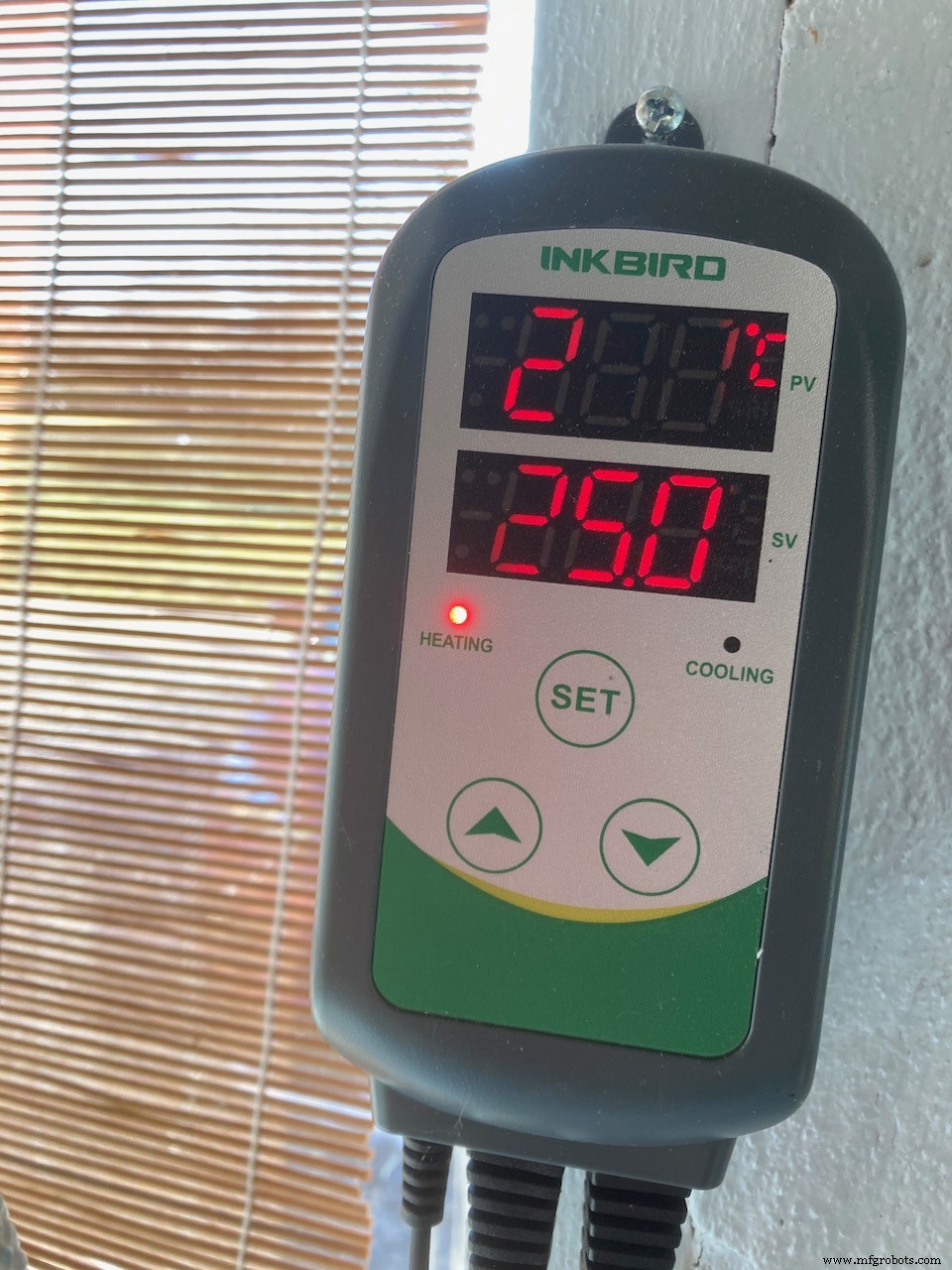
Consistent heat is crucial for fermented vats. I use a band‑type pail warmer connected to a digital temperature controller to maintain a steady temperature, even in an unheated studio. This approach keeps the microbial activity stable and ensures a reliable indigo bath.
Choosing the Right Lye Source
If you’re making wood ash lye for fermentation, source it from hard wood burned in an efficient stove. Hard wood ash provides the most stable pH and reduces the risk of impurities that can affect the dye’s performance.
Final Thoughts
Investing in a 50‑liter vat may seem like a larger commitment, but the payoff in dye quality, consistency, and ease of maintenance is undeniable. Over time, the experience you gain with a larger vat helps you troubleshoot issues and refine your technique, making it a worthwhile investment for any serious studio dyer.
Dye
- VAT Polymerization in 3D Printing: How UV Curing Sets It Apart
- Maximize ROI on Your IoT Investments: A Practical Guide
- Mastering Indigo Fermentation: Lessons from a Five‑Year‑Old Vat
- The Critical Sales Element You’re Likely Overlooking
- Unlocking Manufacturing Success: How Industry Mix Shapes State Performance
- Why a Warranty Matters: Protecting Your Manufacturing Equipment
- AC vs. DC Motors: Selecting the Right One for Your Load
- Key Elements Every Engineering Drawing Must Include
- Maximize Value: Strategies for Selling or Repurposing Used Heavy Equipment
- Choosing the Right Lathe Size for Gunsmithing: A Comprehensive Guide