



Dominique Cardon Unveils Workbook, Antoine Janot’s Colours: A Practical Guide to 18th‑Century French Dyeing
Dominique Cardon, the esteemed French natural‑dye researcher and author of the seminal text Natural Dyes: Sources, Tradition, Technology and Science, has just released a pivotal new resource for contemporary dyers: the bilingual workbook Antoine Janot’s Colours.
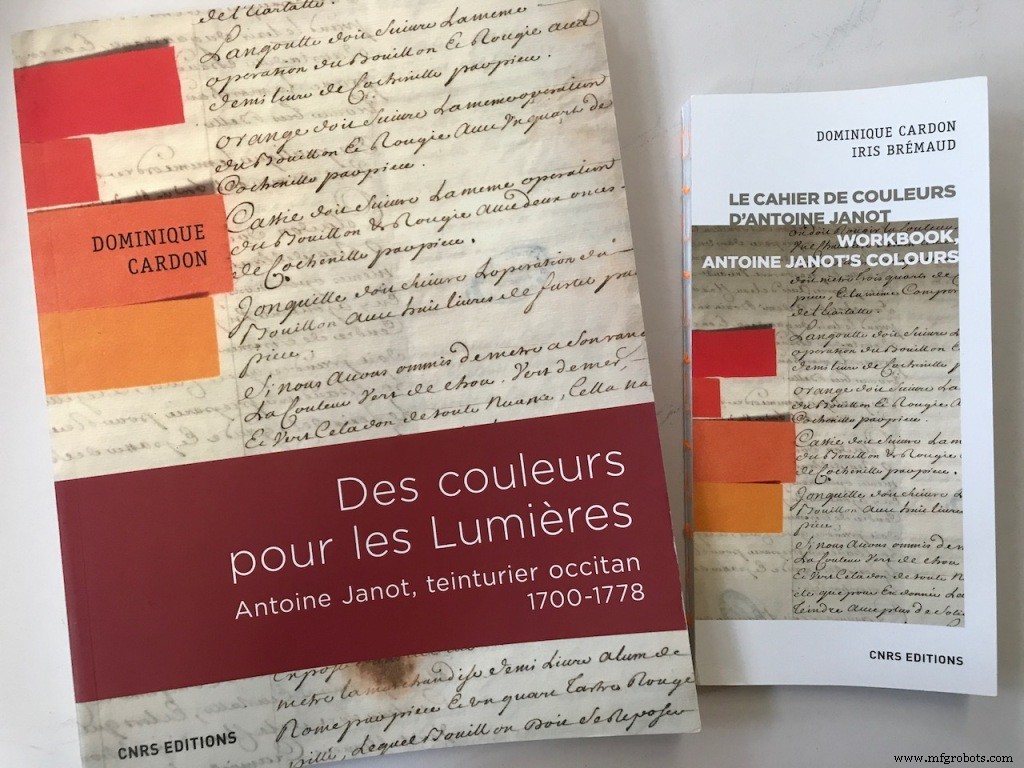
For years Cardon has been translating and publishing the works of 18th‑century French dyers. The 1700s marked the classical era of wool dyeing in France. Last year Cardon published Antoine Janot, Teinturier Occitan 1700‑1778—a French edition based on Janot’s original dye notebooks from the Occitan region—but it was not yet available in English.
The new workbook, co‑authored with his daughter Iris Brémaud, opens with a concise biography of Janot and an overview of the project. Its greatest value lies in its practical focus. It presents a comprehensive palette of Janot’s hues, complete recipes, and detailed process notes, all rendered in both French and English.
The colors are depicted using actual wool samples from Janot’s notebooks. Cardon employed a color analyzer and the CIELAB system to capture each hue with scientific precision. CIELAB provides an international coordinate system that graphically maps colors in a reproducible way.
The section on mordants and dye baths includes weight percentages of dye materials and other additives. Where appropriate, Cardon explains the rationale behind each adjustment, giving readers deeper insight into the chemistry.
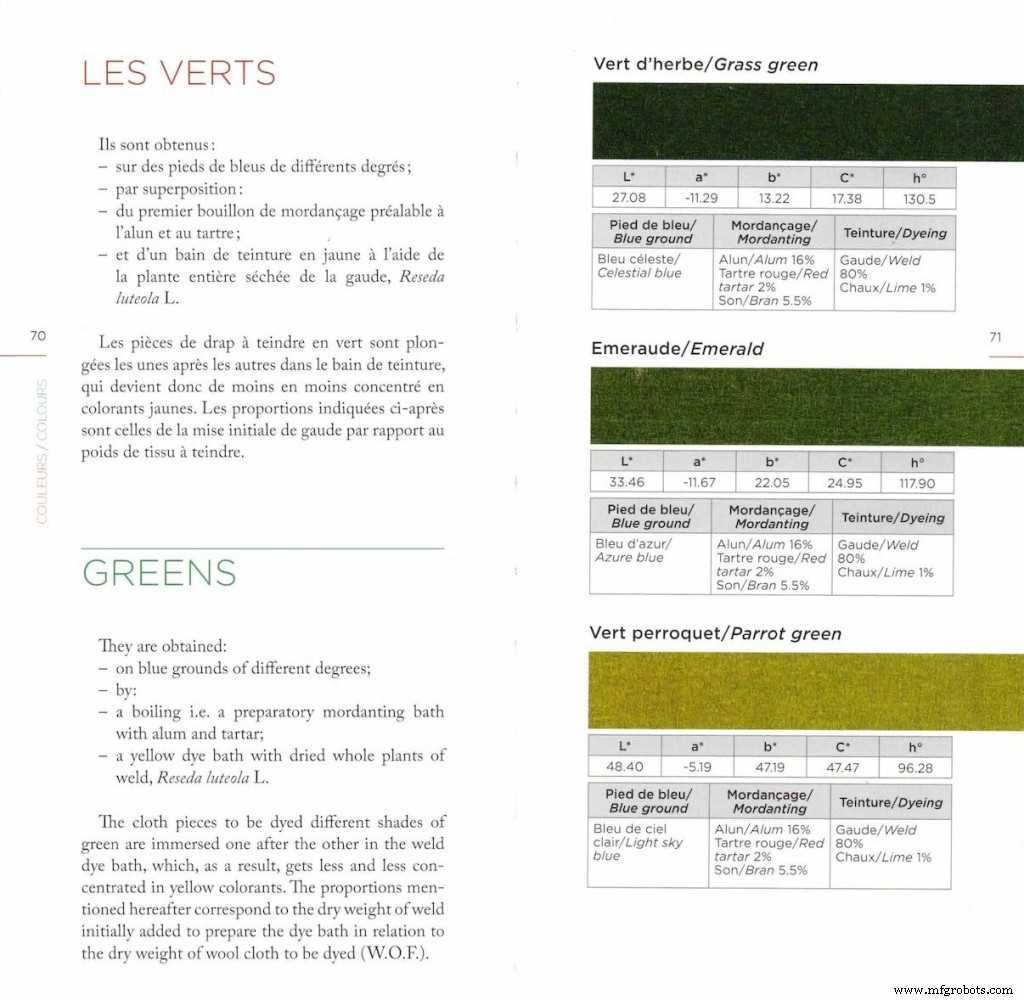
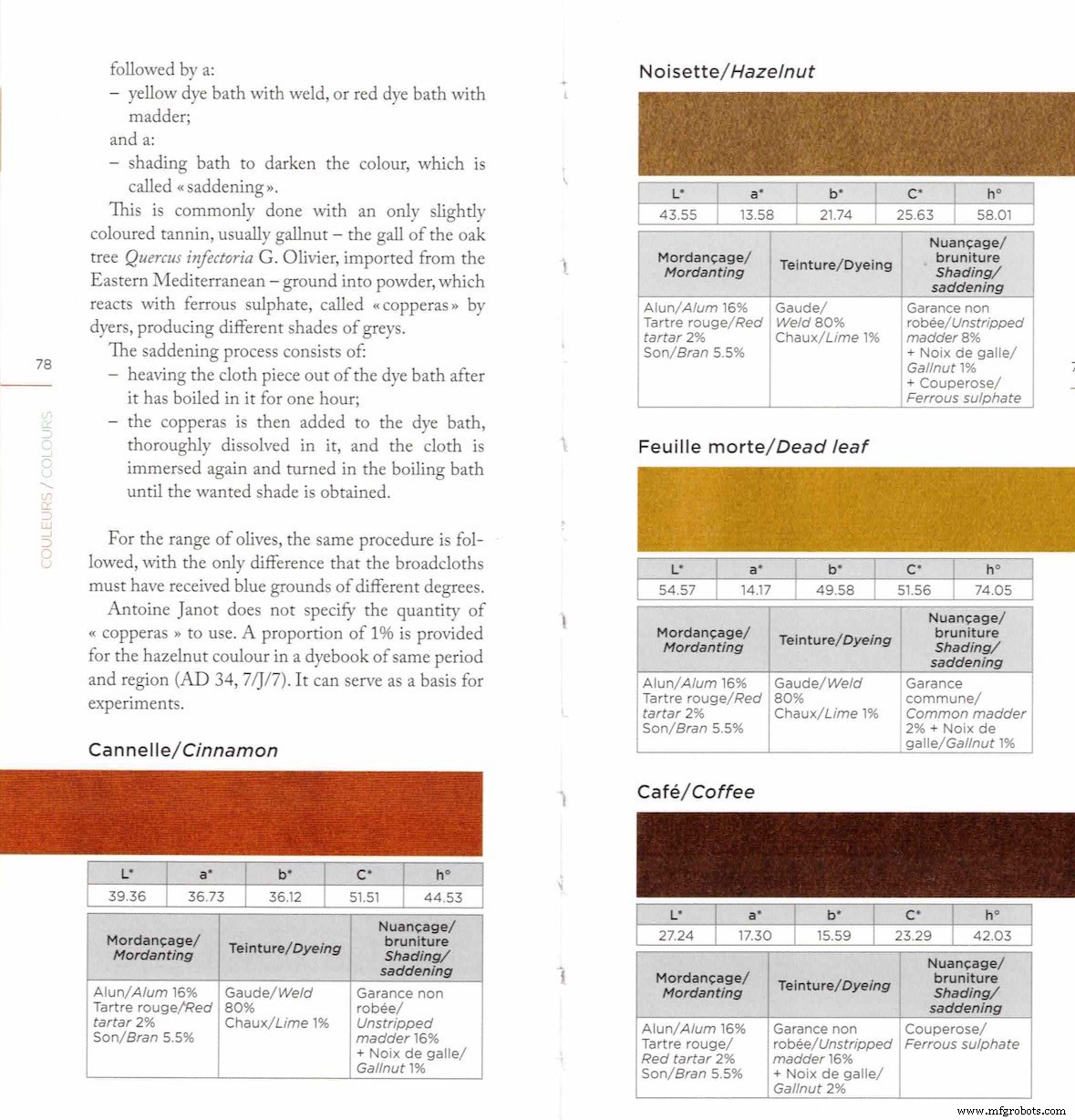
The workbook’s standout feature is its exhaustive gradation of indigo blues—from the palest off‑white blue to the darkest crow’s wing. The CIELAB data allow practitioners to see exact color coordinates, which is invaluable for achieving accurate greens, purples, and greys.
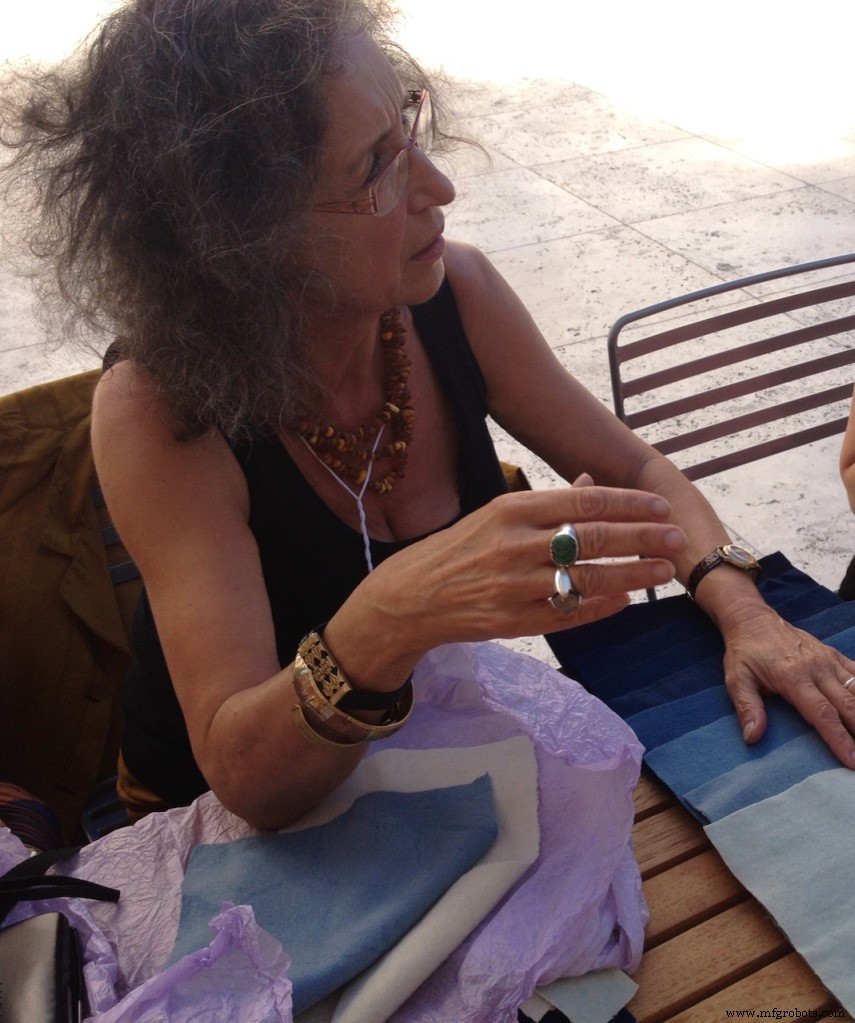
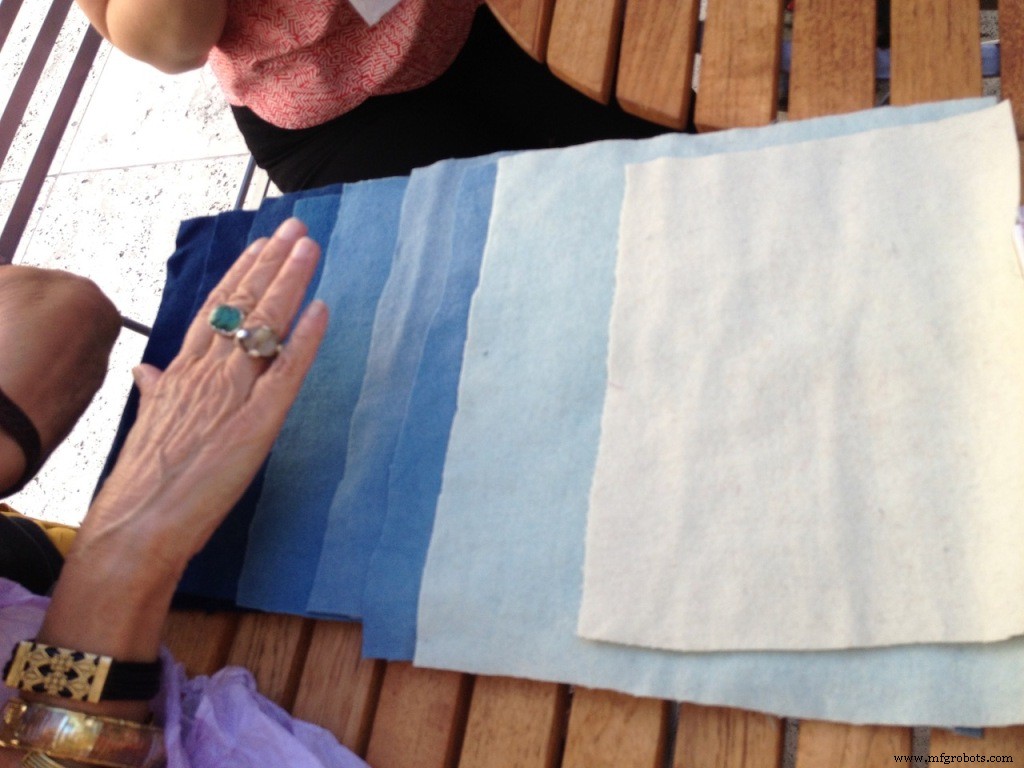
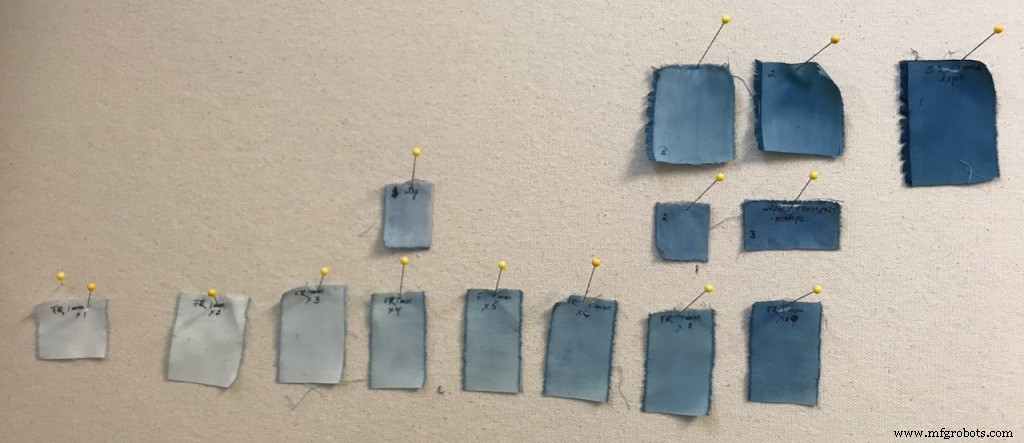
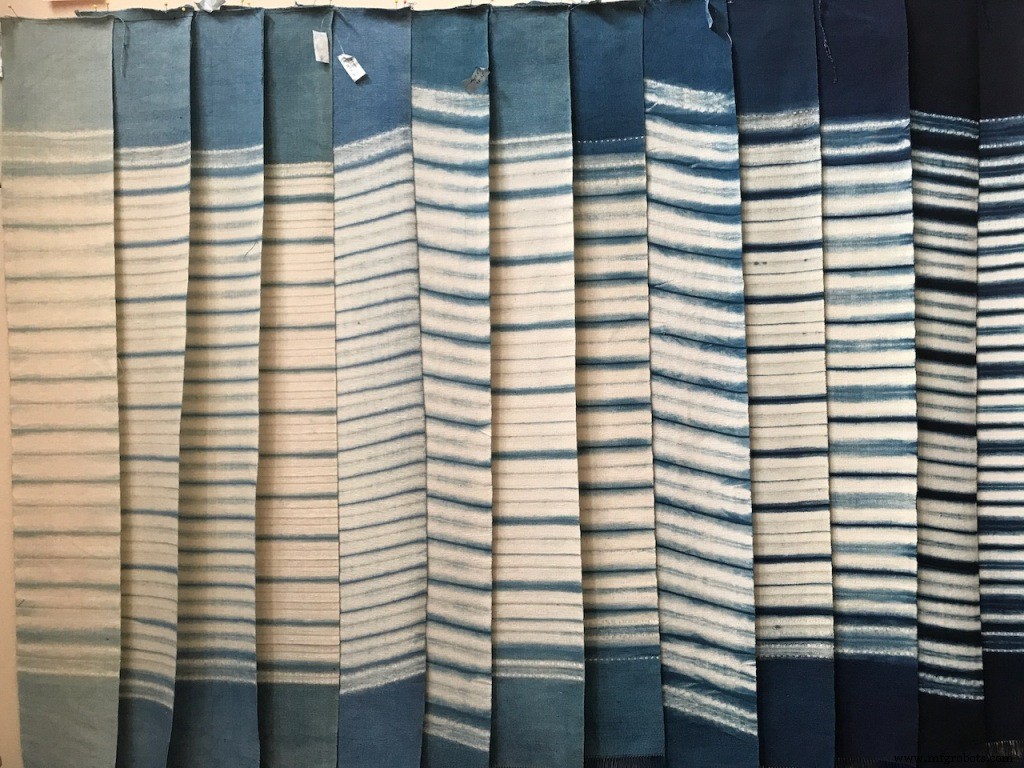
I have recently been doing color replication work for logwood purple using a combination of indigo and cochineal. A systematic approach to dyeing the initial indigo blues is a huge help in approaching this kind of color matching.
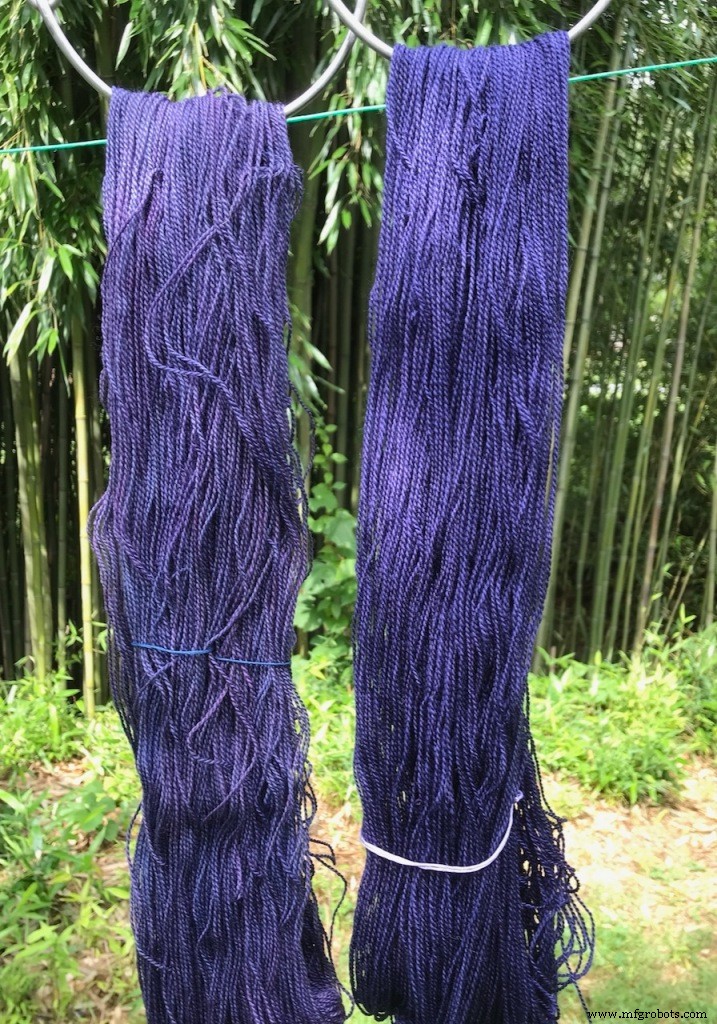
It is rare to be able to gain such a deep insight into a professional dyer’s process and results. Historical color descriptions, such as wine soup, celadon green, and crimson become more than just words on a page when colors are able to be seen accurately with the eye.
For dyers looking for a deeper insight into the world of professional natural dye, this book is a treasure.
I ordered my copy directly from France and it took several weeks to arrive. According to Charlotte Kwon, the book will also soon be available from Maiwa.
Dye
- Gericke Unveils Comprehensive New Brochure on Bulk Material Feeding & Dosing Solutions
- Lean Machines for World-Class Manufacturing and Maintenance: A Practical Guide to Equipment Excellence
- New Book: The OEE Primer – Mastering Equipment Effectiveness, Reliability & Maintainability
- Stratasys Unveils Revolutionary FDM Innovations: Infinite-Build and Robotic Composite Demonstrators
- Stratasys Launches SAF™: Revolutionizing Powder Bed Fusion with High‑Speed Production
- Retaining Humanity in the Age of Disruptive Technology
- Innovative Device Harvests Static Electricity from Falling Snow for Renewable Power
- Simple Motor‑to‑Generator Conversion: Turning a Toy Motor into a LED Power Source
- Season’s Greetings from Creative Hi-Tech – Joyful Holidays & New Year Wishes
- Universal Robots Launches the E-Series: Advanced, User‑Friendly Industrial Robots