



How Rack and Pinion Presses Operate: A Practical Guide
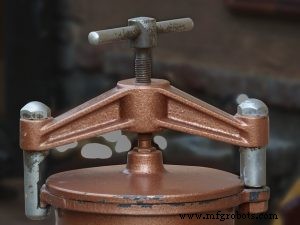
Pressing is one of the most fundamental manufacturing techniques, used to shape, deform, or stamp metal and other materials. While hydraulic and pneumatic presses dominate large‑scale production, the rack and pinion press remains a trusted choice for small‑batch work and precision tasks.
Overview of Rack and Pinion Presses
A rack and pinion press is a fully manual tool that leverages a classic gear system to convert rotational motion into linear force. The operator pulls a lever that drives a circular pinion gear, which meshes with a linear rack. This simple yet effective arrangement delivers a predictable, evenly distributed load across the workpiece.
How Rack and Pinion Presses Work
When the lever is depressed, the pinion gear rotates. Because the pinion engages the teeth of the rack, this rotation translates into a straight‑line motion that pushes the workpiece down. The design ensures that the force applied is consistent across the entire surface, eliminating the risk of uneven deformation that can occur in some other press types.
Benefits of Using a Rack and Pinion Press
1. Manual Operation – No need for electrical or gas connections, making the press ideal for workshop or on‑site use. 2. Consistent Pressure – The gear ratio guarantees a uniform force, ensuring high‑quality finishes. 3. Precision Control – The lever allows the operator to finely tune the depth and force of each stroke. 4. Versatility – Suitable for forging, bending, embossing, and other sheet‑metal tasks in both prototyping and small‑run production.
In Conclusion
Rack and pinion presses combine simplicity with reliable performance. Their manual lever system, powered by a classic rack‑and‑pinion mechanism, delivers even pressure and precise control—qualities that make them a go‑to solution for many metal‑forming applications.
Industrial equipment
- What Is a Toggle Press? How It Works and Why It Matters
- Compression Molding: Process, Benefits, and Applications for Rubber Parts
- Demagnetizers Explained: How They Add or Remove Magnetism from Tools
- Abrasive Jet Machining: How It Works, Benefits, and Practical Applications
- Understanding Gate Hinges: Types, Functions, and How to Choose the Right One
- Transfer Molding Explained: Process, Benefits, and Variants
- Understanding Vehicle Transmissions: Types, Functions, and How They Operate
- Understanding Industrial Clutches: Definition, Function, and Applications
- Understanding Modern Press Brakes: How They Operate and Shape Metal
- Understanding Hydraulic Presses: How They Work and Why They're Essential