



Sustainable Dyeing Innovations: Advancing Eco‑Friendly Textile Practices
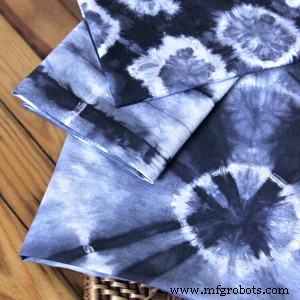
Over the past decades, the textile sector has grown into a cornerstone of many emerging economies. While dyes account for a modest share of overall output, they remain a pivotal element of textile manufacturing. India, for instance, is the world’s leading producer of reactive dyes, underscoring the sector’s scale and technical sophistication.
Today, environmental stewardship and water conservation are no longer optional—they are the bedrock of responsible textile production. Industry leaders invest heavily in research and development to create dyes that satisfy stringent voluntary, legal, and brand‑specific safety lists. This commitment has raised the benchmark for quality across vat dyes, basic dyes, and other classes, pushing designers and manufacturers toward formulations free of heavy metals and halogens.
Innovation is accelerating. Advanced manufacturing techniques—including nano‑ecological dyeing—are emerging to meet these demands. Simultaneously, production processes are becoming more automated and greener.
Water consumption remains a major hurdle, as dye baths can use thousands of litres per tonne of fabric, and the resulting effluent is notoriously difficult to treat. The textile industry is therefore turning to alternative media that drastically reduce water use and energy consumption.
Supercritical CO₂ dyeing is one such breakthrough. By replacing water with liquefied carbon dioxide, this method consumes significantly less water and energy, produces no toxic effluents, and shortens dyeing times. CO₂ is also recyclable and non‑toxic, giving the process a strong green profile that has attracted leading global brands.
AirDye technology takes the concept even further. Using air instead of water, it cuts water use by 95 % and energy consumption by 86 %. The resulting process emits no hazardous waste, offering a versatile platform for single‑ or dual‑sided color application and printing.
Digital textile printing is another frontier gaining momentum. New high‑performance inks now deliver vivid, fast‑wearing colors that comply with the latest industry standards, enabling designers to push creative boundaries without compromising durability.
In the current business climate, companies must deliver premium quality, control costs, and stay competitive—all while meeting consumer demand for sustainable products. Adopting these emerging dyeing technologies is a tangible step toward that future.
Dye
- Expert Guide to JFET Biasing Techniques: Achieve Stable, High‑Performance Circuits
- Expert Guide to Biasing Techniques for IGFETs
- The Complete Guide to Textile Dyes: Types, Applications, and Choosing the Right Manufacturer
- Azoic Dyeing: Unlocking Vibrant, Wash‑Fast Colors for Cotton
- Textile Dyes: Their Environmental Impact & Sustainable Alternatives
- Sustainable Dyeing Innovations: Advancing Eco‑Friendly Textile Practices
- The Art and Science of Dyeing Wool: Techniques, Dyes, and Best Practices
- Air Dyeing: A Sustainable Revolution in Textile Dyeing
- Innovations in Textile Dyeing: Modern Dyes & Their Applications
- Aluminum Sustainability: Why It’s a Greener Choice