



Black Carbon: A Critical Climate Driver and Its Environmental Impacts
Black carbon (BC) is now recognized as the second‑largest anthropogenic driver of climate change, only behind CO₂. Its fine particles absorb sunlight, giving soot its characteristic black hue. BC forms when fossil fuels, biofuels, or biomass combust incompletely—common sources include diesel engines, household stoves, wood fires, and wildfires. While CO₂ reductions are essential for long‑term climate stability, BC’s atmospheric residence time is only a few weeks, meaning that cutting BC emissions delivers an almost immediate cooling benefit, especially in the rapidly warming Arctic. In developing regions, reduced BC also yields significant public‑health gains by lowering fine‑particle pollution.
What Is Black Carbon?
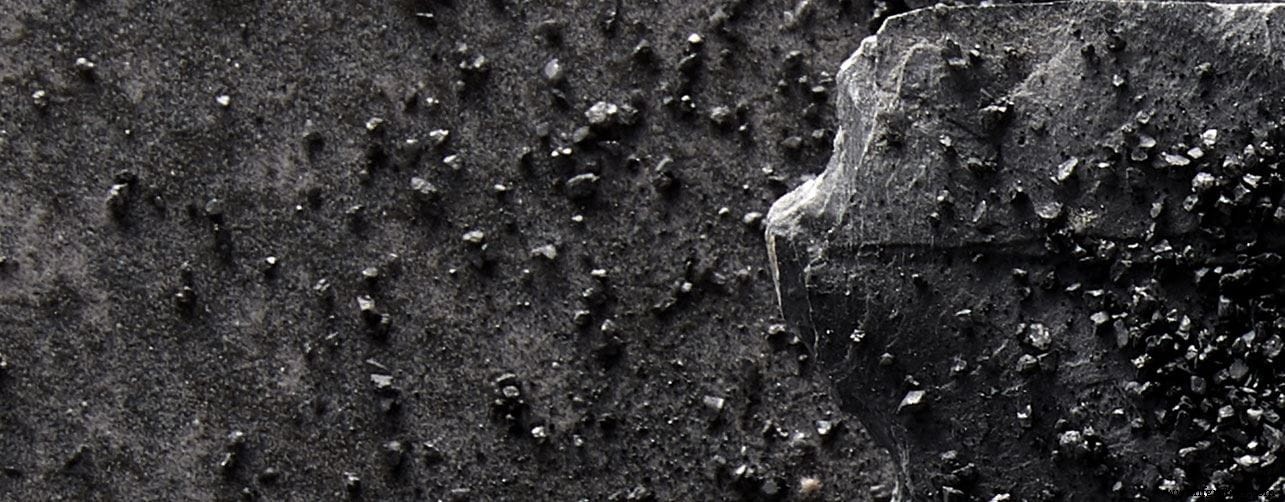
Black carbon is a solid form of carbon produced in controlled industrial processes. The resulting aggregates range from 10 nm to ~500 nm in size and possess a highly porous structure that enhances their light‑absorbing properties. Typically, the material contains >95 % elemental carbon with negligible oxygen, hydrogen, and nitrogen content. In contrast, the BC found in soot is a granular by‑product of incomplete combustion. Estimates place BC emissions as the second‑largest anthropogenic contributor to global warming, rivaling methane.
How Is Black Carbon Produced?
Annually, the global production of industrial carbon black exceeds 10 million tonnes, with the Furnace Black method accounting for >98 % of the output. Other routes—such as the Liquid Carbon Black and Flash Evaporation processes—serve niche applications. The breadth of production techniques reflects BC’s versatility across industries, from rubber reinforcement to high‑performance pigments.
Key Characteristics and Climate Effects
BC has a dual warming effect: it directly absorbs solar radiation and indirectly reduces the albedo of snow and ice, accelerating melt. Its atmospheric lifetime ranges from 4.6 to 7.3 days, making it far shorter than CO₂’s centuries‑long persistence. This rapid turnover means that emissions reductions translate into near‑term temperature relief.
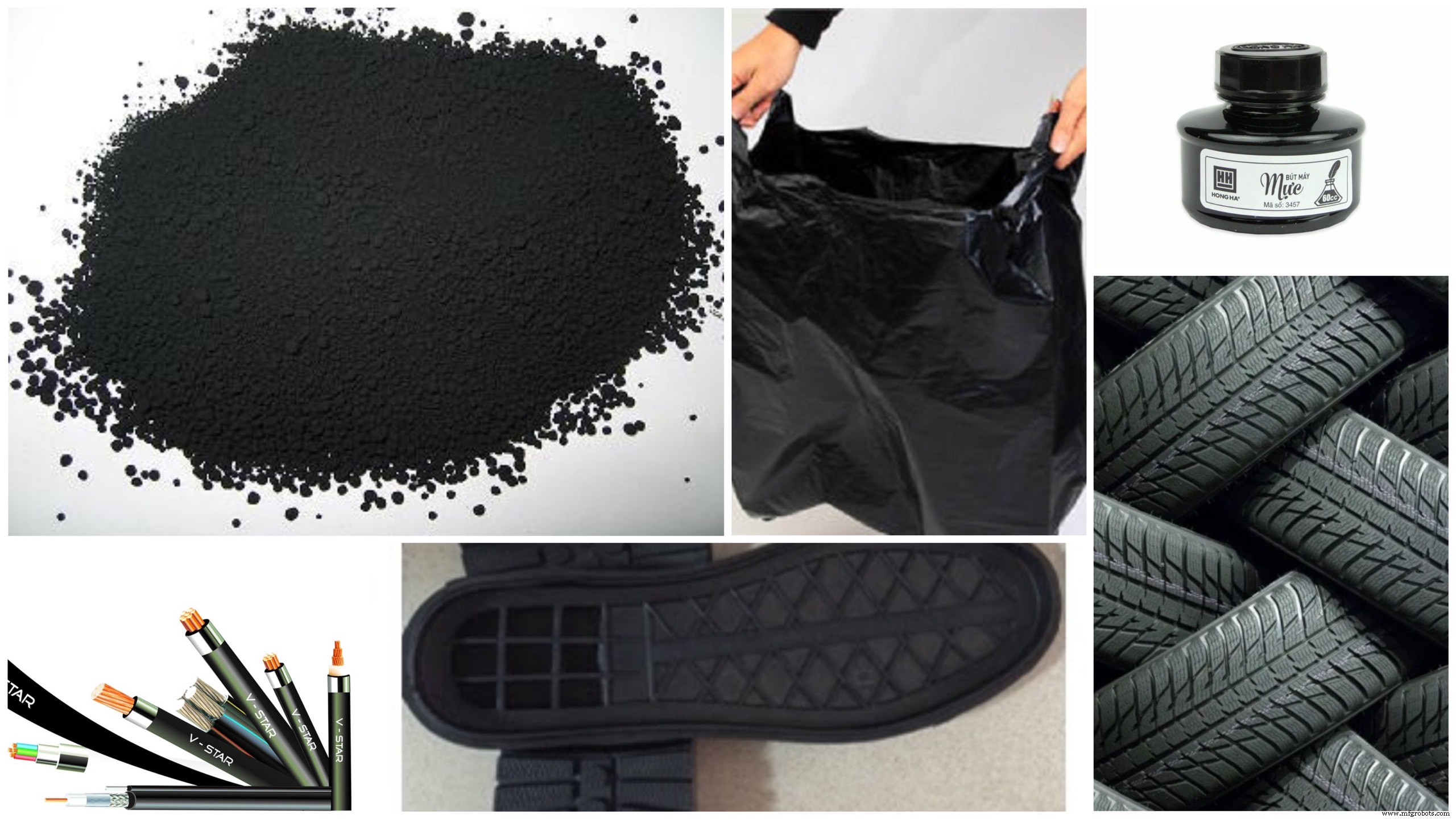
Beyond climate, BC enhances material performance. In rubber, it reinforces elasticity, tear strength, and electrical conductivity—critical for tires, seals, and hoses. In coatings, polymers, and inks, it provides deep black coloration and UV protection.
Industrial Applications
Coating Industry
Finely milled BC delivers the jet‑black finish demanded by automotive paint, achieving high reflectivity and color fidelity.
Polymer Industry
BC’s UV‑absorption converts harmful radiation into heat, protecting polymers such as polypropylene and polyethylene from degradation and extending product life.
Printing Industry
BC not only imparts color but also adjusts ink viscosity for optimal print quality. Ongoing research into specialty BC continues to drive innovations in high‑resolution, eco‑friendly printing.
These applications underscore BC’s value to modern manufacturing while highlighting the urgent need to curb its emissions for climate and health benefits.
Dye
- How 5G Fuels IoT: Current State, Opportunities, and Key Challenges
- Carbon Fiber Rings: Advantages, Disadvantages, and Why They’re a Smart Choice for Modern Jewelry
- Carbon Fiber vs. Fiberglass: A Technical Comparison for Engineers
- The Impact of a Carbon Levy on Shipping Costs: What It Means for the Maritime Industry
- Carbon Steel vs Stainless Steel: Key Differences Every Fabricator Should Know
- How Globalization and Industry 4.0 Are Transforming International Business
- Factory Safety: Reducing Workplace Injuries & Protecting Your Bottom Line
- How Automation Accelerated Manufacturing Resilience Amid COVID-19
- Carbon Fiber Varieties & Production Processes
- How Carbon Shapes Steel: Enhancing Strength and Versatility