



Comprehensive Guide to Calcium Carbonate Applications in Modern Industry
1. What is a Calcium Carbonate Masterbatch?
A calcium carbonate masterbatch is a blend of fine CaCO₃ powder, a base polymer resin, and selected additives. The CaCO₃ core—typically derived from natural sources such as calcite, limestone, chalk, marble, or aragonite—provides a versatile filler that enhances mechanical properties, reduces cost, and improves processability across a wide range of polymer systems.
2. Forms of Calcium Carbonate
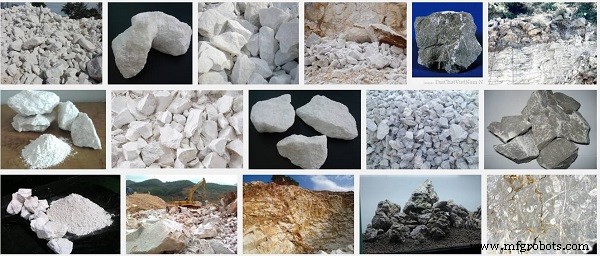
Calcium carbonate exists in multiple mineralogical forms, each with unique particle size, morphology, and purity. Common natural sources include:
- Calcite (most abundant, used in fillers and pigments)
- Limestone (ground into fine powders for industrial use)
- Chalk (soft, high‑purity form)
- Marble (high‑grade, aesthetic applications)
- Aragonite (used in specialty products)
- Dolomite (contains magnesium, used in certain cement blends)
These materials also appear in shells and shellfish, and are responsible for the “hard water” effect in many water systems.
3. Key Applications of CaCO₃
- Cement and Lime Production: Calcium carbonate is a primary raw material, influencing strength, setting time, and durability.
- Plastics: Acts as a high‑volume filler in PVC, uPVC, and other polyolefins, improving stiffness, gloss, and cost efficiency.
- Paper & Construction Films: Increases nucleation sites for micro‑porous structures, essential for diapers, packaging, and protective membranes.
- Ceramics: Serves as a whitening agent and flux in glazes, producing bright, white finishes after firing.
- Adhesives & Sealants: Enhances texture and mechanical performance in both industrial and DIY products.
- Other Industries: Fertilizers, wastewater treatment, food additives, pharmaceuticals, and pH neutralization.
4. Applications in the Plastic Industry
a. Ceiling Panels, Frames, and Plastic Doors
In rigid PVC systems, CaCO₃ improves dimensional stability, reduces shrinkage, and delivers a high‑gloss finish. Its uniform dispersion reduces processing energy and enhances product lifespan.
b. PVC Pipes and Accessories
- Non‑Pressurized Polyolefin Pipes: Adding CaCO₃ increases hardness and shortens cycle times, driving down manufacturing costs.
- Pressure‑Resistant PVC Pipes: Lower filler loadings maintain a smooth, impact‑resistant surface necessary for high‑pressure service.
c. Power Cables
In polyolefin cable jackets, calcium carbonate serves both as a cost‑effective filler and a flame‑retardant component when paired with suitable additives, meeting stringent safety standards.
d. Membranes
Used in the manufacture of thin films and thick sheets, CaCO₃ enhances chemical resistance and mechanical strength, while lowering production expenses.
e. Breathable Plastic Films
In evaporative films, calcium carbonate contributes to the formation of micro‑pore structures, enabling moisture transmission for hygiene applications such as disposable diapers and medical wipes.
f. Stone Powder as Filler
Stone powder, often sourced from limestone, is a popular filler in adhesives, sealants, and decorative coatings. Ceramic tile adhesives typically contain 70–80% limestone powder, while glazing mastics for stained‑glass installations use the same material to prevent glass adhesion during high‑temperature firing.
Dye
- Tungsten Crucibles: Features, Manufacturing Processes, and Key Industrial Applications
- Titanium Valves: Properties, Performance, and Key Applications
- Zirconium Dioxide (Zirconia): Key Properties & Industrial Applications
- Molybdenum and Its Alloys: Key Applications in Material Processing
- Phthalocyanine Pigments: Applications, Industries, and Why Quality Matters
- Applications of Basic Dyes Across Industries
- Pigment Blue: Key Applications, Benefits, and Why Industry Leaders Rely on Trusted Manufacturers
- Calcium Carbonate Masterbatch: Composition, Types, and Key Applications in Polymer Processing
- Spherical Gold–Cockle Shell Calcium Carbonate Nanoparticles: Fabrication, Characterization, and Cytotoxicity for Biomedical Use
- Top 7 Industrial IoT Applications Powering Market Growth